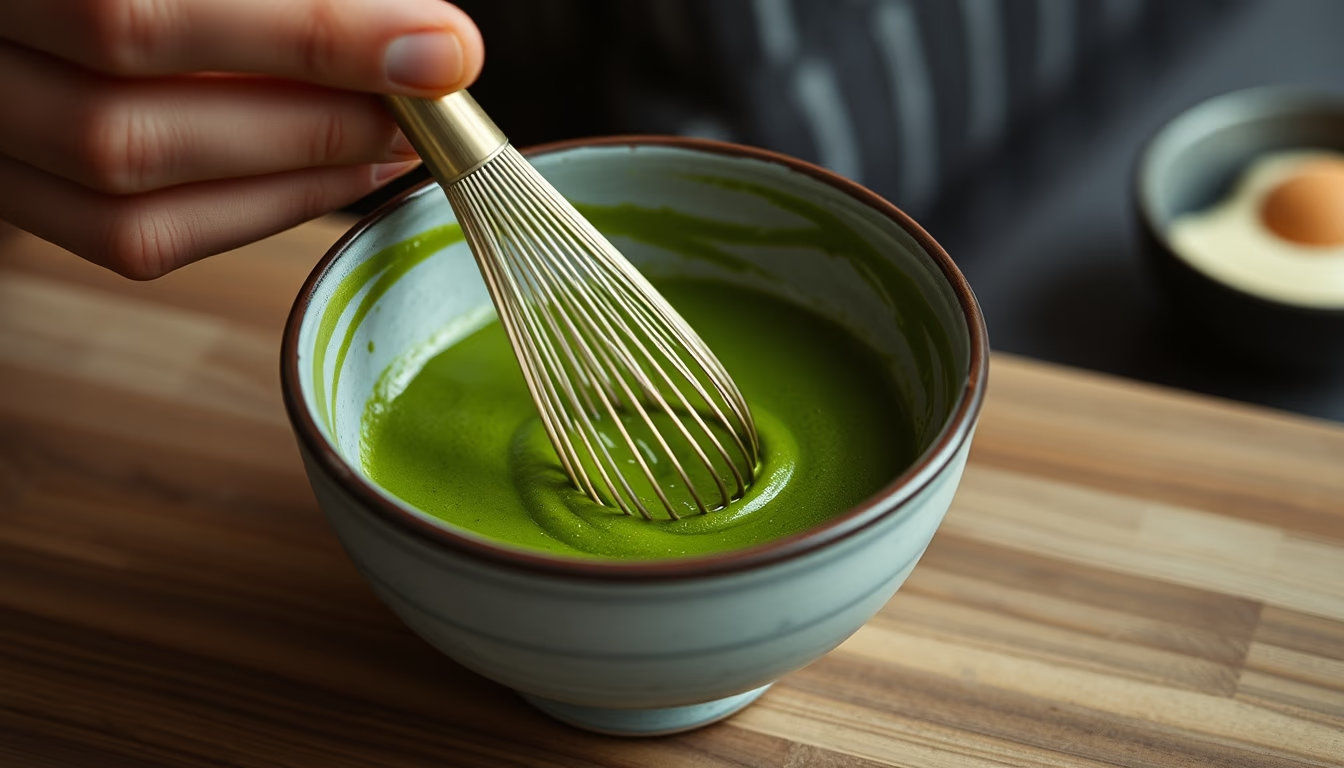
Matcha bowl whisk green
1344×768 · AVIF · CC BY 4.0
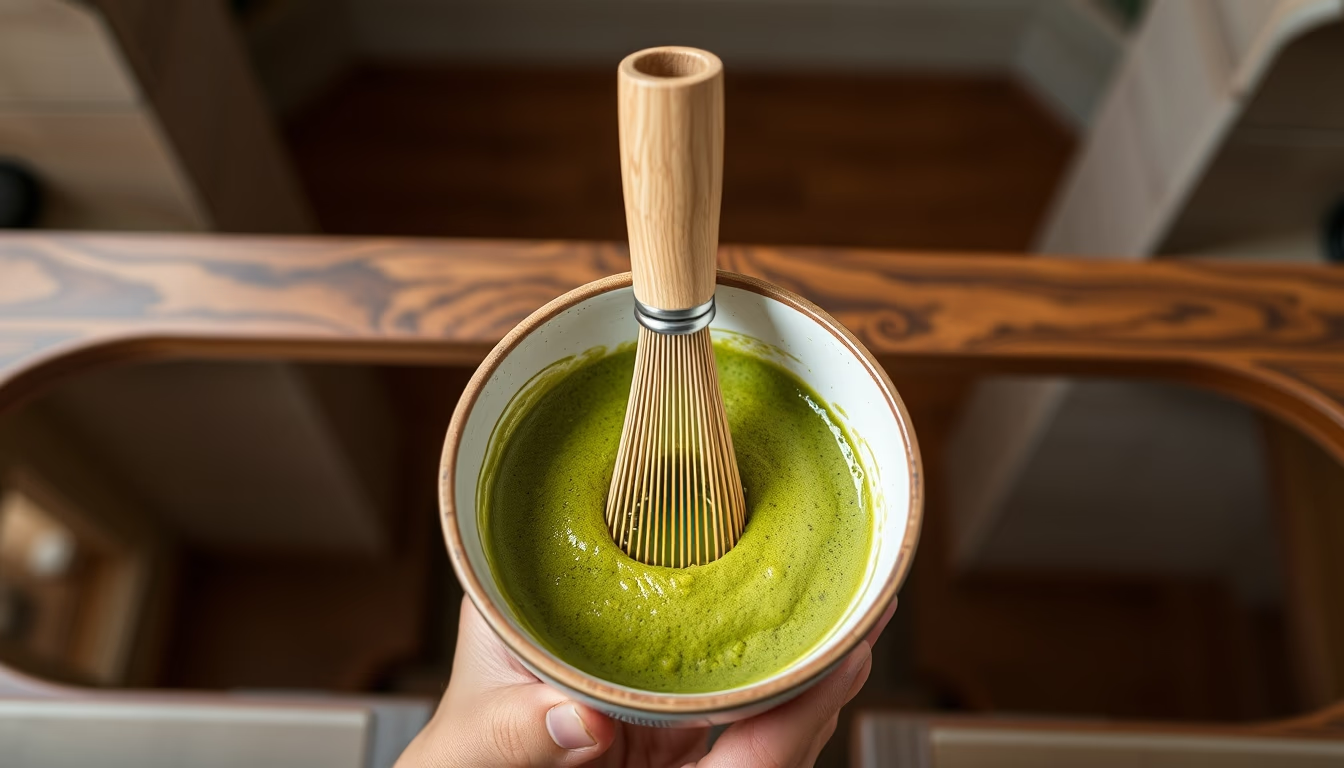
Discover the chawan and chasen, essential utensils in the Japanese tea ceremony, blending aesthetics and functionality in matcha preparation.
About this subject
Matcha, a finely ground green tea powder, is the centerpiece of the Japanese tea ceremony (chanoyu). Two utensils are essential for its preparation: the chawan, a ceramic bowl, and the chasen, a bamboo whisk. The bowl is more than a container; its shape, size, and texture influence the sensory experience, and antique pieces are treasured as art. Handcrafted by specialized potters, bowls range from simple and rustic to elaborate and colorful, each with a unique history.
The chasen is carved from a single piece of bamboo, with dozens of fine tines that whisk matcha and hot water into a creamy foam. The technique of whisking, called 'chasen de', requires precision and rhythm. The quality of bamboo and number of tines affect the outcome: whisks with 80 tines are ideal for thick matcha (koicha), while those with 120 are for thin matcha (usucha).
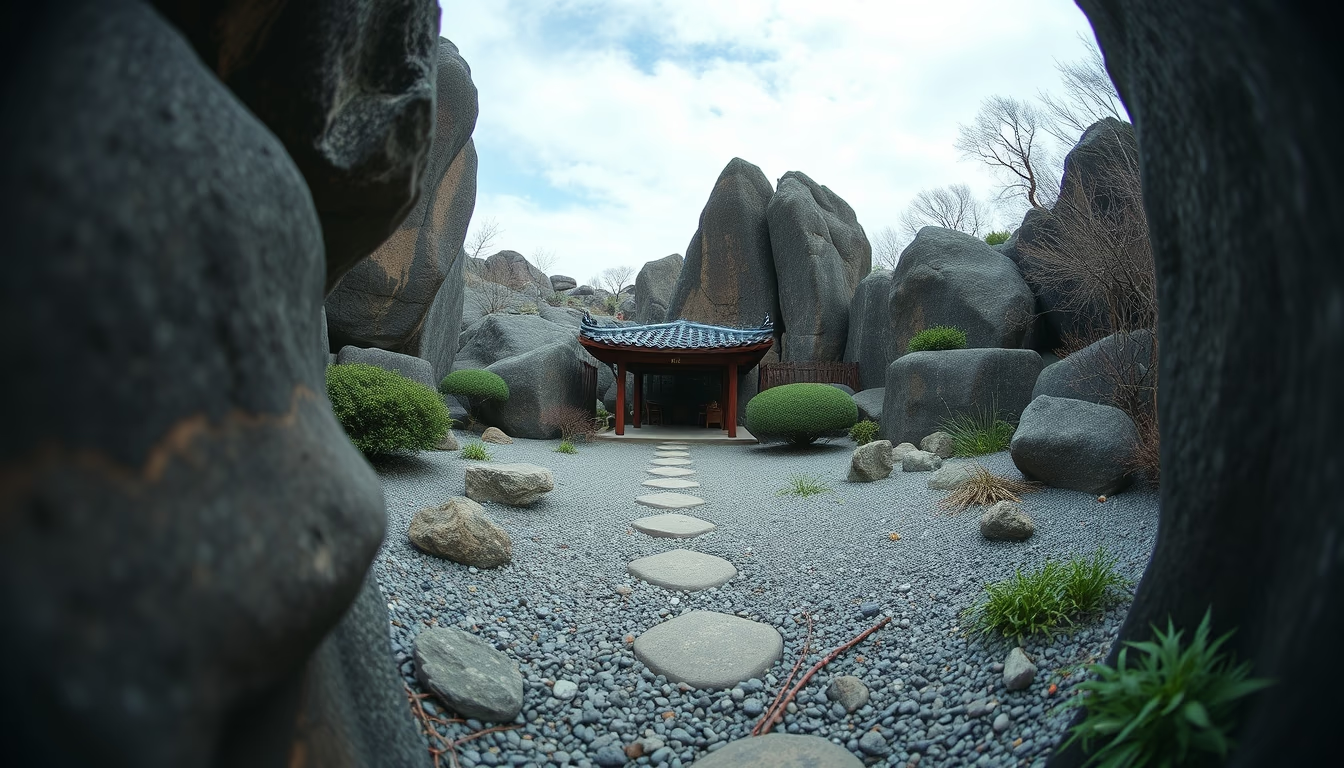
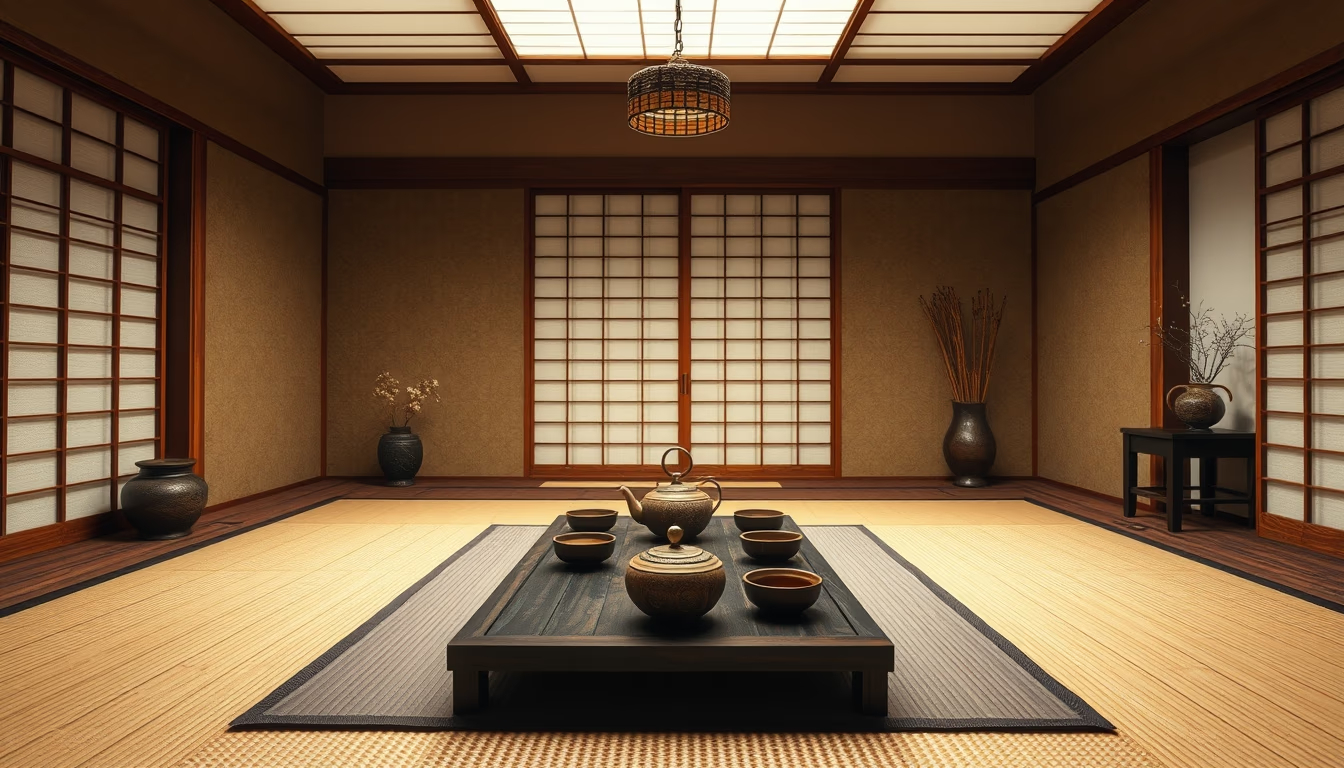
The tea ceremony embodies Zen Buddhist principles such as simplicity, harmony, and respect. The setting often features minimalist architecture, with tatami mats and alcoves (tokonoma) that highlight the beauty of the utensils. Photographing these objects, especially in architectural contexts, emphasizes the interplay of light, shadow, and texture, enhancing the timeless aesthetic of the ritual.
Interestingly, matcha production involves shading the tea plants weeks before harvest, increasing chlorophyll and amino acids like L-theanine. This gives matcha its characteristic umami flavor and vibrant green color. Matcha is also rich in antioxidants and catechins, and is now used not only in ceremonies but also in modern beverages and recipes.
Frequently Asked Questions
What is the function of the chasen in the tea ceremony?
The chasen, a bamboo whisk, is used to mix matcha powder with hot water, creating a smooth, frothy consistency. The whisking motion is precise and varies depending on the type of matcha being prepared.
How to choose an appropriate chawan?
The choice of chawan depends on the tea style and aesthetic preference. For usucha (thin tea), shallower bowls are common; for koicha (thick tea), deeper bowls are used. The texture and finish also influence the experience.
What is the historical origin of matcha?
Matcha was introduced to Japan by Buddhist monks in the 12th century, who brought tea seeds from China. The practice of grinding leaves into powder and whisking it developed over centuries, culminating in the tea ceremony formalized by Sen no Rikyū in the 16th century.
Direct URL
https://pub-c7d6a6ea828543ac903a74a341ccb2e1.r2.dev/imagens/matcha-bowl-whisk-green-architectural-photography-fresh17.avifHow to credit
Include a visible link back to UtilizAí. Copy one of the snippets below:
<a href="https://xn--utiliza-eza.com/en/midia/imagens/matcha-bowl-whisk-green-architectural-photography-fresh17">Matcha bowl whisk green</a> by <a href="https://xn--utiliza-eza.com">UtilizAí</a>, licensed under <a href="https://creativecommons.org/licenses/by/4.0/">CC BY 4.0</a>.
[Matcha bowl whisk green](https://xn--utiliza-eza.com/en/midia/imagens/matcha-bowl-whisk-green-architectural-photography-fresh17) by [UtilizAí](https://xn--utiliza-eza.com), CC BY 4.0
License: CC-BY-4.0