Marble carving chisel
1344×768 · AVIF · CC BY 4.0
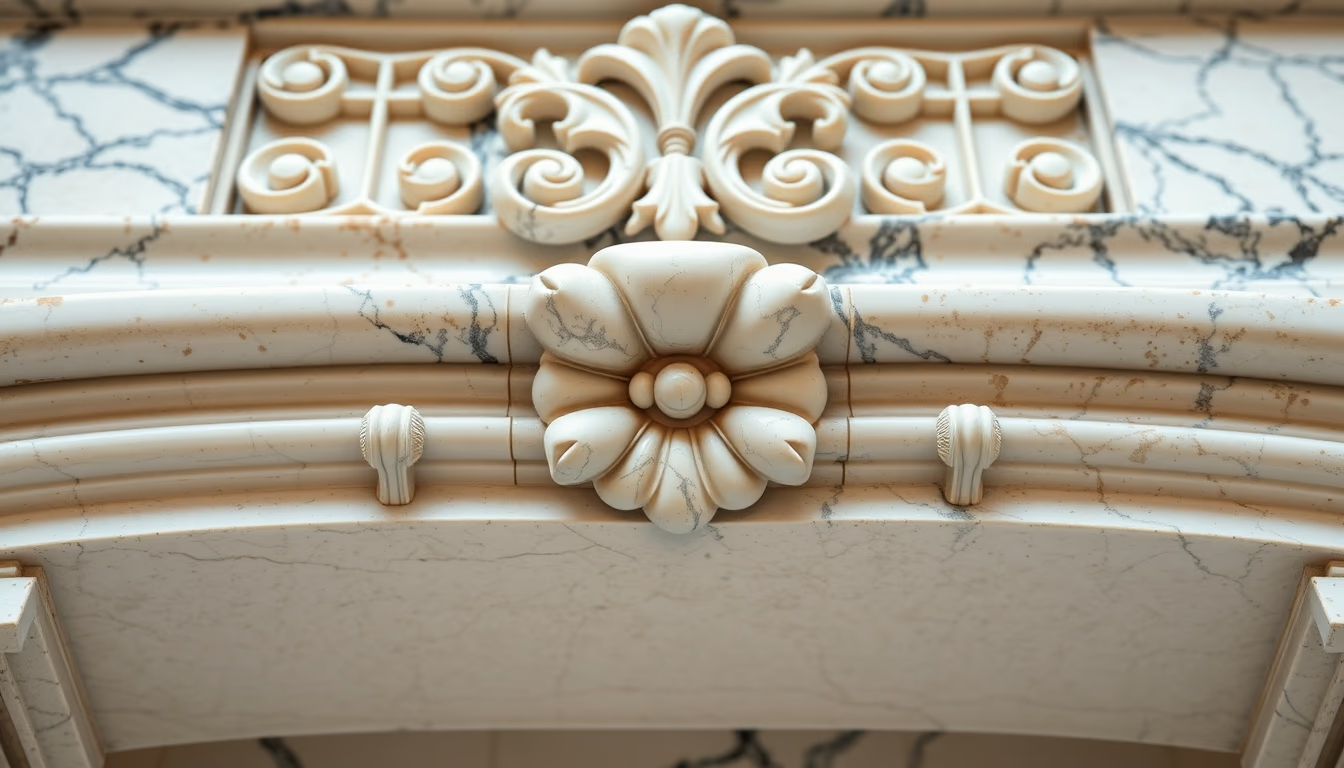
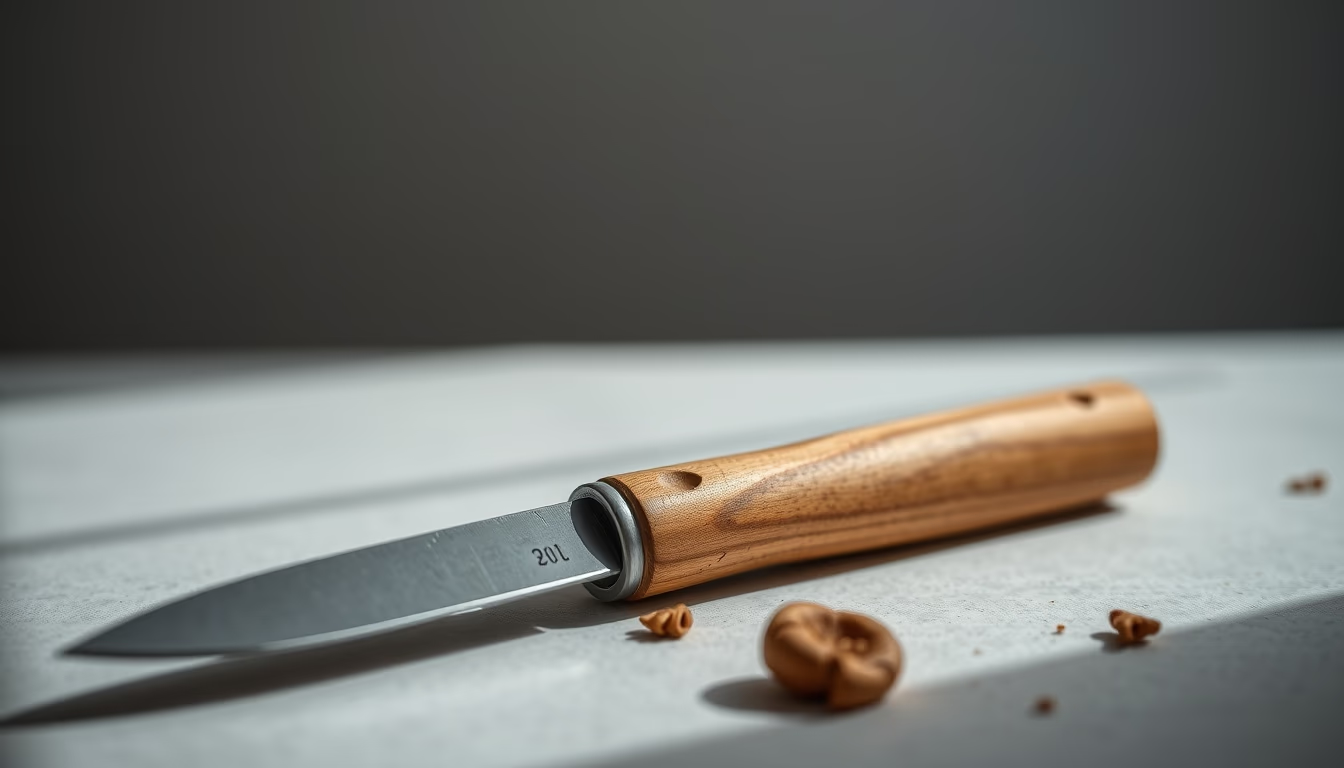
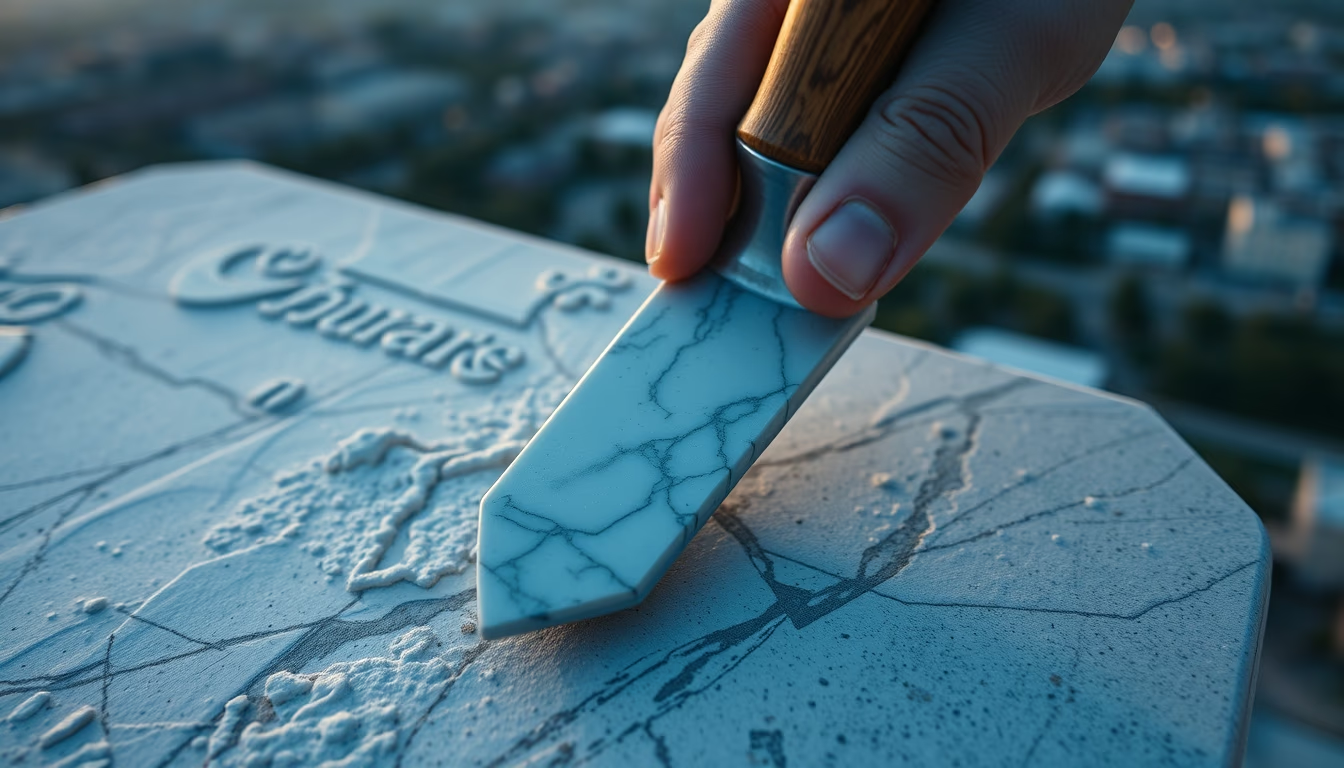
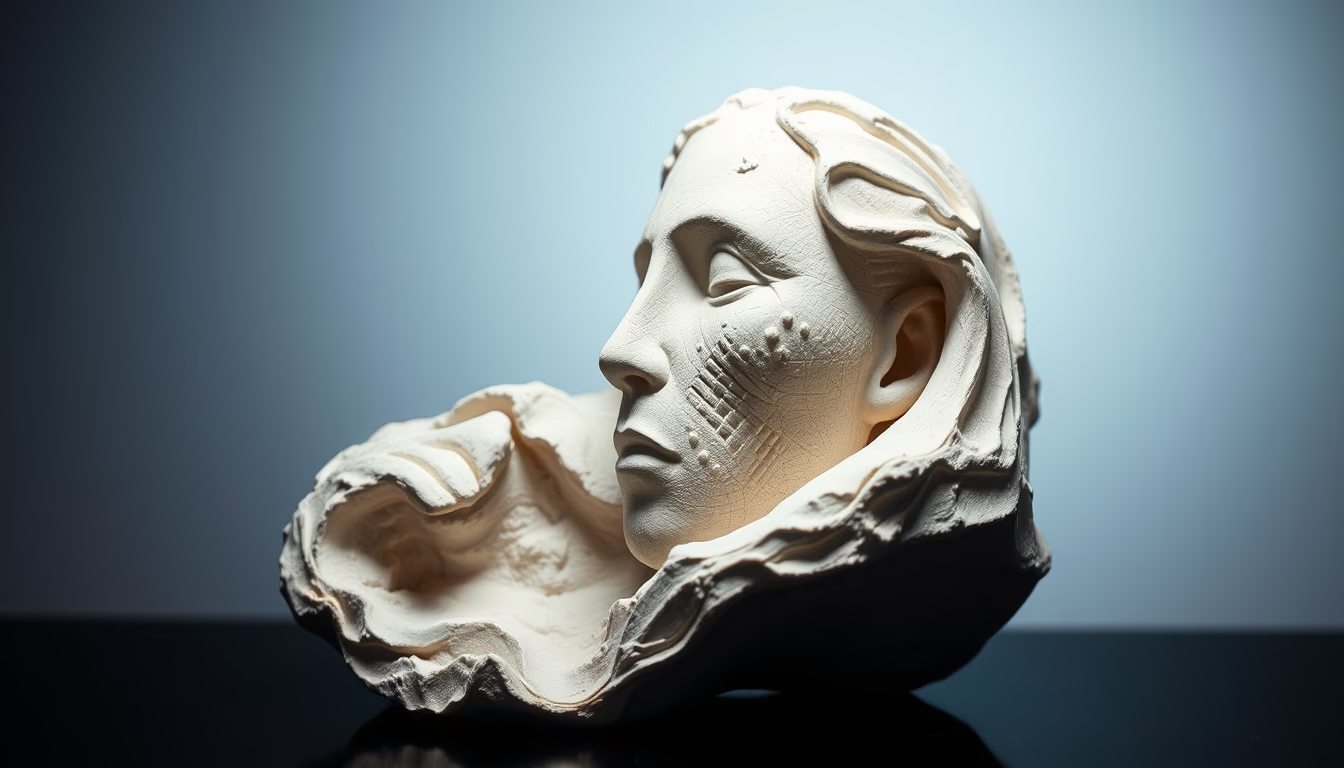
Marble carving chisel: essential tool in sculpture, with tempered steel or carbide tip, used for roughing and detailing.
About this subject
The marble carving chisel is a hand tool consisting of a tempered steel shaft or, in modern versions, with a tungsten carbide insert. Its cutting edge varies in geometry according to the purpose: point chisel for roughing, tooth chisel for texturing, and flat chisel for smooth finishing. The choice of cutting angle and material depends on the hardness of the marble and the stage of the sculpture.
Historically, iron chisels have been used since Classical Antiquity. Greek sculptors like Phidias and later Michelangelo used forged steel chisels to carve works such as David and the Pietà. Carrara marble, quarried in the Apuan Alps, required specific tools due to its fine grain. During the Renaissance, the tooth chisel was refined to allow greater control over surface texture.
In the carving process, the chisel is struck by a mallet (sculptor's hammer) weighing from 200 grams to 2 kilograms. The precision of the attack angle and the force of the blow determine the depth of the cut. The 'gradina' technique uses tooth chisels to create rough surfaces before polishing. Modern tools incorporate carbide, which holds the edge longer, but require diamond sharpening. Regular maintenance, resharpening and tempering, extends the chisel's lifespan.
Beyond marble, these chisels are used on other carbonate rocks (limestone, alabaster) and on relatively soft sandstones. Choosing the right chisel reduces the risk of unwanted fracture in the stone. In restoration of historical works, replicas of antique chisels are produced to maintain authenticity of methods. Interestingly, the sculptor's chisel differs from the mason's by having a longer bevel and a smaller cutting angle (about 60° versus 70°), allowing greater precision in artistic finishing.
Frequently Asked Questions
What is the difference between a marble carving chisel and a common mason's chisel?
The sculptor's chisel has a longer bevel and a smaller cutting angle (around 60°), providing greater control for fine details. The mason's chisel, with a more obtuse angle (70°), is designed for more aggressive cuts in masonry.
How to sharpen a marble carving chisel?
Use a diamond wheel or water stone with fine grit (600 to 1200). Maintain the original bevel and avoid overheating the steel, which can lose temper. For carbide inserts, use only diamond abrasives.
What types of chisels are essential for a beginner marble sculptor?
Three basic types: point chisel for roughing, tooth chisel for texture, and flat chisel for finishing. A set of varying sizes (6 mm to 25 mm) covers most needs.
Direct URL
https://pub-c7d6a6ea828543ac903a74a341ccb2e1.r2.dev/imagens/marble-carving-chisel-architectural-photography-fresh6.avifHow to credit
Include a visible link back to UtilizAí. Copy one of the snippets below:
<a href="https://xn--utiliza-eza.com/en/midia/imagens/marble-carving-chisel-architectural-photography-fresh6">Marble carving chisel</a> by <a href="https://xn--utiliza-eza.com">UtilizAí</a>, licensed under <a href="https://creativecommons.org/licenses/by/4.0/">CC BY 4.0</a>.
[Marble carving chisel](https://xn--utiliza-eza.com/en/midia/imagens/marble-carving-chisel-architectural-photography-fresh6) by [UtilizAí](https://xn--utiliza-eza.com), CC BY 4.0
License: CC-BY-4.0