Manneken pis brussels
1344×768 · AVIF · CC BY 4.0
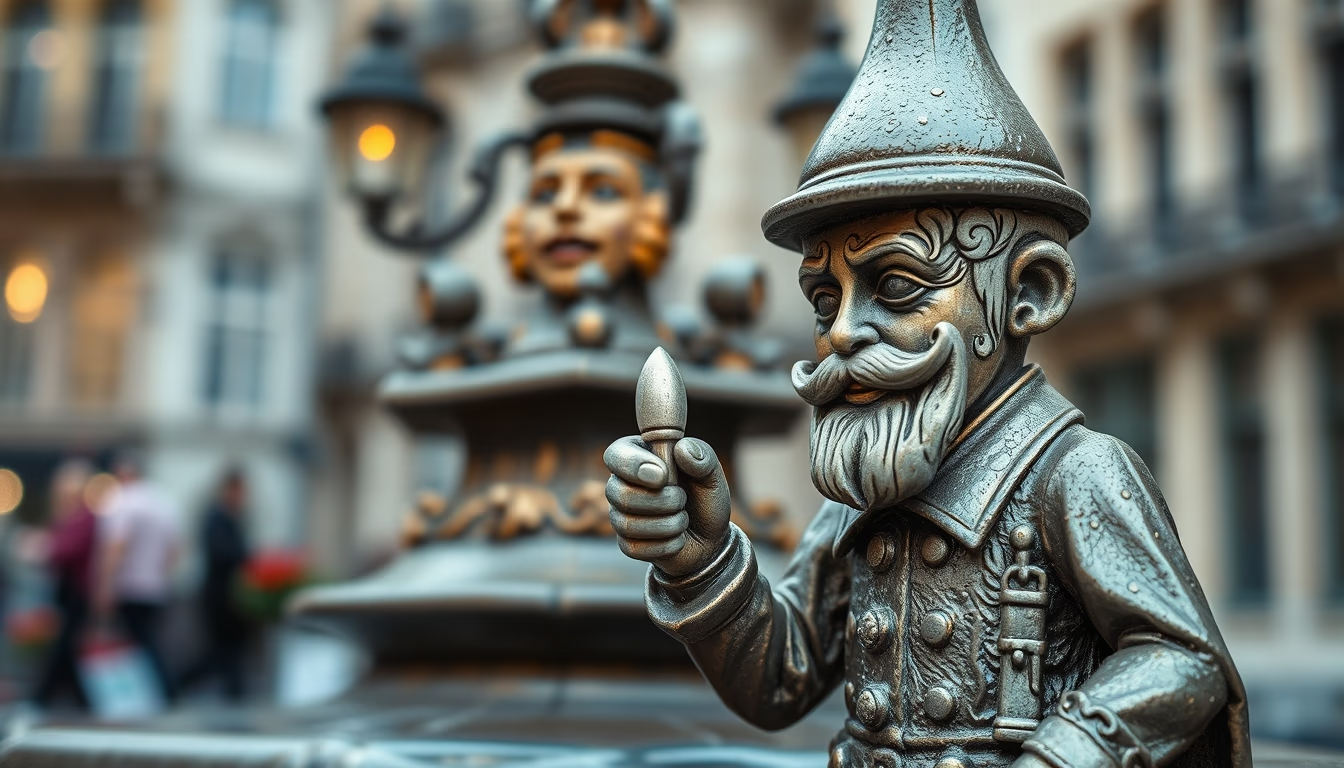
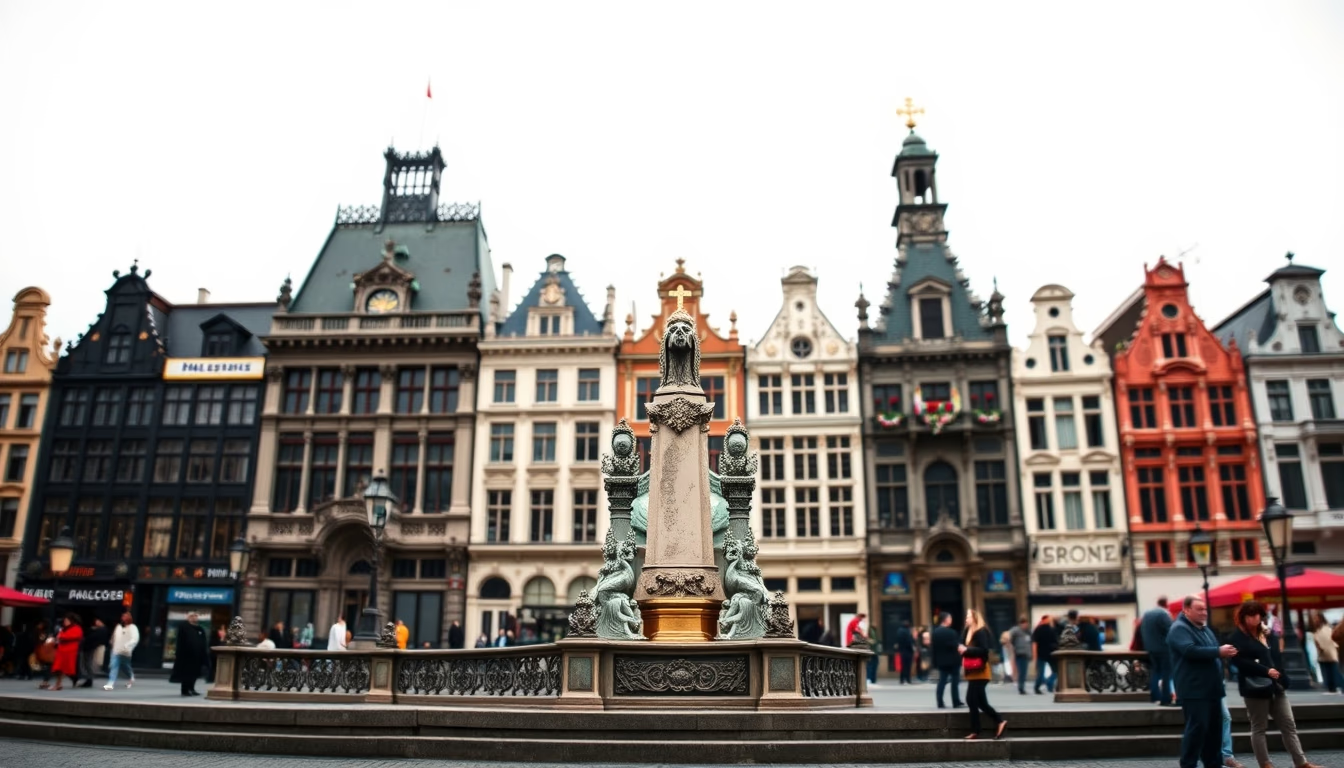
Manneken Pis, the iconic bronze statue of a urinating boy in Brussels, is one of Belgium's most famous symbols, attracting millions of tourists annually.
About this subject
Manneken Pis is a small bronze statue located in the heart of Brussels, Belgium. Created in 1619 by Flemish sculptor Hiëronymus Duquesnoy the Elder, the artwork depicts a naked boy urinating into a basin. The statue stands about 61 centimeters tall and is mounted on an ornate fountain. The exact origin of the piece is uncertain, but it quickly became a symbol of the city's irreverent and humorous spirit.
Several legends surround Manneken Pis. One popular story claims the boy extinguished a bomb fuse with his urine, saving the city from explosion. Another version says he was a lost son of a wealthy merchant, found urinating in a garden. Regardless of authenticity, the statue is beloved by locals and visitors alike, embodying the resilient and playful character of the Belgian people.
A unique tradition of Manneken Pis is the use of costumes. Since the 18th century, the statue has been regularly dressed in special outfits, which are changed in public ceremonies. Today, there is a collection of over a thousand costumes, housed in the Brussels City Museum. The garments are offered by institutions, countries, or associations, covering themes such as professions, historical figures, and cultures from around the world. Costume changes occur several times a week, and the schedule is officially published.
Manneken Pis is located at the corner of Rue de l'Étuve and Rue des Grands Carmes, a short walk from the Grand Place. Despite its modest size, the statue is one of the most photographed tourist attractions in Europe. It also has a female counterpart, Jeanneke Pis, created in 1987 as a humorous complement. The symbol has become so iconic that it appears on souvenirs, chocolates, and a variety of products, cementing its status as a cultural icon.
Frequently Asked Questions
What is the story behind Manneken Pis?
The statue was created in 1619 by sculptor Hiëronymus Duquesnoy the Elder. A famous legend says a boy saved Brussels by extinguishing a bomb fuse with his urine. Another version tells of a lost son of a merchant found urinating in a garden.
Why does Manneken Pis wear different costumes?
Since the 18th century, the statue has been dressed in costumes during public ceremonies. The outfits are donated by institutions and countries; over a thousand costumes are kept in the Brussels City Museum. Changes occur several times a week.
Where exactly is Manneken Pis located?
It is situated at the corner of Rue de l'Étuve and Rue des Grands Carmes, a short walk from the Grand Place in the historic center of Brussels.
Direct URL
https://pub-c7d6a6ea828543ac903a74a341ccb2e1.r2.dev/imagens/manneken-pis-brussels-macro-closeup-fresh14.avifHow to credit
Include a visible link back to UtilizAí. Copy one of the snippets below:
<a href="https://xn--utiliza-eza.com/en/midia/imagens/manneken-pis-brussels-macro-closeup-fresh14">Manneken pis brussels</a> by <a href="https://xn--utiliza-eza.com">UtilizAí</a>, licensed under <a href="https://creativecommons.org/licenses/by/4.0/">CC BY 4.0</a>.
[Manneken pis brussels](https://xn--utiliza-eza.com/en/midia/imagens/manneken-pis-brussels-macro-closeup-fresh14) by [UtilizAí](https://xn--utiliza-eza.com), CC BY 4.0
License: CC-BY-4.0