Maldives overwater bungalow
1344×768 · AVIF · CC BY 4.0
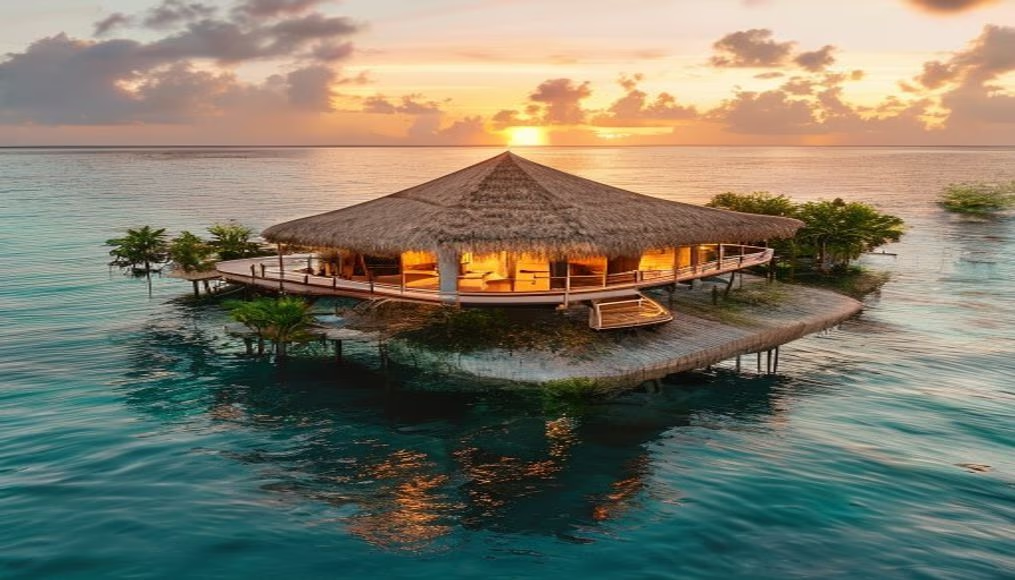
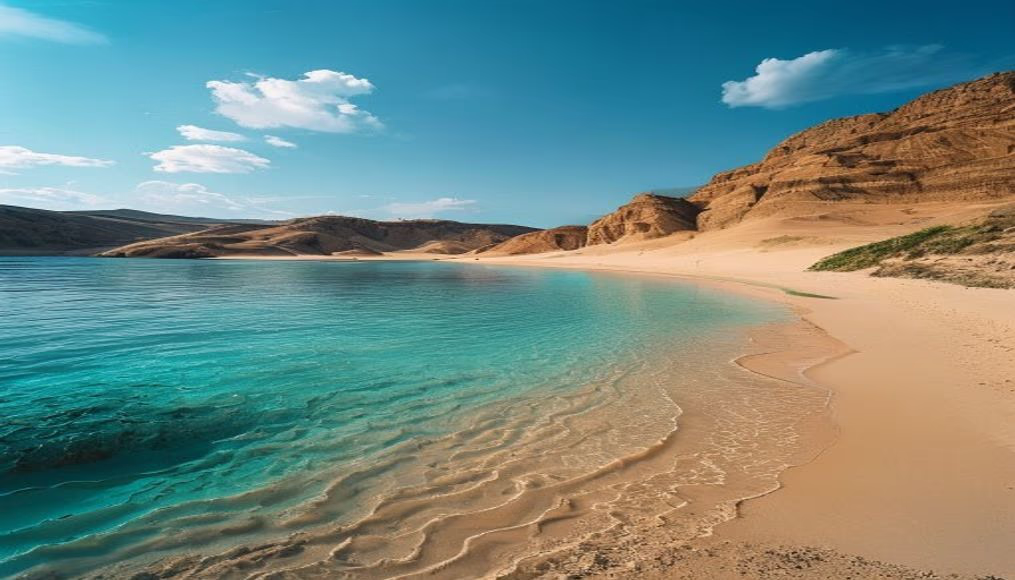
Maldives overwater bungalows are luxury tourism icons, blending innovative architecture with the natural beauty of the atolls.
About this subject
Maldives overwater bungalows have become global symbols of high-end hospitality. Originating in the 1970s when the Kurumba Village resort introduced the first floating units, these bungalows evolved into sophisticated structures offering direct sea access. Each bungalow is built on stilts driven into the ocean floor, usually in shallow lagoons protected by coral reefs. Treated wood and corrosion-resistant materials are used to withstand the marine environment, while thatched roofs and large windows integrate the structure with the landscape.
Constructing an overwater bungalow requires careful engineering to minimize environmental impacts. Foundations are drilled without large-scale concrete use, and many structures are prefabricated on land to reduce sea work time. Luxury resorts invest in wastewater treatment and solar energy to lower their ecological footprint. However, critics point out that installing these bungalows can alter marine currents and affect local coral life, leading to offset efforts such as coral replanting.
Culturally, overwater bungalows represent a fusion of the Western resort concept and the Maldivian tradition of building over water, like fishermen's huts in shallow areas. They boost the archipelago's economy, which heavily relies on tourism. Over 30% of the Maldives' GDP comes from this sector, and the bungalows are a competitive advantage over other island destinations. Staying in an overwater bungalow offers unique experiences like observing marine life through glass floors, swimming from the deck, and watching sunsets over the Indian Ocean.
Frequently Asked Questions
What are overwater bungalows in the Maldives?
They are accommodations built on stilts over the sea, usually in shallow lagoons. They offer direct water access and panoramic ocean views.
How are overwater bungalows constructed?
They use corrosion-resistant materials like treated wood and stainless steel. Foundations are drilled into the seabed and structures are often prefabricated to minimize environmental impact.
Do overwater bungalows harm the marine environment?
They can alter currents and coral habitats, but modern resorts adopt sustainable practices such as waste treatment and coral replanting to mitigate damage.
Direct URL
https://pub-c7d6a6ea828543ac903a74a341ccb2e1.r2.dev/imagens/maldives-overwater-bungalow-travel-photography-v10.avifHow to credit
Include a visible link back to UtilizAí. Copy one of the snippets below:
<a href="https://xn--utiliza-eza.com/en/midia/imagens/maldives-overwater-bungalow-travel-photography-v10">Maldives overwater bungalow</a> by <a href="https://xn--utiliza-eza.com">UtilizAí</a>, licensed under <a href="https://creativecommons.org/licenses/by/4.0/">CC BY 4.0</a>.
[Maldives overwater bungalow](https://xn--utiliza-eza.com/en/midia/imagens/maldives-overwater-bungalow-travel-photography-v10) by [UtilizAí](https://xn--utiliza-eza.com), CC BY 4.0
License: CC-BY-4.0