Louvre pyramid glass
1344×768 · AVIF · CC BY 4.0
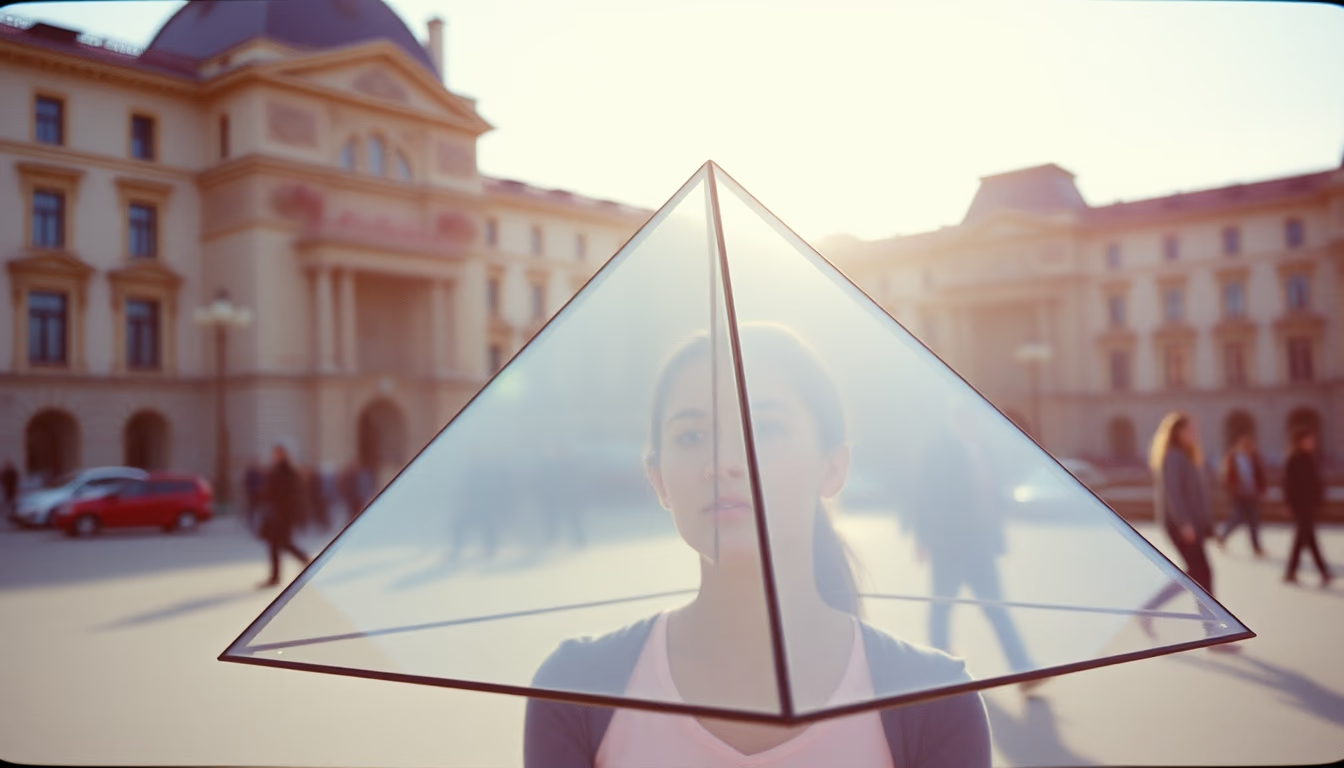
The Louvre Pyramid, designed by I.M. Pei, is the iconic glass and metal entrance to the Louvre Museum in Paris.
About this subject
The Louvre Pyramid, inaugurated in 1989, was the centerpiece of the Grand Louvre project, which modernized and expanded the museum. Designed by Chinese-American architect I.M. Pei, the structure is made of laminated glass and steel, standing 21.6 meters tall with a 35-meter base. It serves as the main entrance to the museum, channeling visitors into the three wings: Denon, Richelieu, and Sully.
Initially controversial, the pyramid was criticized for clashing with the Renaissance architecture of the Louvre. However, it became a symbol of Paris and a landmark of modern architecture. The glass panel count is often reported as 673, but it actually consists of 603 rhombus and 70 triangle segments, totaling 673 pieces. The glass is slightly tinted green to reduce heat and improve light transmission.
The complex includes three smaller pyramids around the main one, which serve as skylights for underground spaces. The inverted pyramid (La Pyramide Inversée) is located in the Carrousel du Louvre shopping mall. The structure was immortalized in Dan Brown's novel "The Da Vinci Code," further boosting its global fame. Today, it is one of the most photographed tourist attractions in the world, receiving millions of visitors annually.
Frequently Asked Questions
Why was the Louvre Pyramid built?
The pyramid was built to serve as the new main entrance to the Louvre Museum, improving visitor flow and modernizing the museum's infrastructure as part of the Grand Louvre project initiated by President François Mitterrand.
How many glass panes does the Louvre Pyramid have?
The main pyramid has 673 glass panes: 603 rhombus and 70 triangles. This number is often mistakenly cited as 666, leading to conspiracy theories.
Is the Louvre Pyramid accessible to the public?
Yes, the pyramid is the public entrance to the Louvre. Visitors can access the museum through it, and there are escalators and elevators to the underground spaces. The pyramid itself is not an exhibition space but is open for external viewing.
Direct URL
https://pub-c7d6a6ea828543ac903a74a341ccb2e1.r2.dev/imagens/louvre-pyramid-glass-lo-fi-disposable-camera-p4.avifHow to credit
Include a visible link back to UtilizAí. Copy one of the snippets below:
<a href="https://xn--utiliza-eza.com/en/midia/imagens/louvre-pyramid-glass-lo-fi-disposable-camera-p4">Louvre pyramid glass</a> by <a href="https://xn--utiliza-eza.com">UtilizAí</a>, licensed under <a href="https://creativecommons.org/licenses/by/4.0/">CC BY 4.0</a>.
[Louvre pyramid glass](https://xn--utiliza-eza.com/en/midia/imagens/louvre-pyramid-glass-lo-fi-disposable-camera-p4) by [UtilizAí](https://xn--utiliza-eza.com), CC BY 4.0
License: CC-BY-4.0