Lotus flower water reflection
1344×768 · AVIF · CC BY 4.0
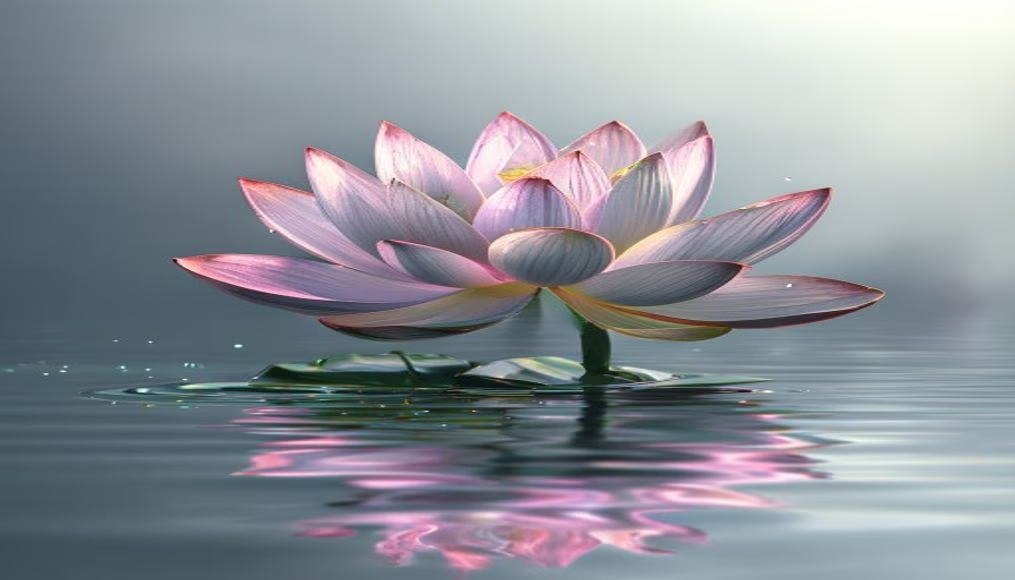
The lotus flower symbolizes purity and rebirth, rising immaculate from muddy waters and reflecting its beauty on the liquid surface.
About this subject
The lotus flower (Nelumbo nucifera) is a perennial aquatic plant native to Asia and northern Australia. It is known for its ability to thrive in muddy waters while producing pristine blossoms. This contrast inspires deep symbolism in religions like Hinduism and Buddhism, where it represents spiritual purity, enlightenment, and rebirth. The lotus is also the national flower of India and Vietnam.
Botanically, lotus leaves and flowers are hydrophobic, causing water to bead and roll off without wetting them. Its seeds can remain viable for centuries, as demonstrated by 1,300-year-old lotus seeds that successfully germinated. The flower opens at dawn and closes at dusk, marking a daily cycle that echoes the passage of time.
Culturally, the lotus appears in temples, paintings, and sculptures across Asia. In ancient Egypt, the blue lotus (Nymphaea caerulea) was associated with the sun and resurrection. In cuisine, its roots, seeds, and shoots are eaten in various Eastern dishes. Lotus tea is used in traditional Chinese medicine for its calming properties.
The image of a lotus with its water reflection is a classic motif in nature photography, capturing the symmetry and serenity of the plant. The water surface acts as a natural mirror, duplicating the flower and creating a harmonious composition. Such photographs are often used in décor, meditation, and design, evoking peace and balance.
Frequently Asked Questions
What is the spiritual meaning of the lotus flower?
The lotus flower symbolizes purity, enlightenment, and rebirth in religions such as Hinduism and Buddhism. It represents the ability to emerge immaculate from chaos or darkness, much like the human soul can achieve spiritual elevation.
Is the lotus flower edible?
Yes, various parts of the lotus are edible. The roots are used in soups and stir-fries, seeds are eaten raw or cooked, and shoots are used in salads. In Asian cuisine, it is a versatile ingredient.
How does the lotus flower stay clean in muddy water?
The lotus has a hydrophobic effect on its leaves and petals, known as the 'lotus effect'. The surface has microstructures that repel water and dirt particles, causing droplets to roll off and carry away impurities, keeping the flower clean.
Direct URL
https://pub-c7d6a6ea828543ac903a74a341ccb2e1.r2.dev/imagens/lotus-flower-water-reflection-commercial-product-photography-v9.avifHow to credit
Include a visible link back to UtilizAí. Copy one of the snippets below:
<a href="https://xn--utiliza-eza.com/en/midia/imagens/lotus-flower-water-reflection-commercial-product-photography-v9">Lotus flower water reflection</a> by <a href="https://xn--utiliza-eza.com">UtilizAí</a>, licensed under <a href="https://creativecommons.org/licenses/by/4.0/">CC BY 4.0</a>.
[Lotus flower water reflection](https://xn--utiliza-eza.com/en/midia/imagens/lotus-flower-water-reflection-commercial-product-photography-v9) by [UtilizAí](https://xn--utiliza-eza.com), CC BY 4.0
License: CC-BY-4.0