Loom weaving alpaca
1344×768 · AVIF · CC BY 4.0
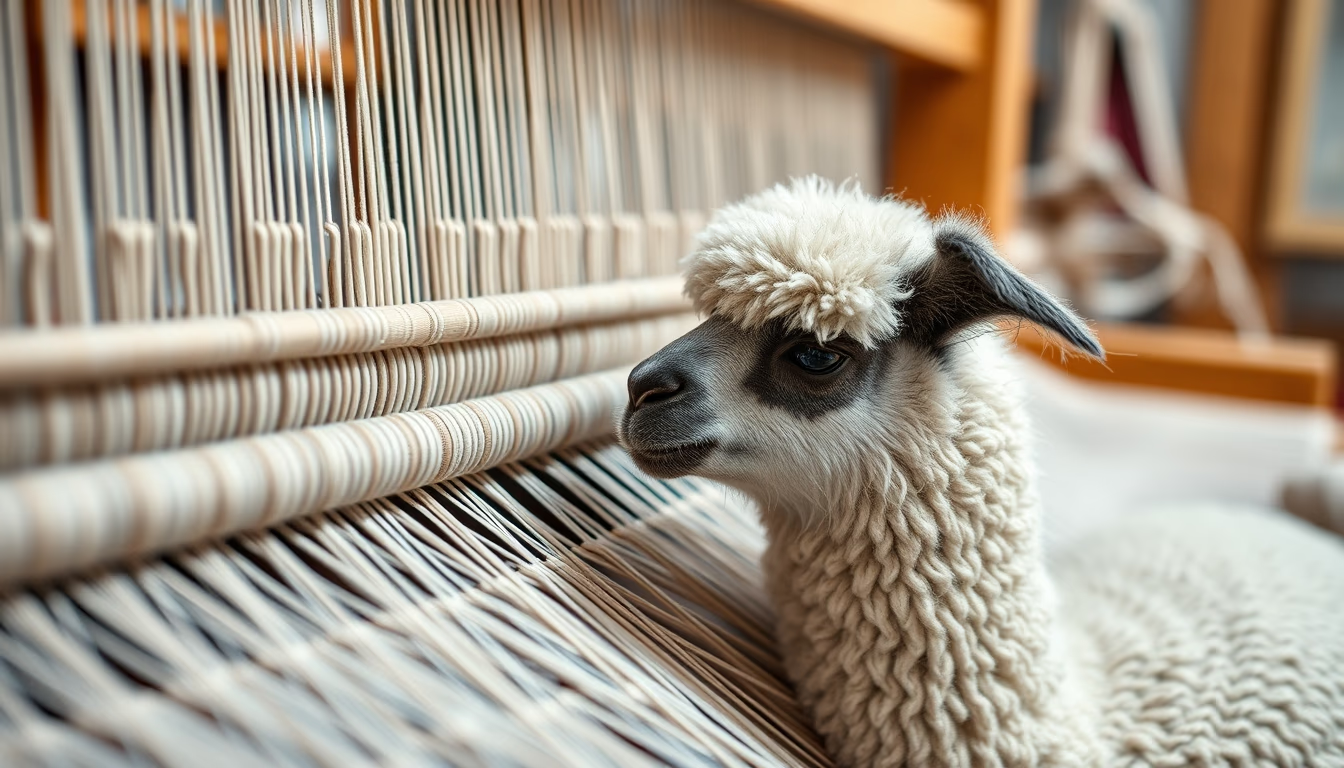
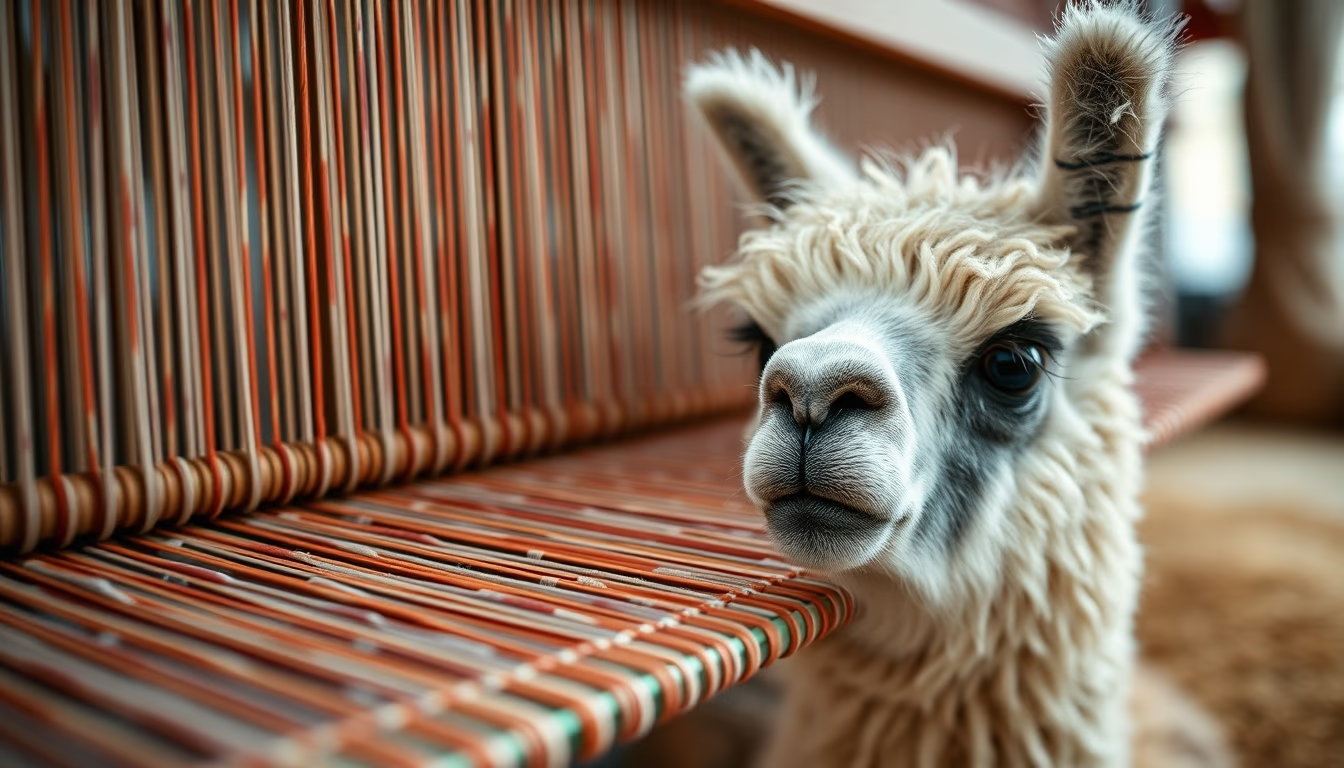
Loom weaving with alpaca fiber is an ancient Andean tradition, combining handcrafted technique and luxury raw material.
About this subject
Alpaca fiber weaving dates back to pre-Columbian Andean civilizations, such as the Incas, who domesticated these camelids over 5,000 years ago. Alpaca fiber is prized for its softness, lightweight feel, and superior thermal properties compared to sheep's wool. Alpacas are primarily raised in Peru, Bolivia, and Chile, with Peru being the world's largest producer, accounting for about 70% of the global population.
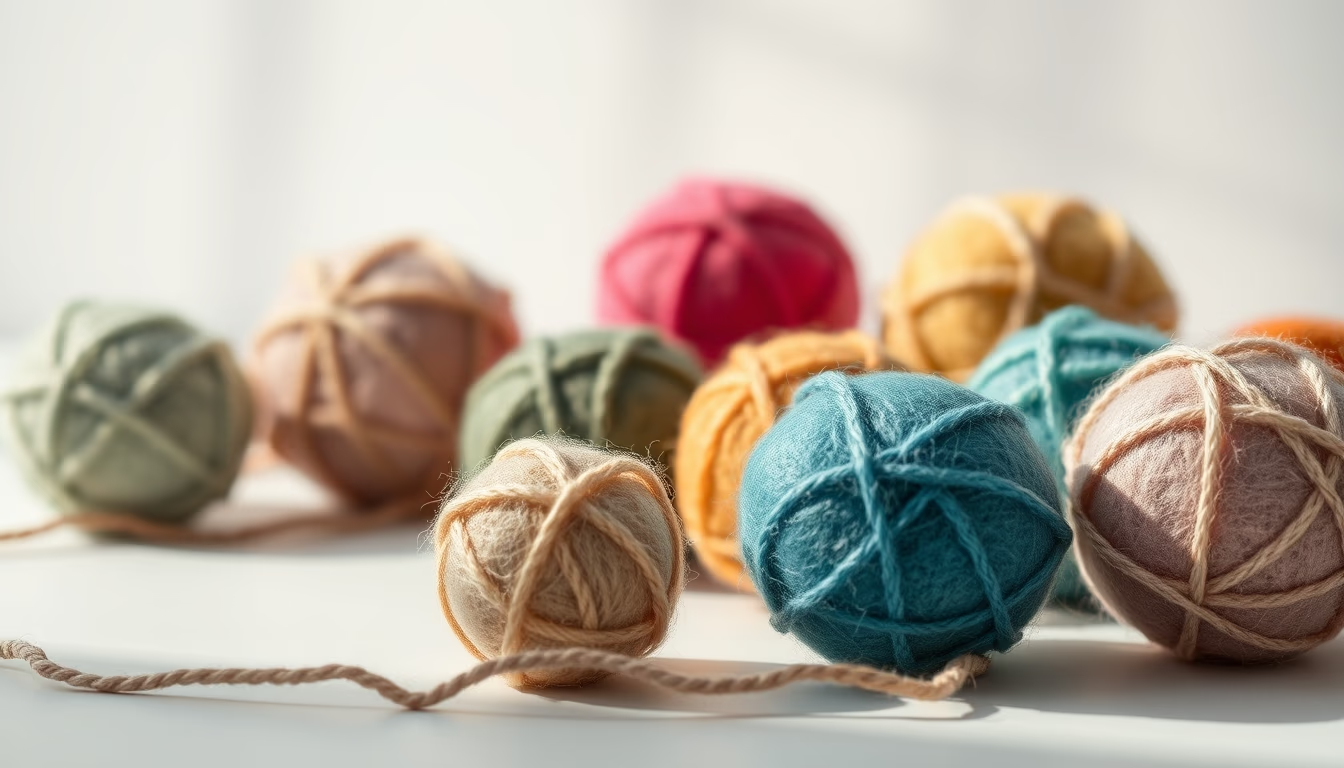
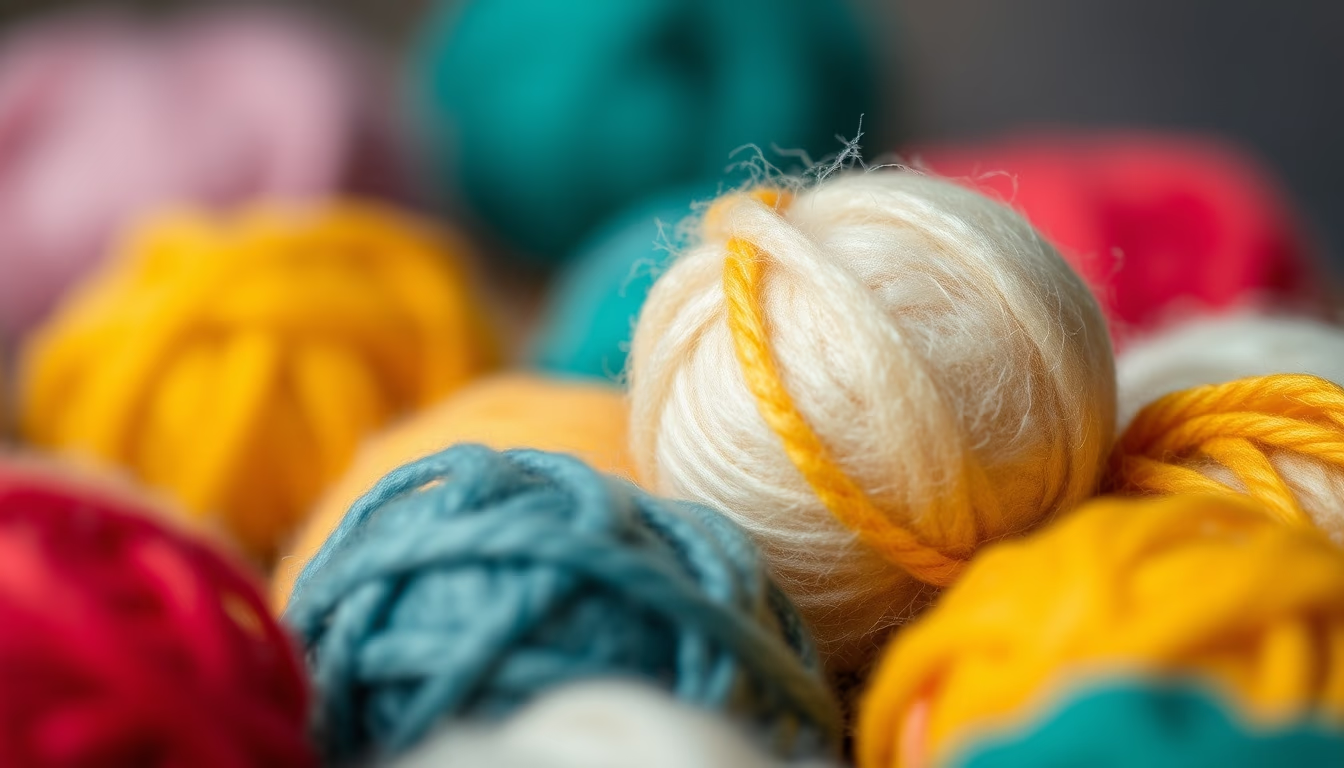
The handloom, a central tool in this process, enables the creation of items like ponchos, blankets, garments, and rugs. Artisanal production involves several steps: annual shearing, fiber selection (the finest is 'baby alpaca' from the first shearing), hand or semi-industrial spinning, dyeing with natural dyes extracted from plants, minerals, or insects, and finally the weaving itself. A complex piece may take weeks to complete.
Culturally, Andean weaving carries profound symbolic meaning. Geometric patterns represent elements of nature, such as mountains, rivers, and animals, as well as cosmological concepts. Many communities pass down these techniques from generation to generation, especially among women. The city of Cusco in Peru and the Otavalo region in Ecuador are renowned for their alpaca textiles.
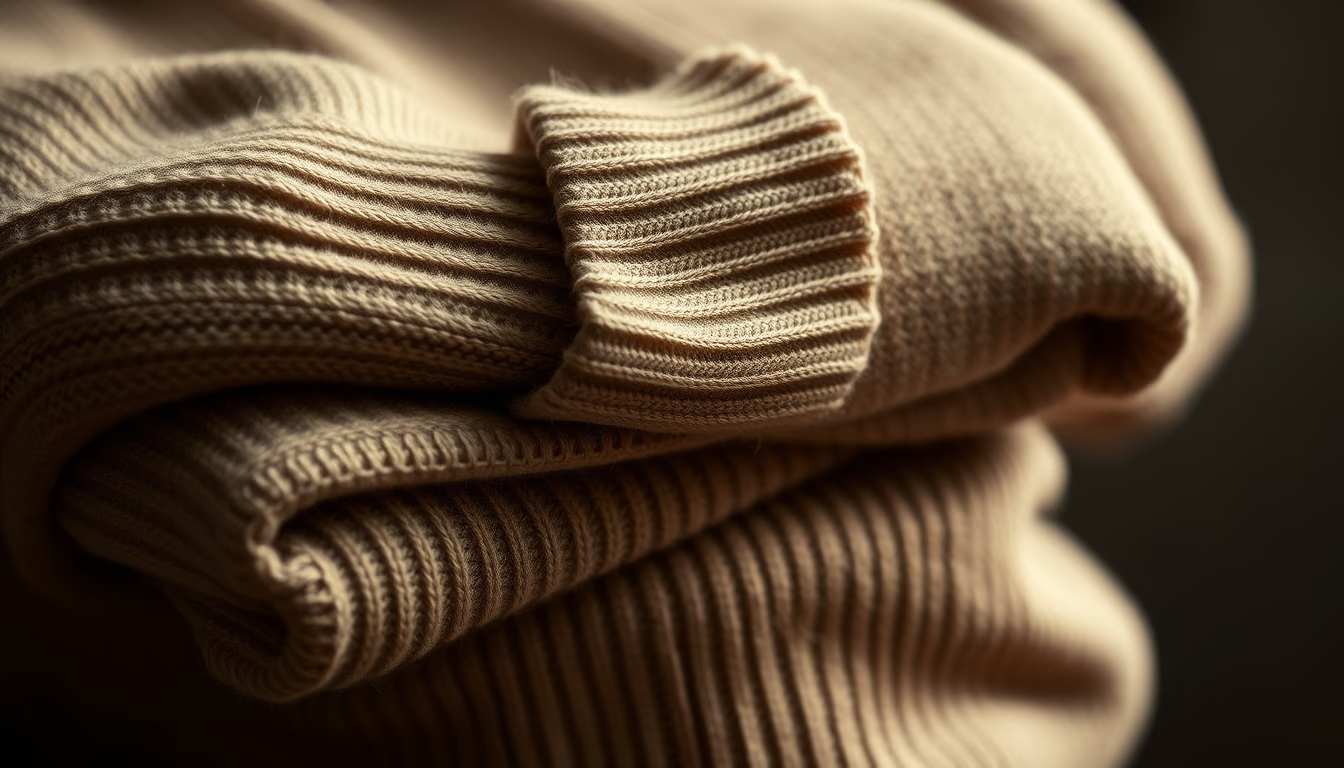
International appreciation for alpaca fiber has grown in recent decades, driven by fair trade and the demand for sustainable materials. Peruvian weavers have gained prominence in design and fashion fairs, and alpaca wool is used by renowned designers. Despite this, artisanal production faces challenges such as competition from synthetic fabrics and the need to preserve ancestral knowledge.
Frequently Asked Questions
What is the difference between alpaca wool and sheep's wool?
Alpaca wool is lighter, softer, and hypoallergenic because it contains no lanolin. Its hollow fibers provide better thermal insulation, keeping warmth without weight.
Where is alpaca fiber weaving traditional?
It is traditional in the Andean countries: Peru, Bolivia, and Chile. In Peru, the Puno and Cusco regions stand out; in Bolivia, the highlands; and in Chile, the north.
How long does it take to weave an alpaca piece?
It depends on size and complexity, but a poncho or blanket can take from a few days to several weeks, considering all the artisanal steps.
Direct URL
https://pub-c7d6a6ea828543ac903a74a341ccb2e1.r2.dev/imagens/loom-weaving-alpaca-tilt-shift-miniature-fresh11.avifHow to credit
Include a visible link back to UtilizAí. Copy one of the snippets below:
<a href="https://xn--utiliza-eza.com/en/midia/imagens/loom-weaving-alpaca-tilt-shift-miniature-fresh11">Loom weaving alpaca</a> by <a href="https://xn--utiliza-eza.com">UtilizAí</a>, licensed under <a href="https://creativecommons.org/licenses/by/4.0/">CC BY 4.0</a>.
[Loom weaving alpaca](https://xn--utiliza-eza.com/en/midia/imagens/loom-weaving-alpaca-tilt-shift-miniature-fresh11) by [UtilizAí](https://xn--utiliza-eza.com), CC BY 4.0
License: CC-BY-4.0