Loom weaving alpaca
1344×768 · AVIF · CC BY 4.0
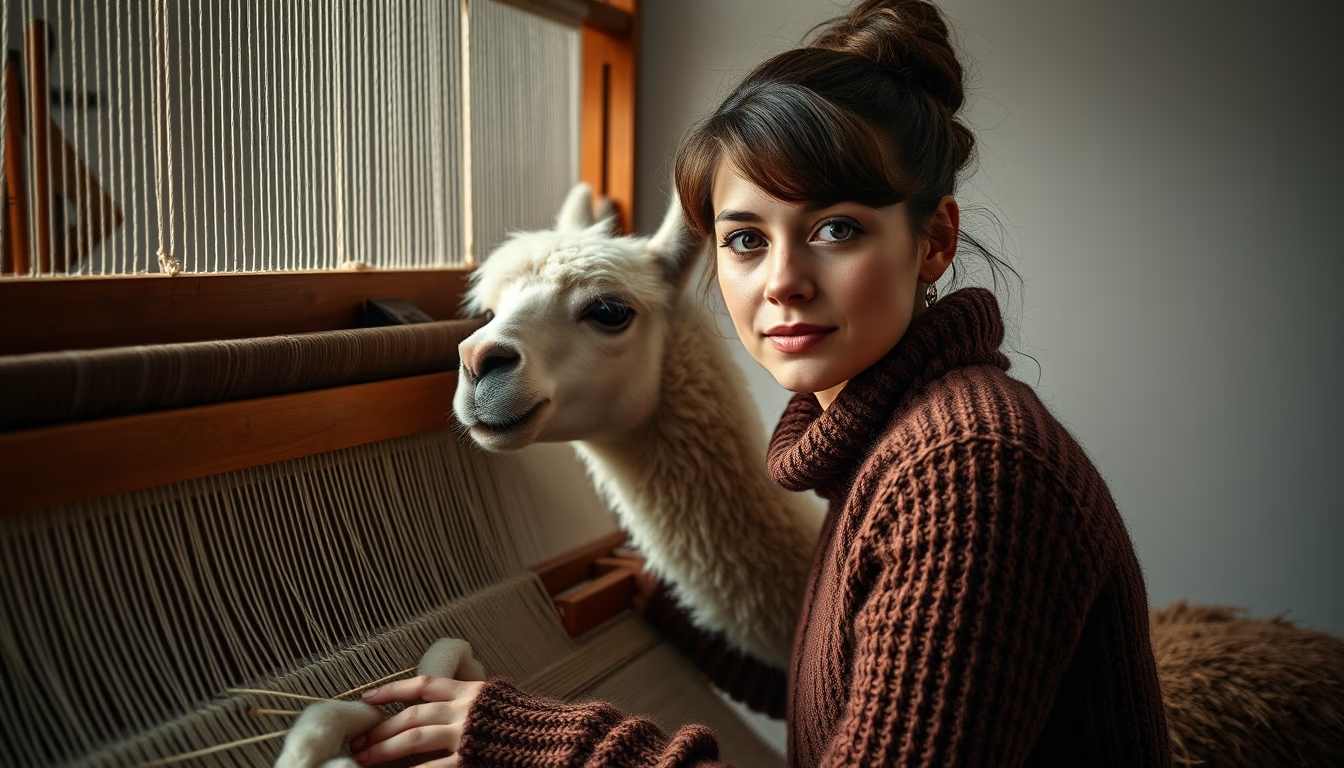
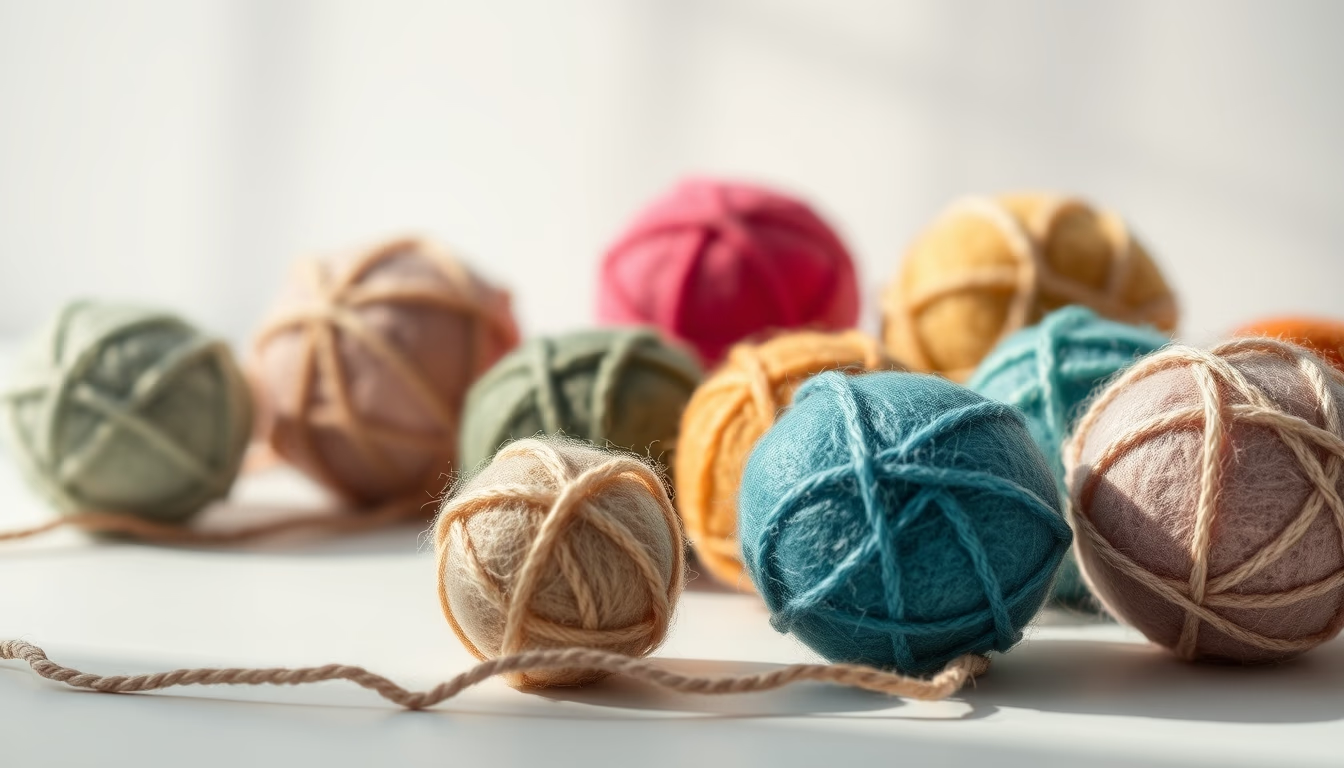
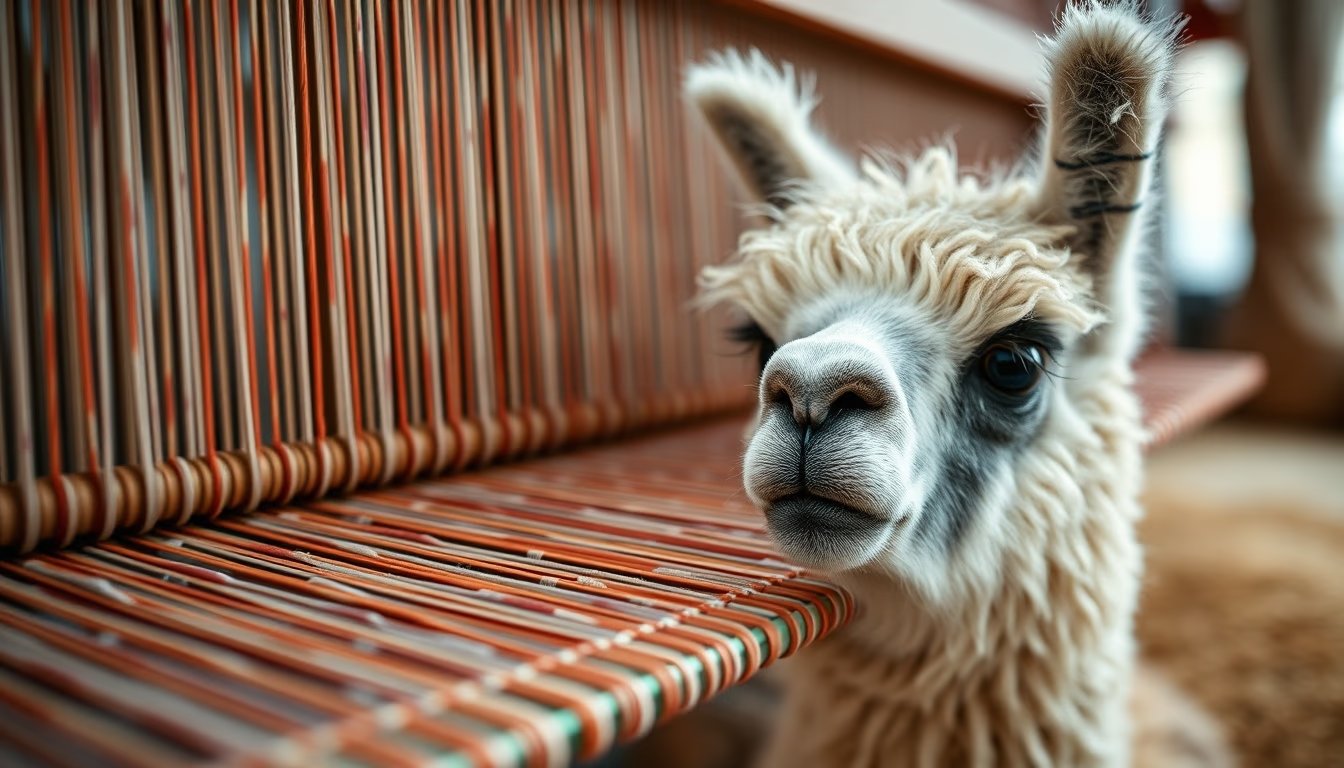
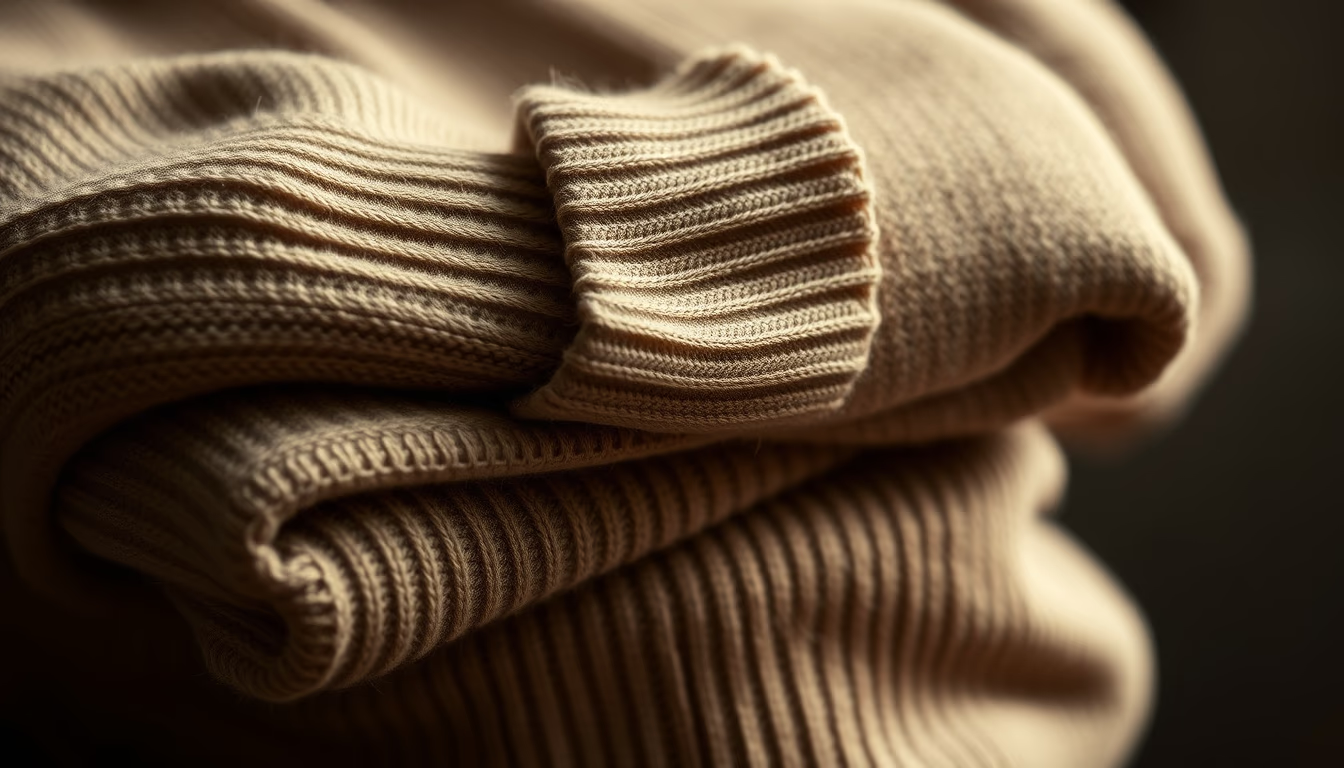
Handloom weaving turns alpaca fiber into soft, durable textiles, an ancient tradition from the Peruvian Andes.
About this subject
Alpaca fiber is one of the world's finest natural fibers, surpassing sheep wool in softness and lightness. Originating from the high Andes of Peru, Bolivia, and Chile, alpacas were domesticated over 6,000 years ago by pre-Inca peoples. Their hollow fibers provide exceptional thermal insulation, making them warmer than sheep wool and hypoallergenic due to the absence of lanolin.
The art of handloom weaving is a time-honored craft. Andean artisans, mainly in communities like Ayacucho and Cusco, use backstrap or pedal looms to create blankets, ponchos, and garments. Each piece may take weeks to complete, featuring geometric patterns that narrate stories and reflect the Andean worldview. UNESCO recognizes traditional Peruvian weaving as an Intangible Cultural Heritage.
Globally, alpaca fiber is prized in luxury fashion and interior design. International brands such as Patagonia and Loro Piana use it for its sustainability and quality. Production remains largely artisanal, ensuring ethical practices and low environmental impact. Rising demand promotes fair trade and the preservation of Andean textile culture.
Fun fact: there are two main alpaca breeds, Huacaya (short, crimpy fibers) and Suri (long, silky fibers). Suri fiber is rarer and more expensive, often used in fine textiles. Handloom weaving enhances the fiber's natural properties, creating heirloom-quality pieces that last for generations.
Frequently Asked Questions
What is the difference between alpaca wool and sheep wool?
Alpaca wool is softer, lighter, and warmer than sheep wool. It is also hypoallergenic because it lacks lanolin, the natural oil found in sheep wool.
How is handloom weaving with alpaca fiber done?
Weaving is done on a manual loom, either backstrap or pedal. The fiber is hand-spun and dyed with natural dyes, and patterns are created using techniques passed down through generations.
Where can I buy handwoven alpaca textiles?
Authentic products can be purchased directly from artisan cooperatives in Peru, at craft fairs, or through fair-trade online stores such as Alpaca Direct and Sol Alpaca.
Direct URL
https://pub-c7d6a6ea828543ac903a74a341ccb2e1.r2.dev/imagens/loom-weaving-alpaca-studio-editorial-portrait-fresh15.avifHow to credit
Include a visible link back to UtilizAí. Copy one of the snippets below:
<a href="https://xn--utiliza-eza.com/en/midia/imagens/loom-weaving-alpaca-studio-editorial-portrait-fresh15">Loom weaving alpaca</a> by <a href="https://xn--utiliza-eza.com">UtilizAí</a>, licensed under <a href="https://creativecommons.org/licenses/by/4.0/">CC BY 4.0</a>.
[Loom weaving alpaca](https://xn--utiliza-eza.com/en/midia/imagens/loom-weaving-alpaca-studio-editorial-portrait-fresh15) by [UtilizAí](https://xn--utiliza-eza.com), CC BY 4.0
License: CC-BY-4.0