Loom weaving alpaca
1344×768 · AVIF · CC BY 4.0
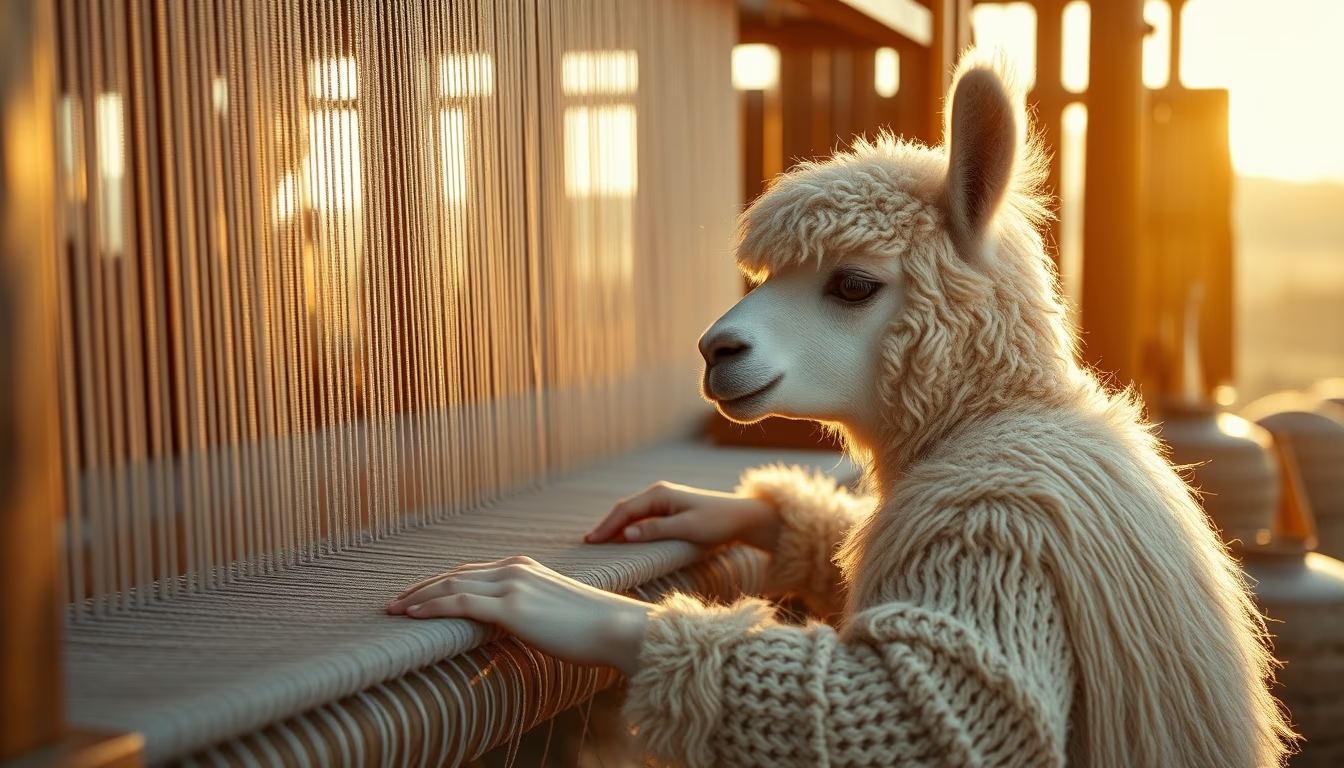
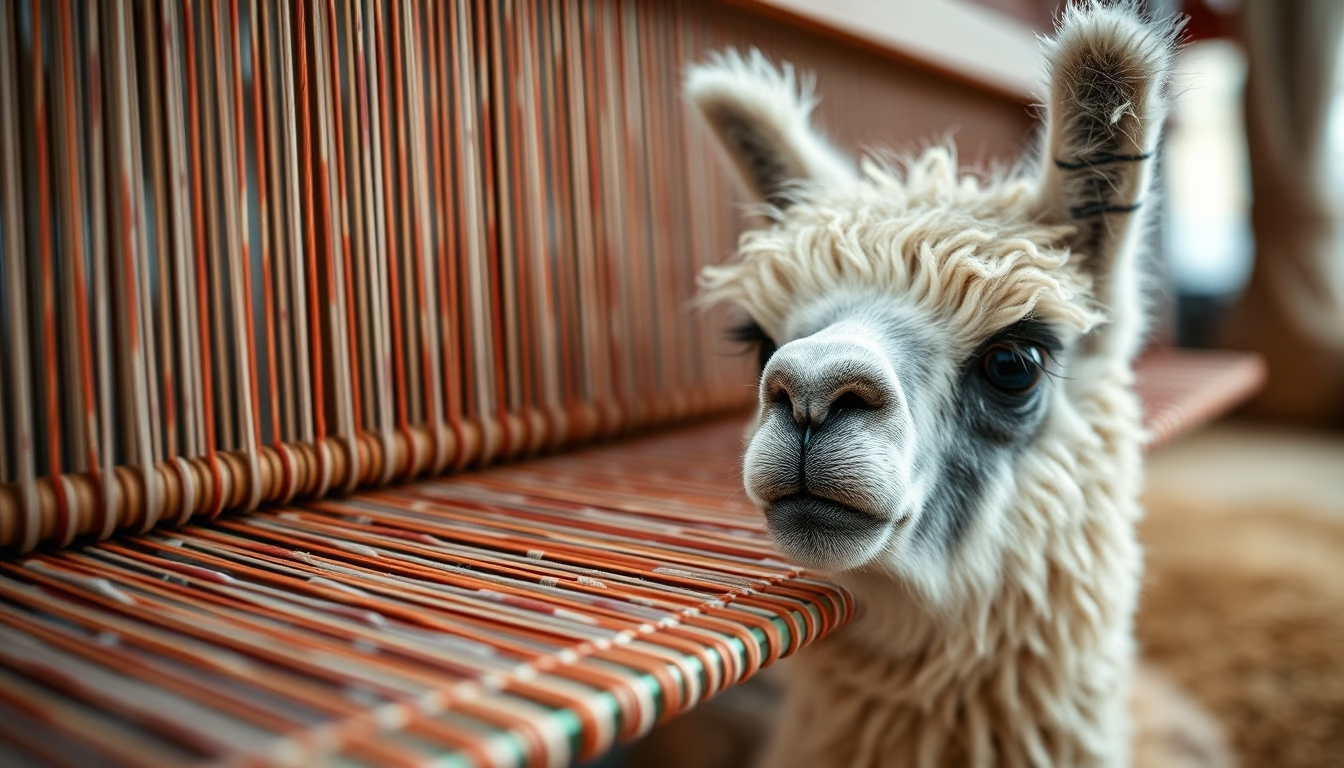
Weaving with alpaca fiber is an ancient Andean tradition, prized for the softness and durability of the yarn.
About this subject
Alpaca fiber comes from camelids native to the Peruvian, Bolivian and Chilean Andes, where they have been domesticated for over 6,000 years. Unlike sheep wool, alpaca is lighter, hypoallergenic, and has higher thermal insulation, making it ideal for high-quality textiles. The fibers are classified into two main varieties: Huacaya, with a wavy, dense texture, and Suri, with long, silky locks.
Weaving with alpaca is central to Andean culture, especially among the Quechua and Aymara peoples. Traditional techniques such as the backstrap loom (telar de cintura) allow the creation of geometric symbolic patterns, many inherited from pre-Columbian times. Today, artisans combine ancestral methods with treadle and mechanical looms, adapting production for the global market.
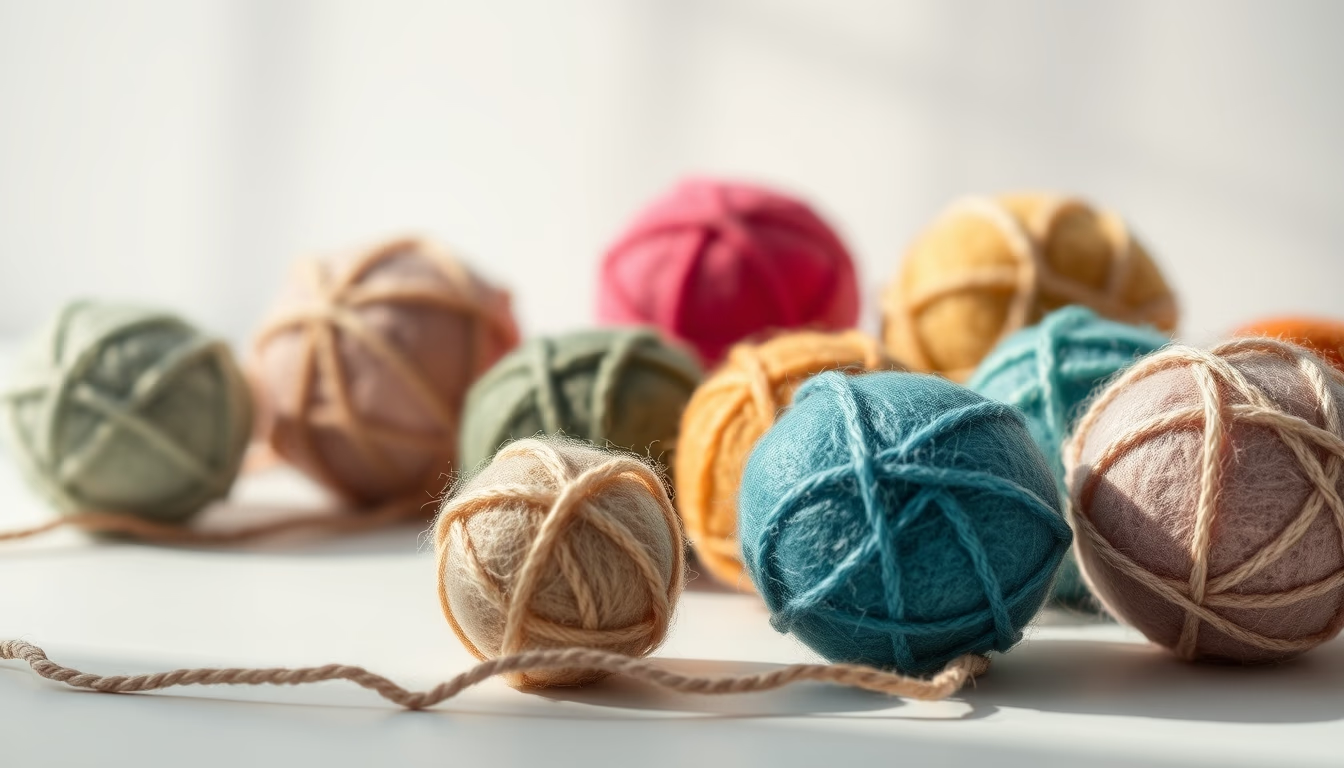
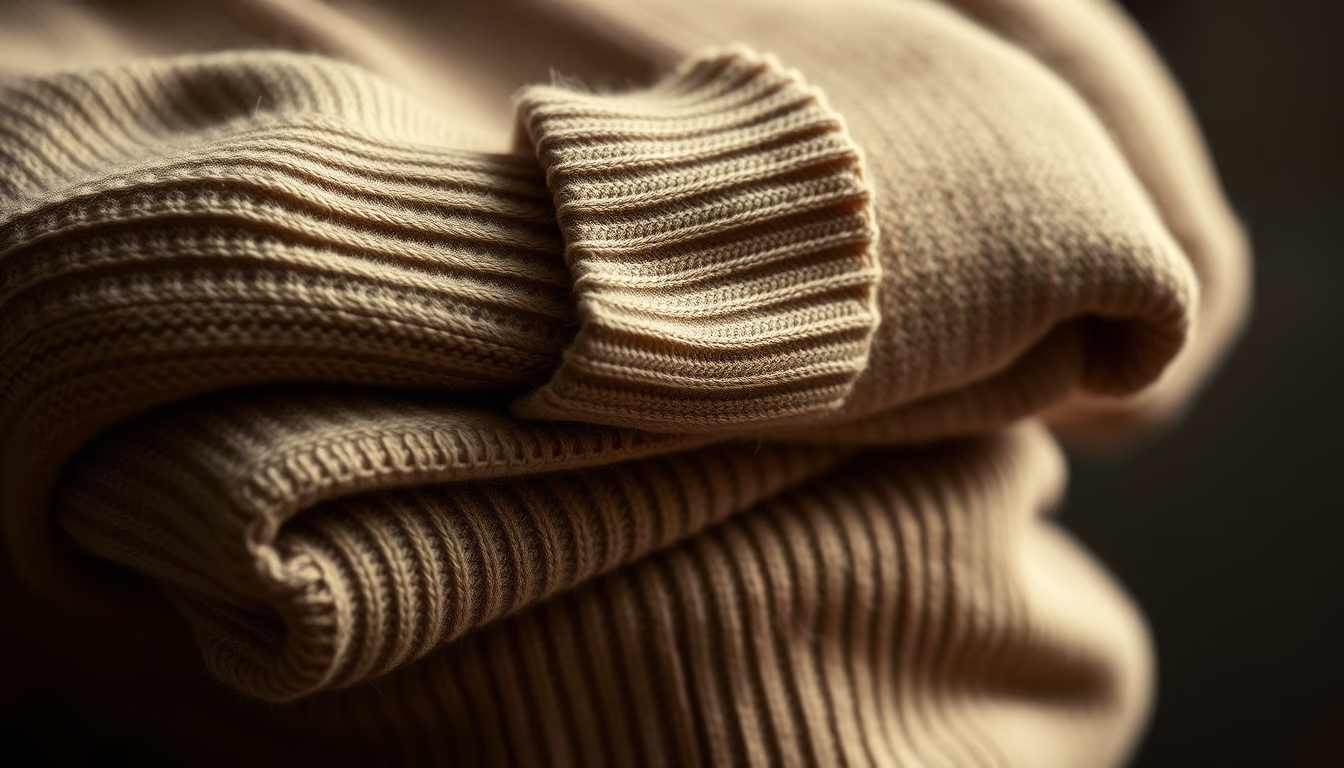
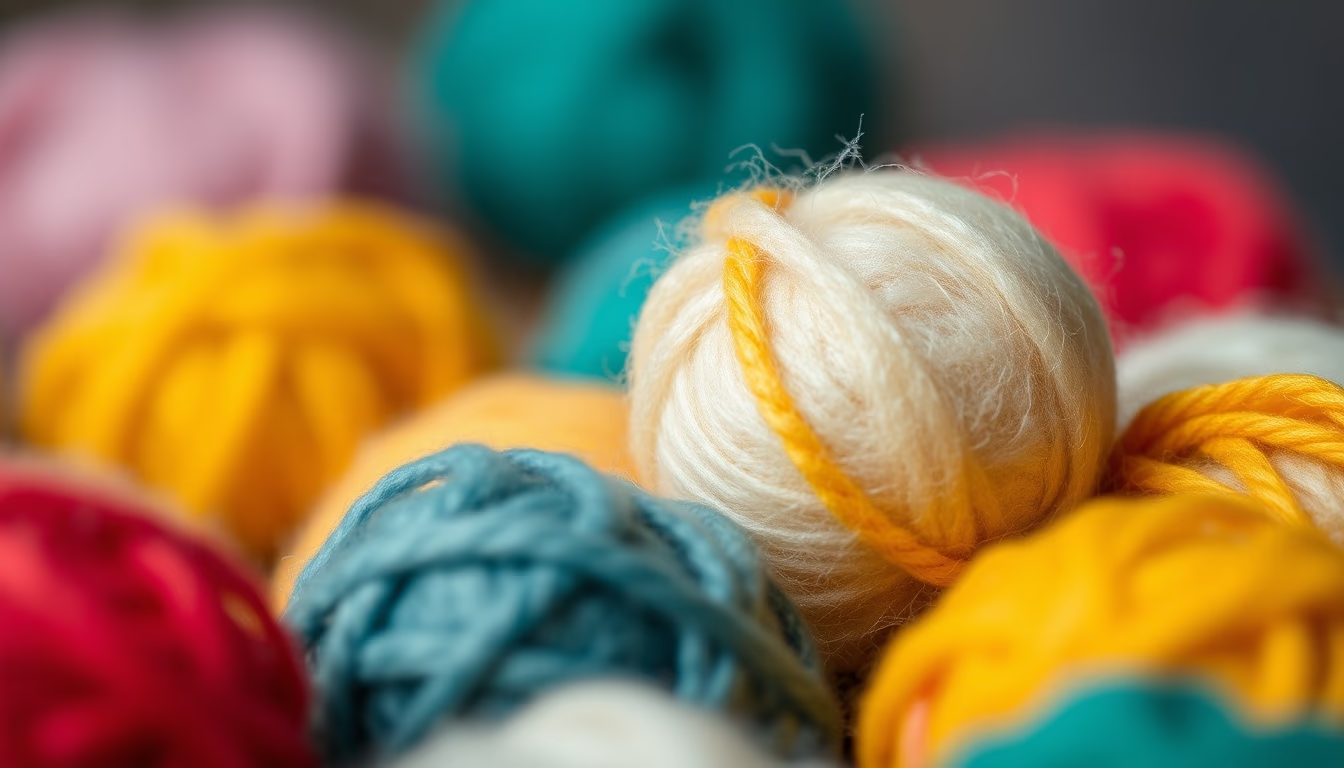
In Brazil, the use of alpaca fiber is growing among artisans and textile designers, valuing sustainable production and cultural heritage. Common pieces include blankets, scarves, and knitting yarns. Loom weaving, whether manual or mechanical, requires careful yarn preparation, such as spinning and dyeing with natural dyes from local plants and minerals. This process not only preserves tradition but also adds value to the final product.
Interestingly, alpaca does not produce lanolin, making the fabric recommended for sensitive skin. Moreover, the natural color of the fiber ranges from white to black, through various shades of brown and gray, providing a rich palette without chemical dyeing. This aspect attracts conscious consumers, strengthening the ethical and handmade fashion niche.
Frequently Asked Questions
How does alpaca fiber compare to sheep wool?
Alpaca is lighter, hypoallergenic, and has higher thermal insulation. It contains no lanolin, making it suitable for sensitive skin. The fiber is also silkier and more durable.
What loom techniques are used in alpaca weaving?
Techniques include the backstrap loom (traditional Andean), treadle loom, and mechanical loom. Each offers different possibilities for patterns and productivity.
Where can I find alpaca woven items in Brazil?
Items are found in craft stores, sustainable fashion fairs, and specialized websites. Brazilian brands that value fair trade with Andean communities also offer these products.
Direct URL
https://pub-c7d6a6ea828543ac903a74a341ccb2e1.r2.dev/imagens/loom-weaving-alpaca-cinematic-wide-shot-fresh14.avifHow to credit
Include a visible link back to UtilizAí. Copy one of the snippets below:
<a href="https://xn--utiliza-eza.com/en/midia/imagens/loom-weaving-alpaca-cinematic-wide-shot-fresh14">Loom weaving alpaca</a> by <a href="https://xn--utiliza-eza.com">UtilizAí</a>, licensed under <a href="https://creativecommons.org/licenses/by/4.0/">CC BY 4.0</a>.
[Loom weaving alpaca](https://xn--utiliza-eza.com/en/midia/imagens/loom-weaving-alpaca-cinematic-wide-shot-fresh14) by [UtilizAí](https://xn--utiliza-eza.com), CC BY 4.0
License: CC-BY-4.0