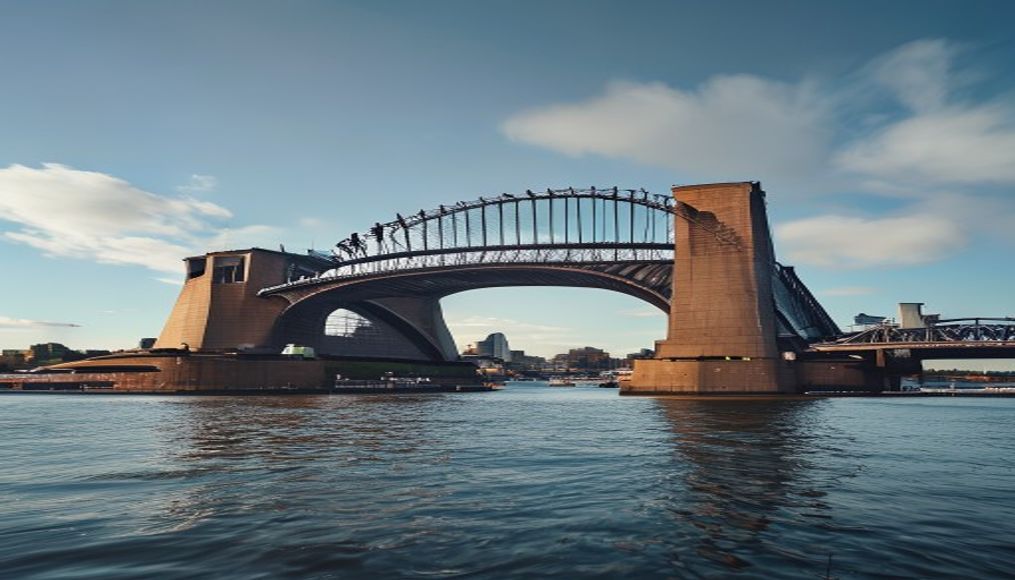
Loch ness scotland
1344×768 · AVIF · CC BY 4.0
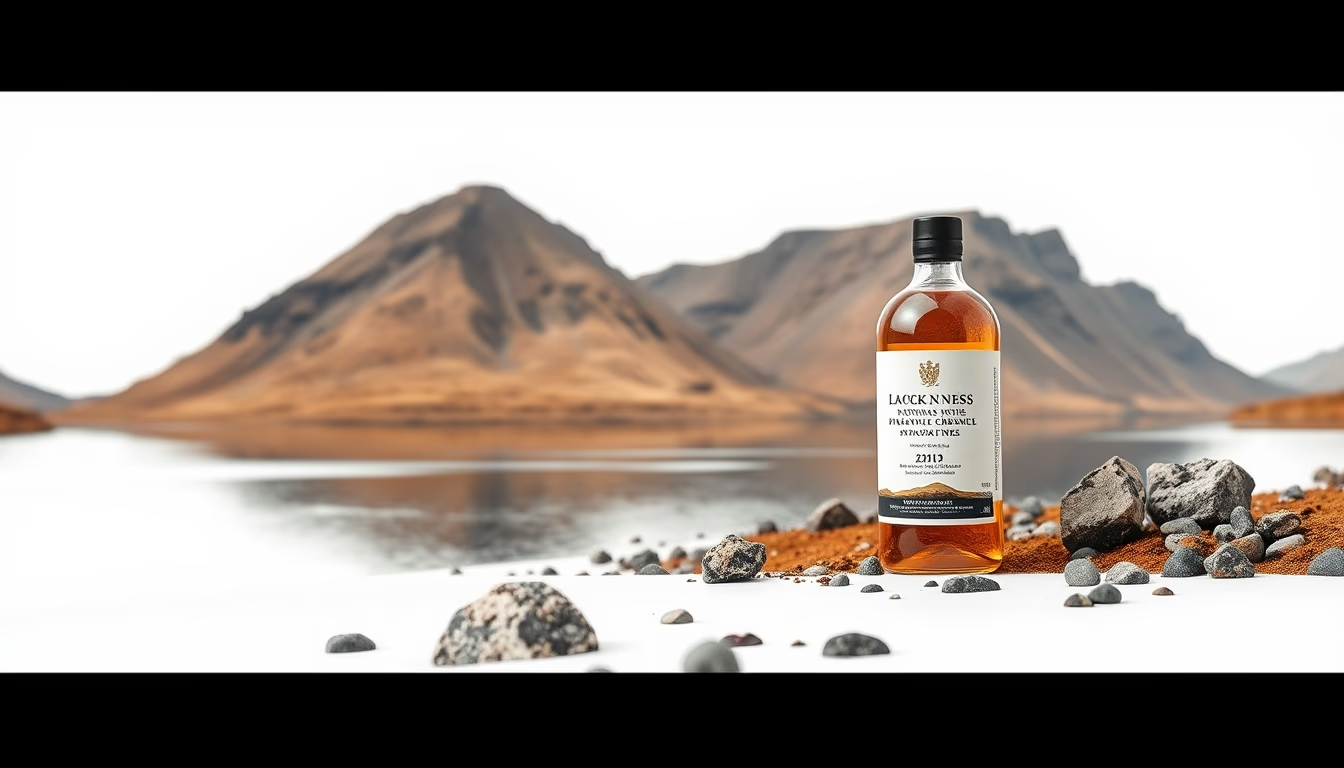
Loch Ness, one of Scotland's most famous lakes, attracts visitors worldwide for its natural beauty and the mystery of the Loch Ness Monster.
About this subject
Loch Ness is a large freshwater lake located in the Scottish Highlands, about 37 kilometers southwest of Inverness. Approximately 56 kilometers long and with a maximum depth of 230 meters, it is the second largest lake in Scotland by volume of water. Its formation dates back to the last ice age, around 10,000 years ago, as part of the Great Glen, a geological fault that cuts across northern Scotland.
The lake is world-famous for the legend of the Loch Ness Monster, popularly known as Nessie. The first modern alleged sighting dates from 1933, when a local newspaper reported an encounter. Since then, numerous scientific expeditions and amateur searches have sought evidence of the creature, using sonar, underwater cameras, and even environmental DNA analysis. In 2018, a study led by Professor Neil Gemmell from the University of Otago collected water samples to catalog life in the lake, finding no evidence of prehistoric reptiles, but plenty of eels, fueling the hypothesis that Nessie could be a giant eel.
Beyond the myth, Loch Ness holds significant ecological and touristic importance. The lake hosts species such as Atlantic salmon, trout, and lamprey. Its dark, murky waters, due to high peat content, limit visibility to a few meters. The surrounding area features historic castles, such as Urquhart Castle, in ruins, dating from the 13th century and the site of battles during the Scottish Wars of Independence. The region attracts around 1.5 million visitors per year, boosting the local economy with boat tours, museums, and visitor centers dedicated to the lake and its legendary inhabitant.
Frequently Asked Questions
What is the maximum depth of Loch Ness?
Loch Ness has a maximum depth of about 230 meters, making it the second largest lake in Scotland by water volume.
Is there scientific evidence for the Loch Ness Monster?
To date, no conclusive evidence has been found. Sonar expeditions and environmental DNA analysis have not detected prehistoric creatures, but have revealed large eel populations that may explain some sightings.
Why are the waters of Loch Ness so dark?
The dark water is caused by high levels of peat from surrounding bogs, reducing visibility to less than a meter in many areas.
Direct URL
https://pub-c7d6a6ea828543ac903a74a341ccb2e1.r2.dev/imagens/loch-ness-scotland-commercial-product-photography-p3.avifHow to credit
Include a visible link back to UtilizAí. Copy one of the snippets below:
<a href="https://xn--utiliza-eza.com/en/midia/imagens/loch-ness-scotland-commercial-product-photography-p3">Loch ness scotland</a> by <a href="https://xn--utiliza-eza.com">UtilizAí</a>, licensed under <a href="https://creativecommons.org/licenses/by/4.0/">CC BY 4.0</a>.
[Loch ness scotland](https://xn--utiliza-eza.com/en/midia/imagens/loch-ness-scotland-commercial-product-photography-p3) by [UtilizAí](https://xn--utiliza-eza.com), CC BY 4.0
License: CC-BY-4.0