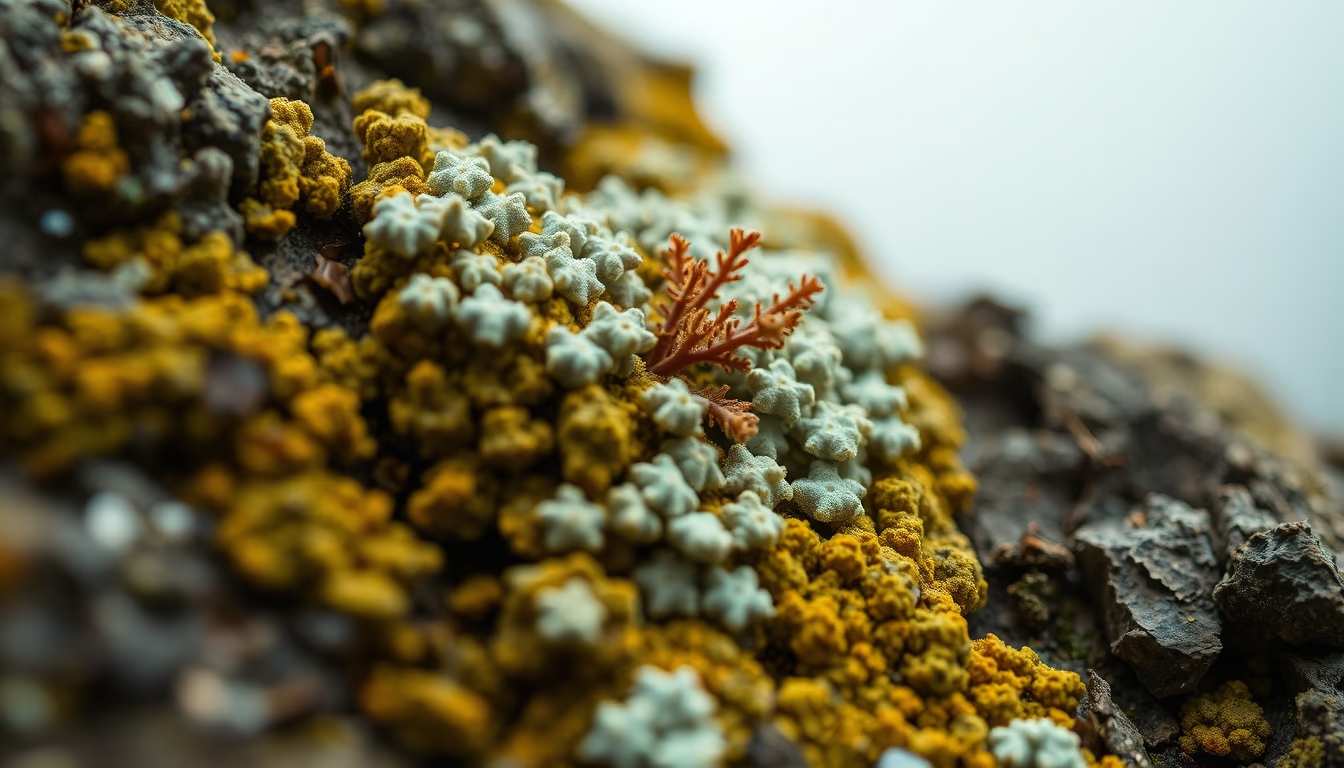
Lichens symbiotic close
1344×768 · AVIF · CC BY 4.0
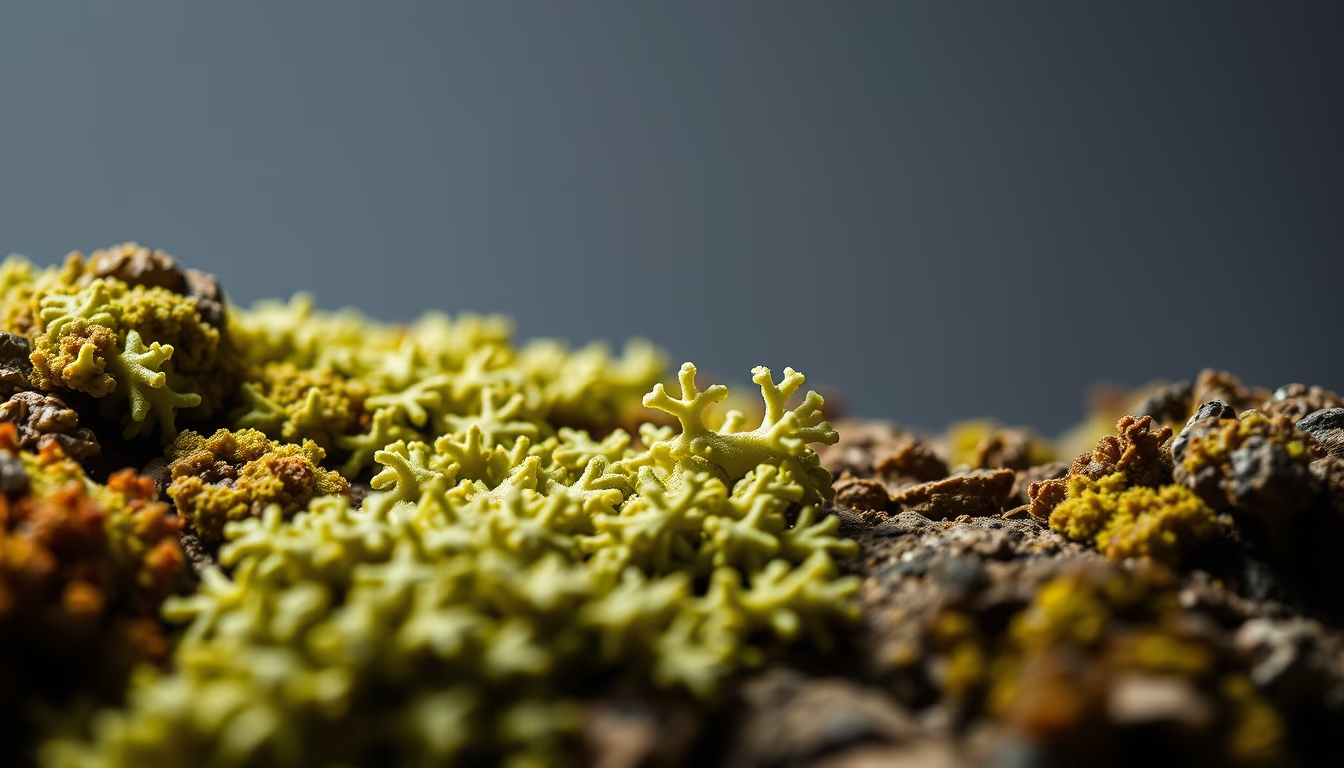
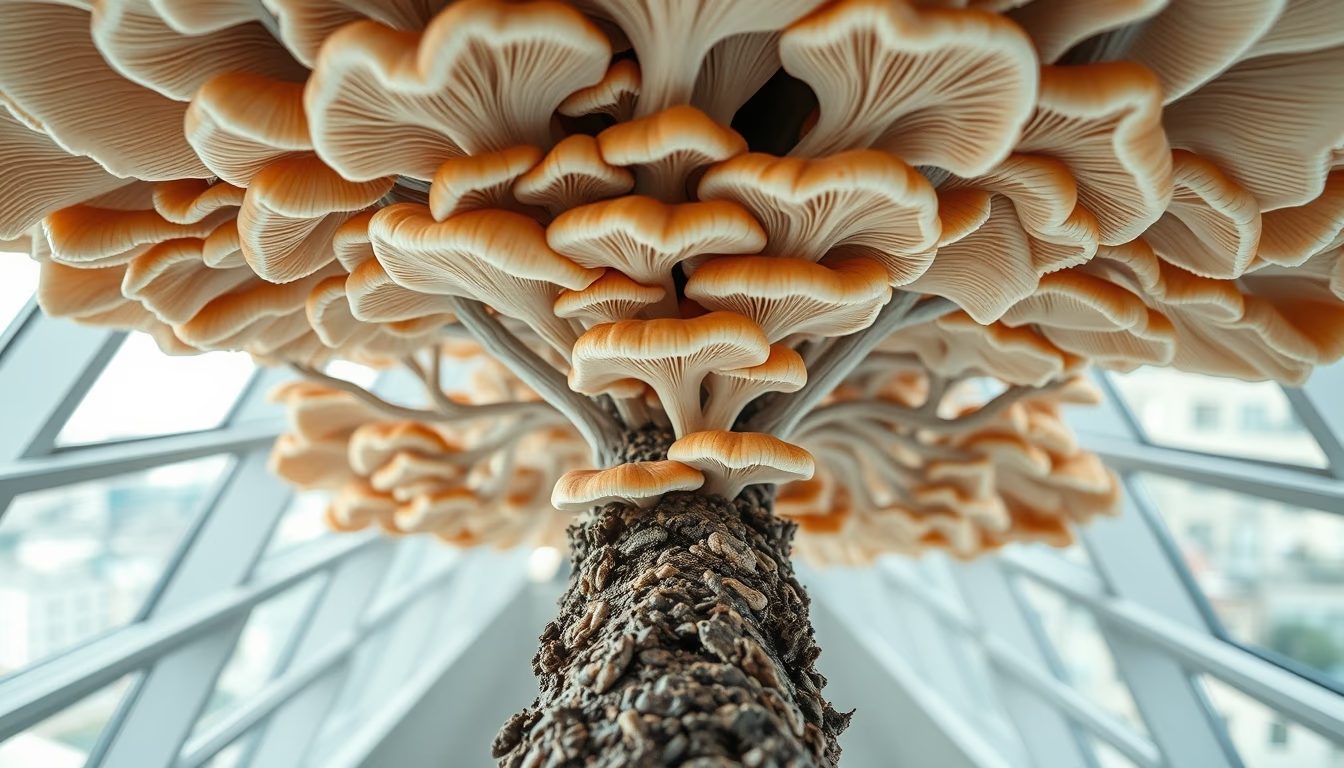
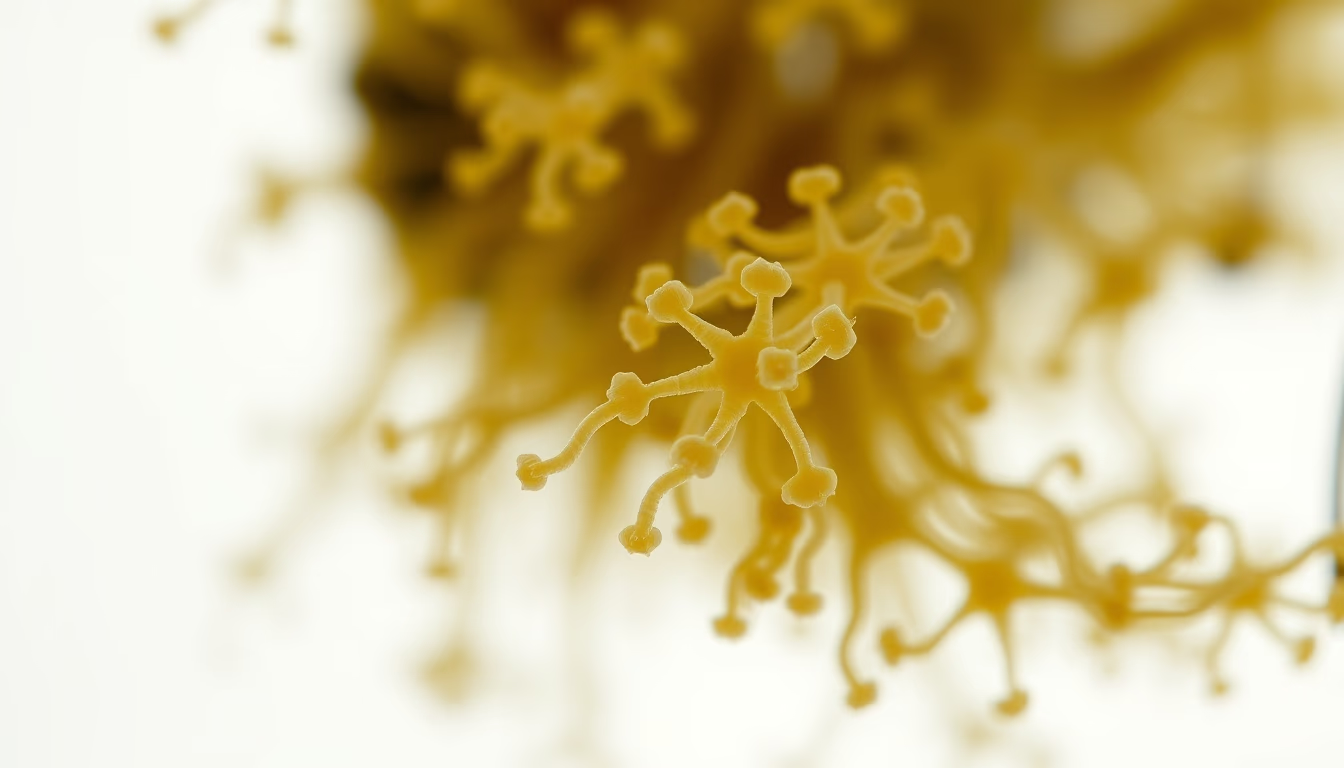
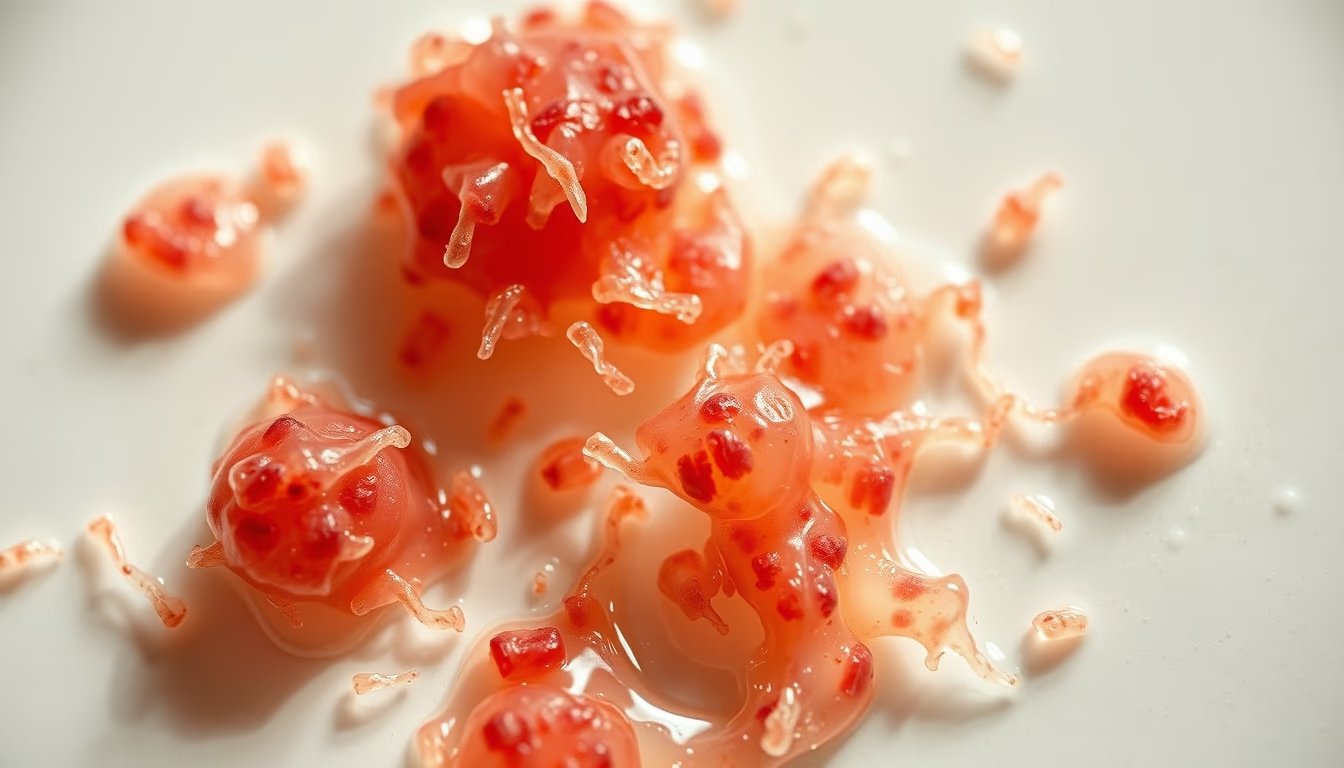
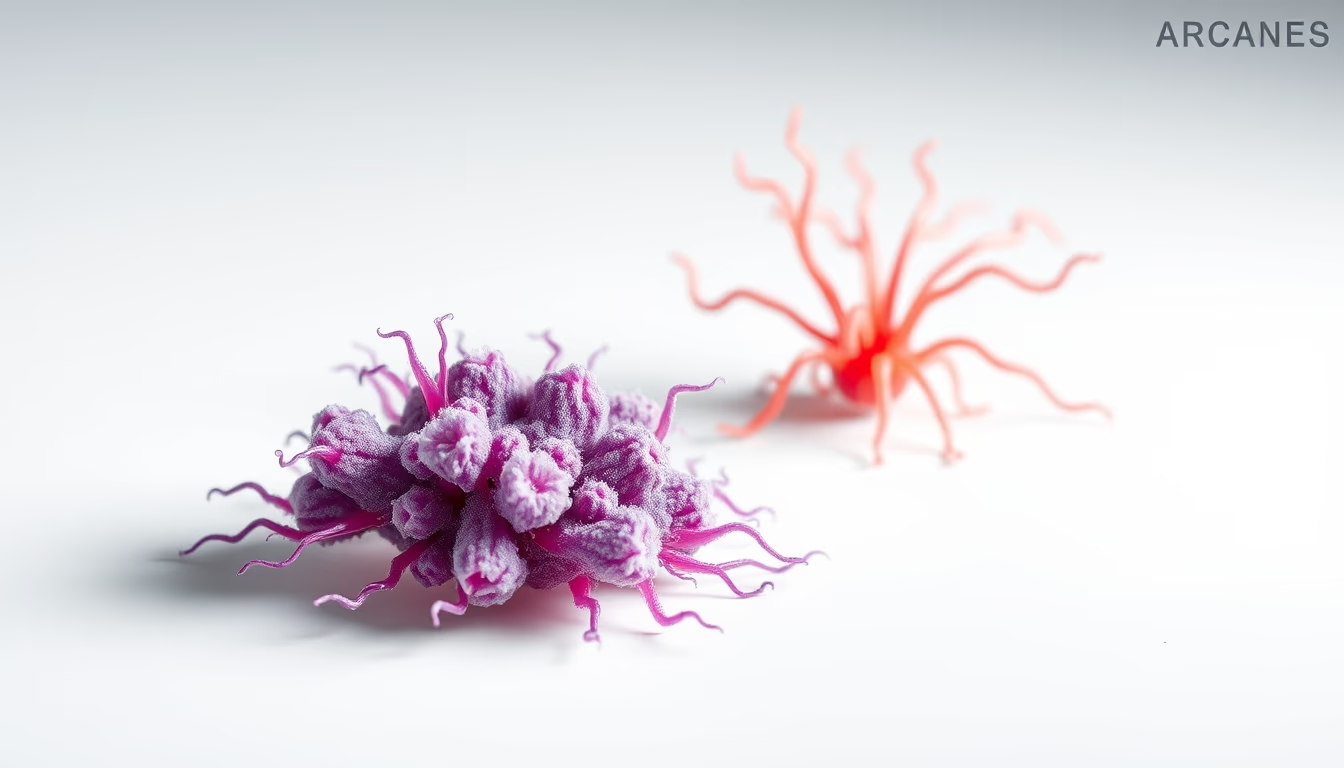
Lichens are organisms resulting from symbiosis between fungi and algae or cyanobacteria, forming unique and resilient structures.
About this subject
Lichens are composite organisms arising from a mutualistic association between a fungus (mycobiont) and one or more photosynthetic partners (photobionts), usually green algae or cyanobacteria. This symbiosis enables lichens to colonize extreme environments such as bare rock, deserts, polar regions, and tree trunks, where neither partner could survive alone. It is estimated that there are about 20,000 lichen species worldwide, distributed across all continents, including Antarctica.
Ecologically, lichens play crucial roles as pioneers in ecological succession, contributing to soil formation by breaking down rocks through lichen acids. They also serve as bioindicators of air quality, being highly sensitive to atmospheric pollution, especially sulfur dioxide. Many lichen species are sources of bioactive compounds with antibiotic and antifungal properties, used in traditional medicine and the pharmaceutical industry.
A remarkable curiosity is that lichens can survive long periods in a desiccated state, resuming metabolic functions rapidly when rehydrated. This ability makes them resistant to UV radiation and the vacuum of space; samples of lichens have been exposed to space conditions on the International Space Station and returned viable. Lichen symbiosis is so successful that some lichens grow only a few millimeters per year, resulting in thalli that can be hundreds or even thousands of years old.
Frequently Asked Questions
How do lichens reproduce?
Lichens reproduce asexually by fragmentation of the thallus, through specialized structures such as soredia (clusters of hyphae and algae) or isidia (small outgrowths of the thallus). Sexual reproduction occurs only in the fungus, which produces spores in apothecia or perithecia; to form a new lichen, the spore must encounter the appropriate photobiont.
Why are lichens considered bioindicators?
Lichens are extremely sensitive to air pollution, especially sulfur dioxide, heavy metals, and ozone. Their absence or reduced diversity in urban areas indicates poor air quality, while great abundance and variety suggest a clean environment. This makes them valuable tools for environmental monitoring.
What is the difference between lichen and moss?
Lichens are fungus-algae symbioses, lacking roots or vascular tissues, and are not plants. Mosses are bryophytes, non-vascular plants with leaf-like and stem-like structures, capable of photosynthesis on their own. Although both grow on similar surfaces, their biology and classification are distinct.
Direct URL
https://pub-c7d6a6ea828543ac903a74a341ccb2e1.r2.dev/imagens/lichens-symbiotic-close-studio-still-life-fresh1.avifHow to credit
Include a visible link back to UtilizAí. Copy one of the snippets below:
<a href="https://xn--utiliza-eza.com/en/midia/imagens/lichens-symbiotic-close-studio-still-life-fresh1">Lichens symbiotic close</a> by <a href="https://xn--utiliza-eza.com">UtilizAí</a>, licensed under <a href="https://creativecommons.org/licenses/by/4.0/">CC BY 4.0</a>.
[Lichens symbiotic close](https://xn--utiliza-eza.com/en/midia/imagens/lichens-symbiotic-close-studio-still-life-fresh1) by [UtilizAí](https://xn--utiliza-eza.com), CC BY 4.0
License: CC-BY-4.0