Lichens symbiotic close
1344×768 · AVIF · CC BY 4.0
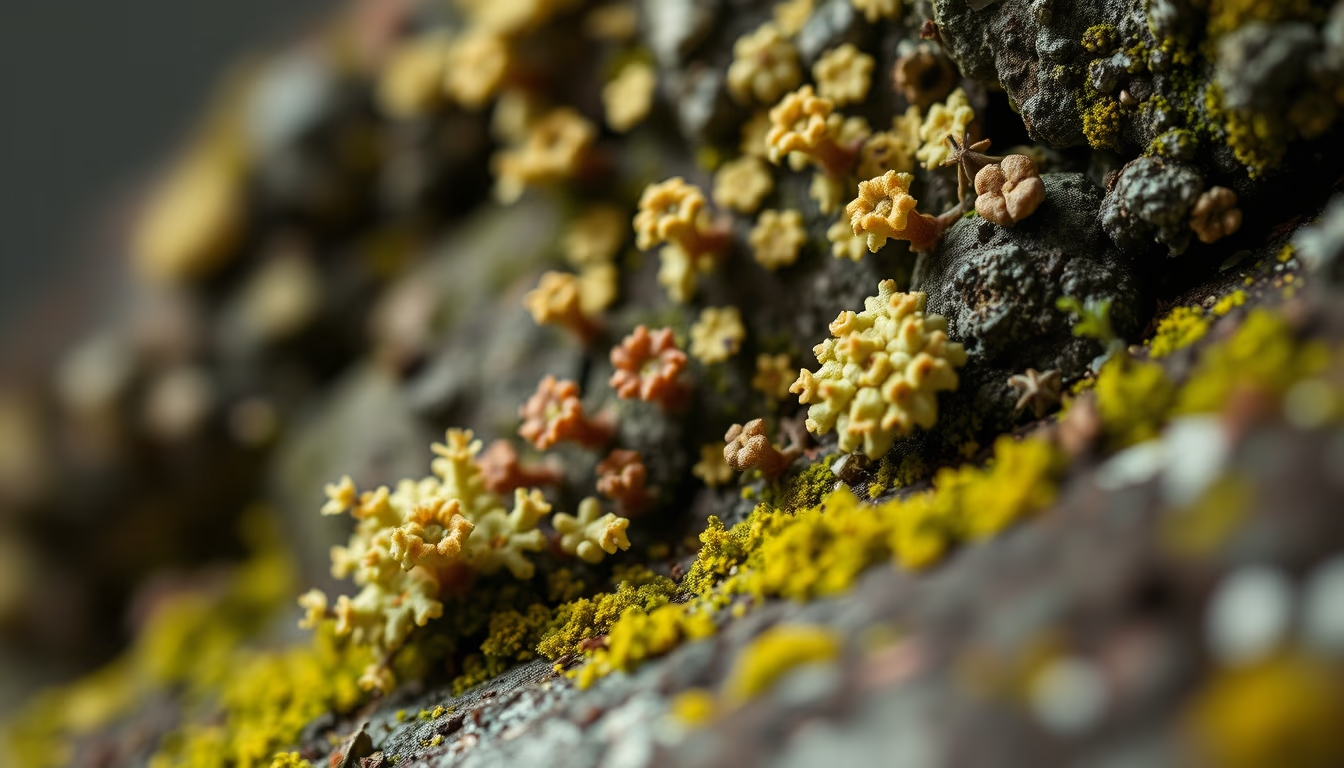
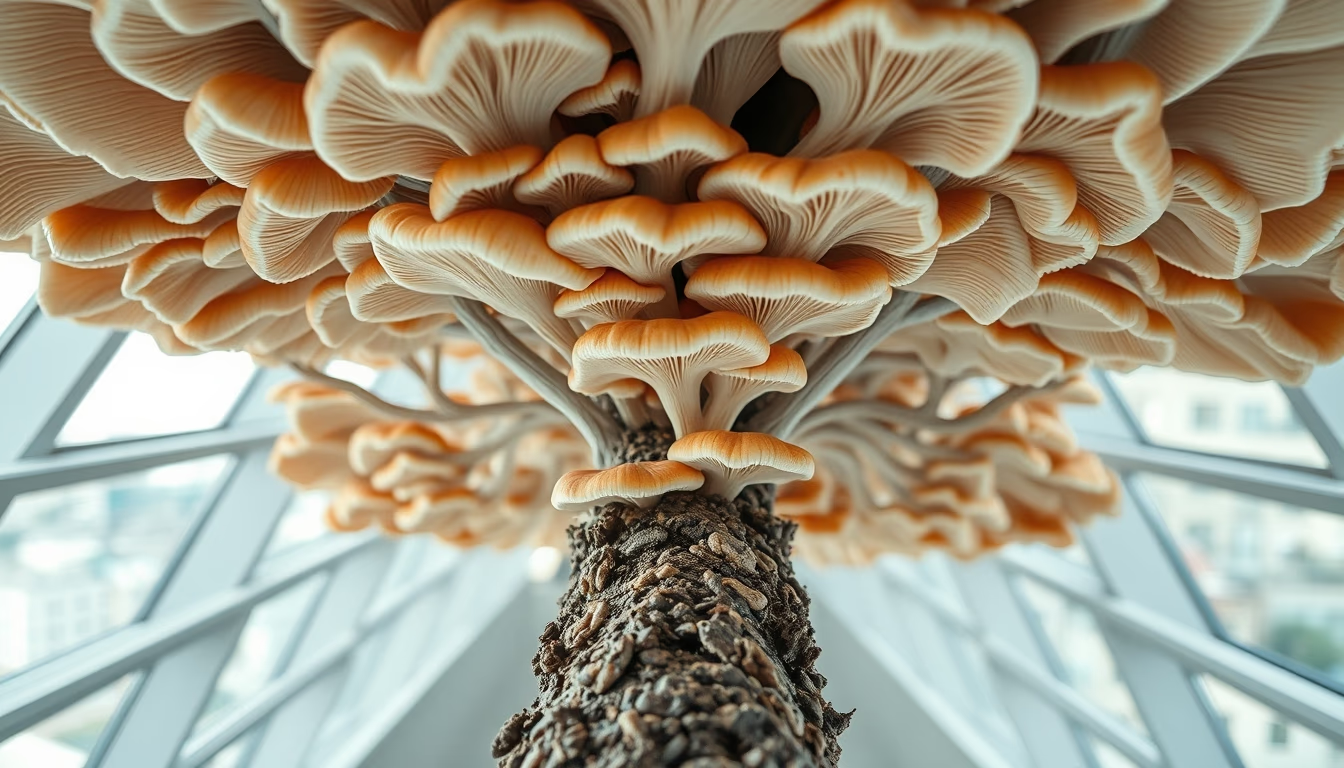
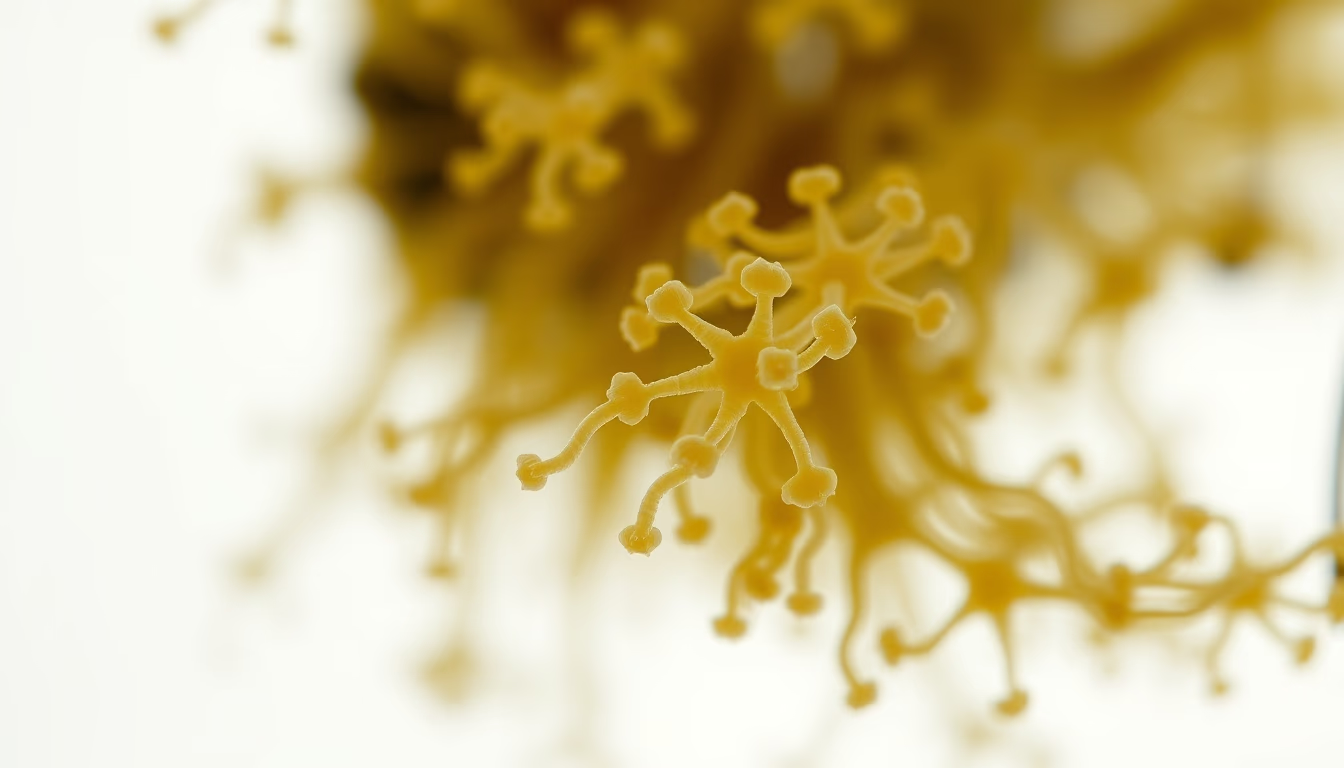
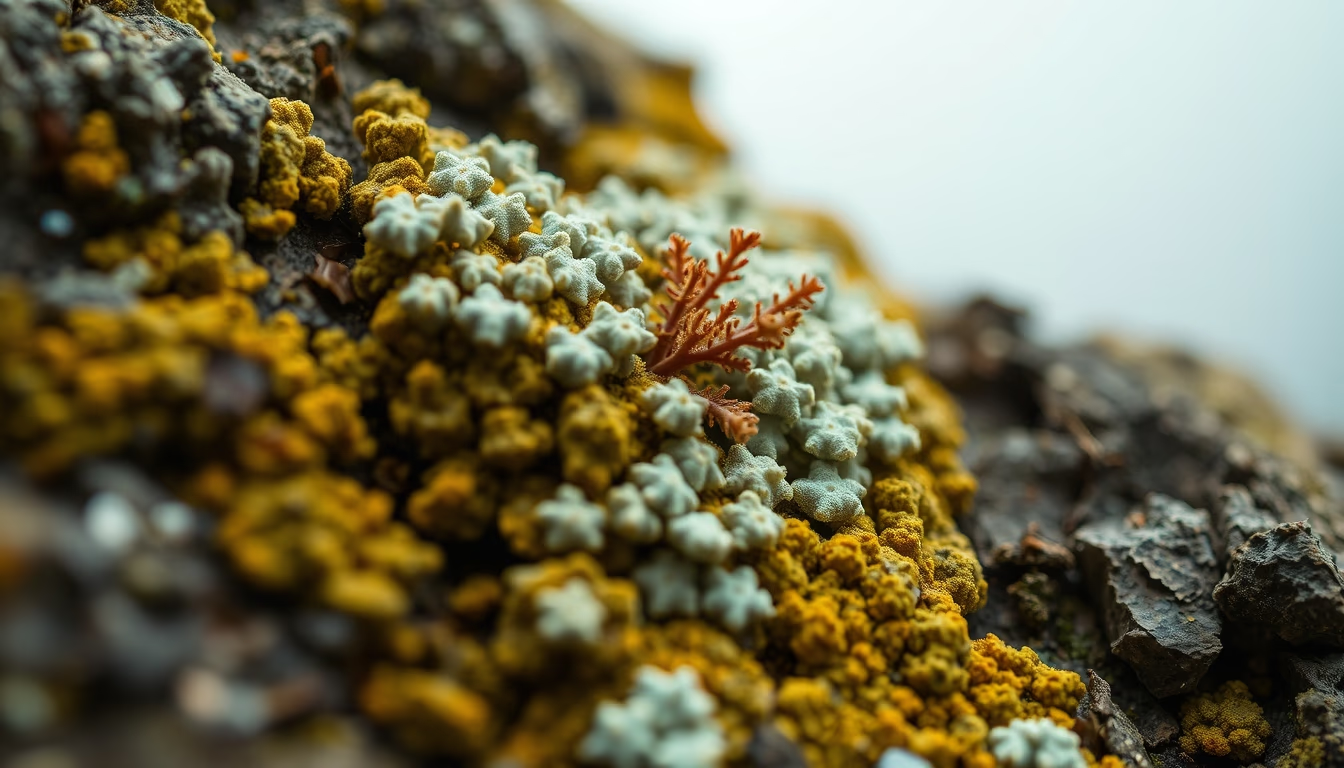
Lichens are organisms resulting from the symbiosis between fungi and algae or cyanobacteria, forming unique structures that colonize various environments.
About this subject
Lichens represent one of nature's most successful symbiotic associations. They consist of a fungus (mycobiont) and one or more photosynthetic partners (photobionts), usually green algae or cyanobacteria. The fungus provides structure and protection, while the photobiont produces carbohydrates through photosynthesis. This partnership allows lichens to survive in extreme conditions such as deserts, tundras, and bare rock surfaces.
There are over 20,000 known lichen species worldwide, distributed across the planet. They are pioneers in colonizing sterile substrates, contributing to soil formation by weathering rocks. Additionally, many animals, including insects and caribou, use lichens as food or shelter. In Brazil, they are found in biomes such as the Amazon, Atlantic Forest, and Cerrado, often on tree trunks and rocks.
A fascinating fact is that lichens are excellent bioindicators of air quality. Because they absorb nutrients and pollutants directly from the atmosphere, they are sensitive to environmental changes. Specific species only grow where the air is clean, and scientists use them to monitor pollution. Another remarkable point: some lichens produce unique acids used in natural dyes and traditional medicine, such as antibiotics and antivirals.
Lichen reproduction can be asexual, through fragmentation or structures called soredia and isidia, or sexual, involving fungal spores that must find the appropriate photobiont. This complexity makes each lichen a self-sustaining microcommunity, with very slow growth rates, some grow only millimeters per year and can live for hundreds or even thousands of years.
Frequently Asked Questions
What is a lichen?
A lichen is an organism resulting from the symbiotic association between a fungus and a photosynthetic partner, such as algae or cyanobacteria. The fungus provides structure and protection, while the partner produces food through photosynthesis.
Where are lichens found?
Lichens are found in almost all terrestrial environments, from polar regions to deserts. In Brazil, they are common on tree trunks, rocks, and soil in biomes like the Amazon, Atlantic Forest, and Cerrado.
Why are lichens important for the environment?
Lichens are bioindicators of air quality because they absorb pollutants. They also contribute to soil formation, serve as food and shelter for animals, and are used in the production of dyes and medicines.
Direct URL
https://pub-c7d6a6ea828543ac903a74a341ccb2e1.r2.dev/imagens/lichens-symbiotic-close-studio-editorial-portrait-fresh9.avifHow to credit
Include a visible link back to UtilizAí. Copy one of the snippets below:
<a href="https://xn--utiliza-eza.com/en/midia/imagens/lichens-symbiotic-close-studio-editorial-portrait-fresh9">Lichens symbiotic close</a> by <a href="https://xn--utiliza-eza.com">UtilizAí</a>, licensed under <a href="https://creativecommons.org/licenses/by/4.0/">CC BY 4.0</a>.
[Lichens symbiotic close](https://xn--utiliza-eza.com/en/midia/imagens/lichens-symbiotic-close-studio-editorial-portrait-fresh9) by [UtilizAí](https://xn--utiliza-eza.com), CC BY 4.0
License: CC-BY-4.0