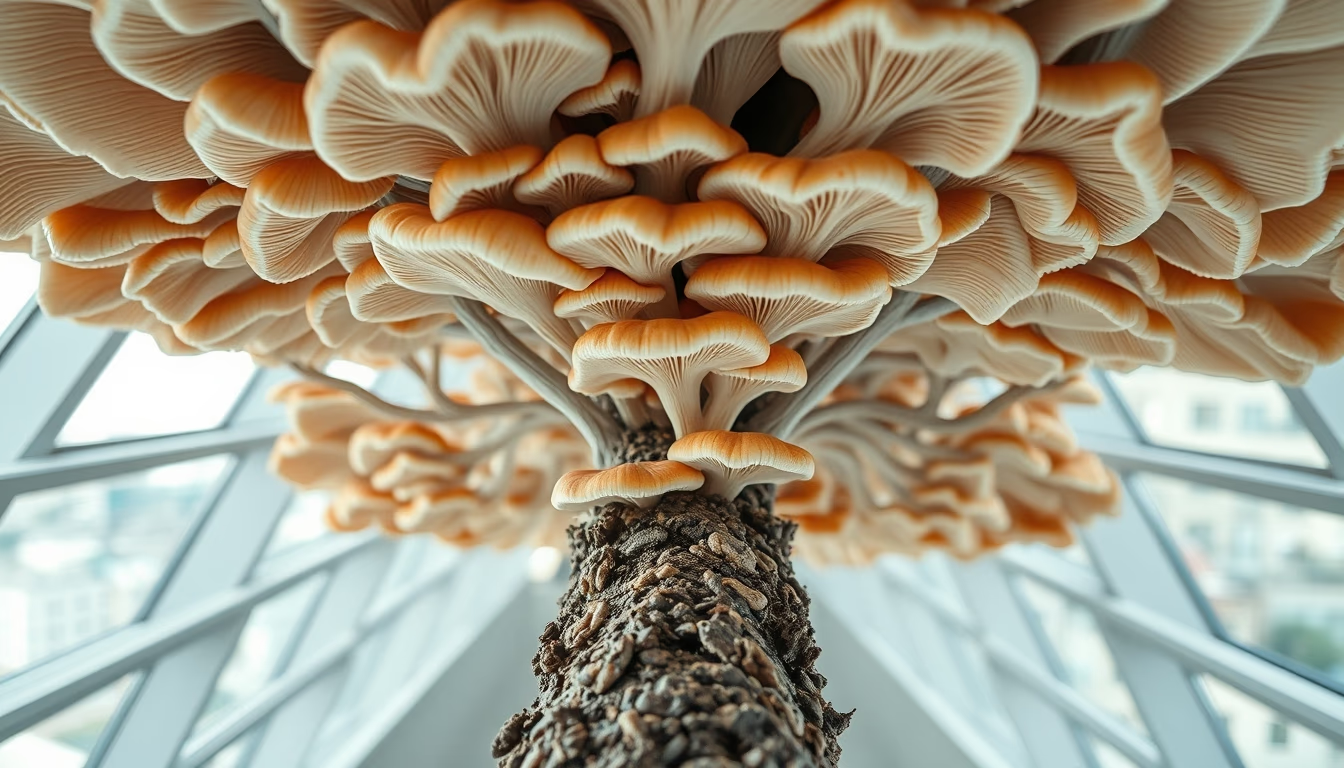
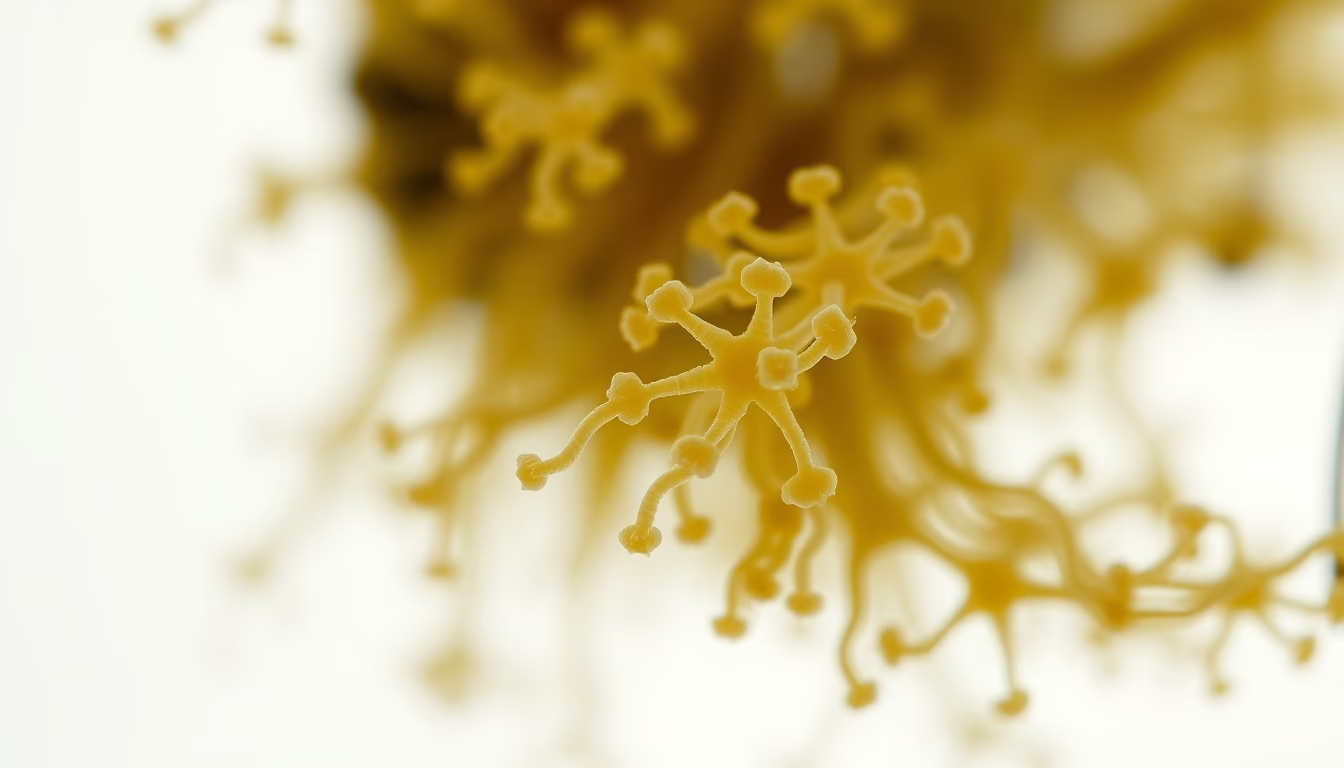
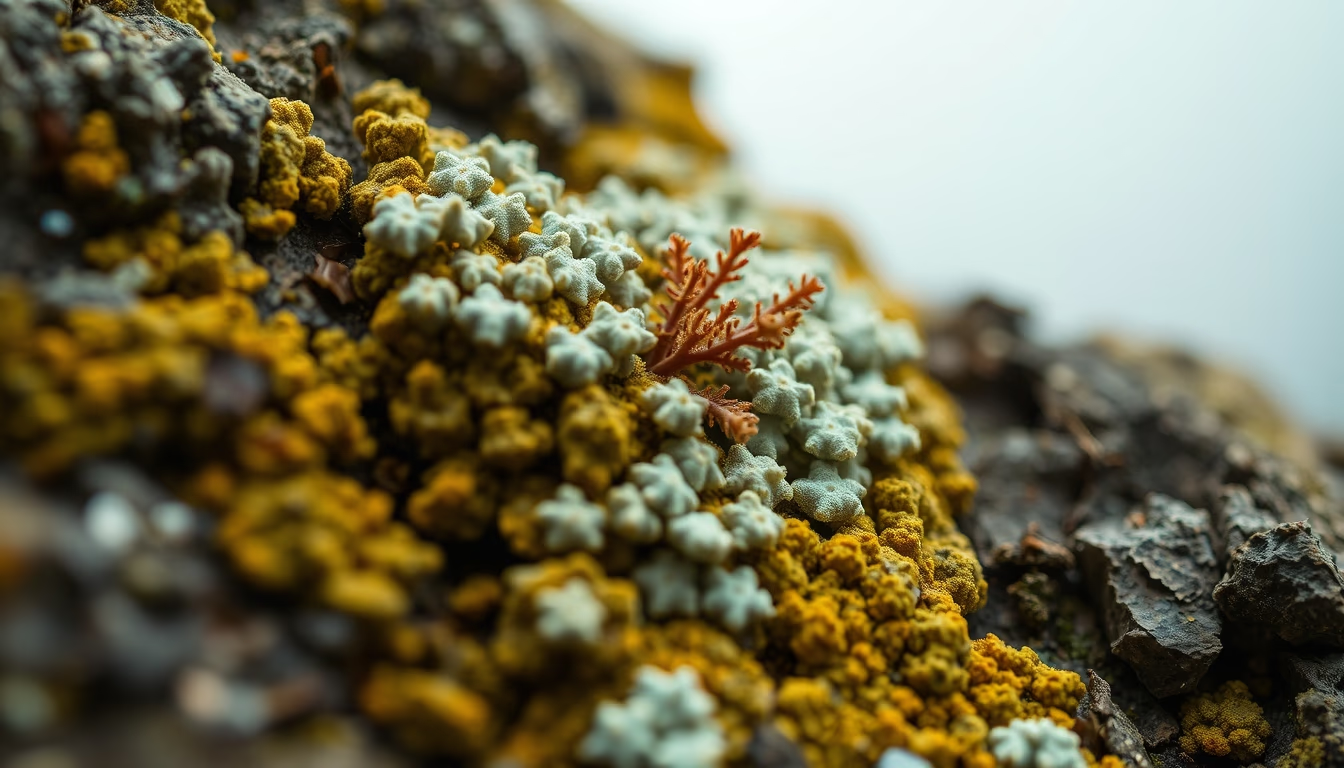
Lichens symbiotic close
1344×768 · AVIF · CC BY 4.0
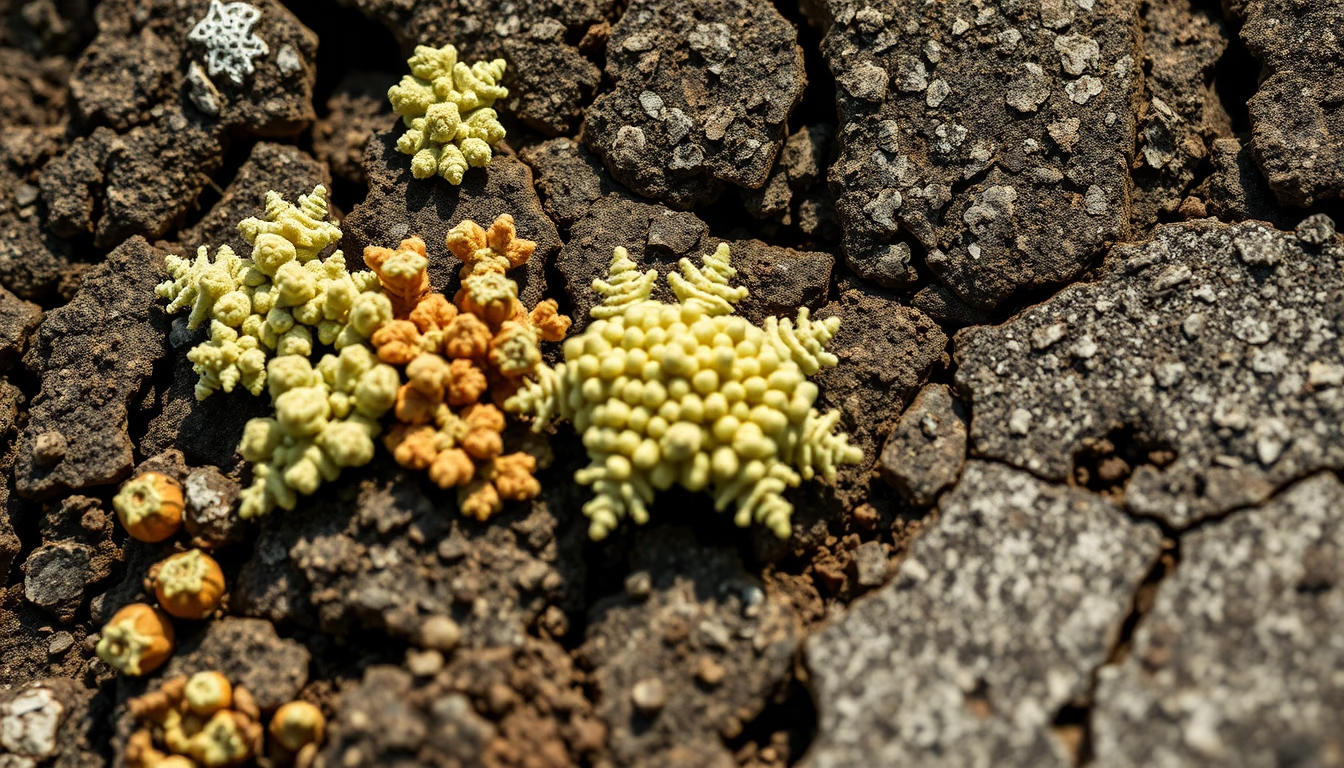
Lichens are symbiotic associations between fungi and algae or cyanobacteria, forming composite organisms with unique characteristics and global ecological importance.
About this subject
Lichens are composite organisms resulting from a mutualistic symbiosis between a fungus (mycobiont) and one or more photosynthetic partners (photobionts), usually green algae or cyanobacteria. This association enables lichens to colonize extreme environments such as bare rock, tree bark, arid soils, and polar regions, where neither partner would survive alone. The fungus provides structure, protection, and absorption of water and nutrients, while the photobiont produces carbohydrates through photosynthesis. Over 20,000 species of lichens have been described, distributed across all continents from hot deserts to Antarctica.
Lichens play crucial ecological roles as bioindicators of air quality, as they are extremely sensitive to atmospheric pollution, especially sulfur dioxide. Many species are pioneers in ecological succession, initiating soil formation by weathering rocks via lichenic acids. Slow growth is a hallmark: some species grow less than 1 mm per year and can live for hundreds or thousands of years, making them useful for surface dating (lichenometry).
Historically, lichens have diverse uses. They were sources of natural dyes, such as litmus used as a pH indicator, and medicinal substances with antibiotic properties. In perfumery, oakmoss (Evernia prunastri) serves as a fragrance fixative. Scientific research explores their bioactive compounds, like usnic acid, with potential antitumor and antiviral activity. Their ability to survive in space conditions was tested in experiments on the International Space Station, revealing resistance to radiation and vacuum.
Lichen taxonomy is based primarily on the fungus, as the same photobiont may occur in different species. Morphologically, they can be crustose (adherent to substrate), foliose (leaf-like), or fruticose (shrubby). Each form reflects environmental adaptations. Lichens are also sensitive to climate change and pollutants, serving as sentinels of ecosystem health. In tropical regions, lichen diversity is high but threatened by deforestation and pollution. Bioprospecting studies seek new molecules of biotechnological interest.
Frequently Asked Questions
What are lichens?
Lichens are composite organisms formed by a symbiotic association between a fungus and algae or cyanobacteria. The fungus provides structure and protection, while the photosynthetic partner produces food.
Why are lichens important for the environment?
They are bioindicators of air quality, sensitive to pollution, and act as pioneer species in soil formation. They also provide shelter and food for various organisms.
Can lichens be used in industry?
Yes. Historically used as natural dyes and in perfumery, they are now sources of bioactive compounds with pharmaceutical potential, such as usnic acid, which has antibiotic properties.
Direct URL
https://pub-c7d6a6ea828543ac903a74a341ccb2e1.r2.dev/imagens/lichens-symbiotic-close-minimalist-composition-fresh12.avifHow to credit
Include a visible link back to UtilizAí. Copy one of the snippets below:
<a href="https://xn--utiliza-eza.com/en/midia/imagens/lichens-symbiotic-close-minimalist-composition-fresh12">Lichens symbiotic close</a> by <a href="https://xn--utiliza-eza.com">UtilizAí</a>, licensed under <a href="https://creativecommons.org/licenses/by/4.0/">CC BY 4.0</a>.
[Lichens symbiotic close](https://xn--utiliza-eza.com/en/midia/imagens/lichens-symbiotic-close-minimalist-composition-fresh12) by [UtilizAí](https://xn--utiliza-eza.com), CC BY 4.0
License: CC-BY-4.0