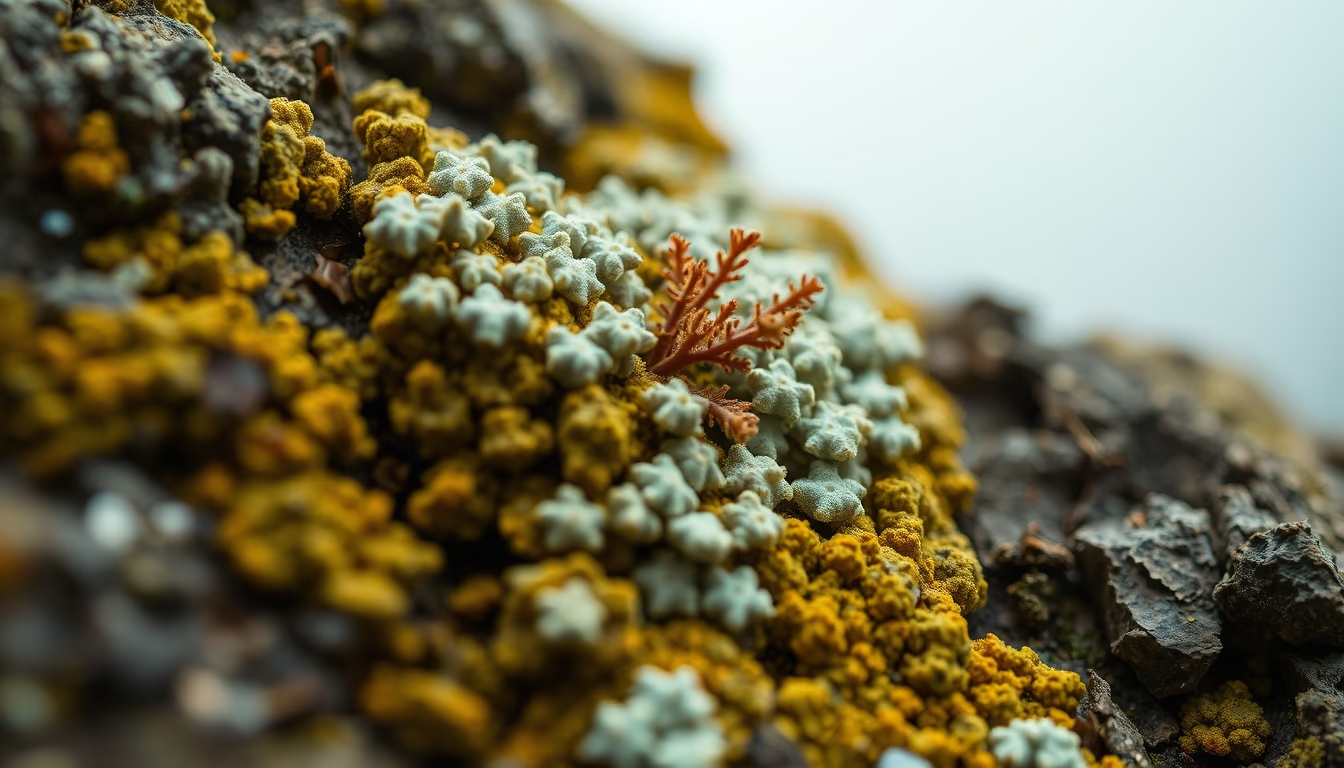
Lichens symbiotic close
1344×768 · AVIF · CC BY 4.0
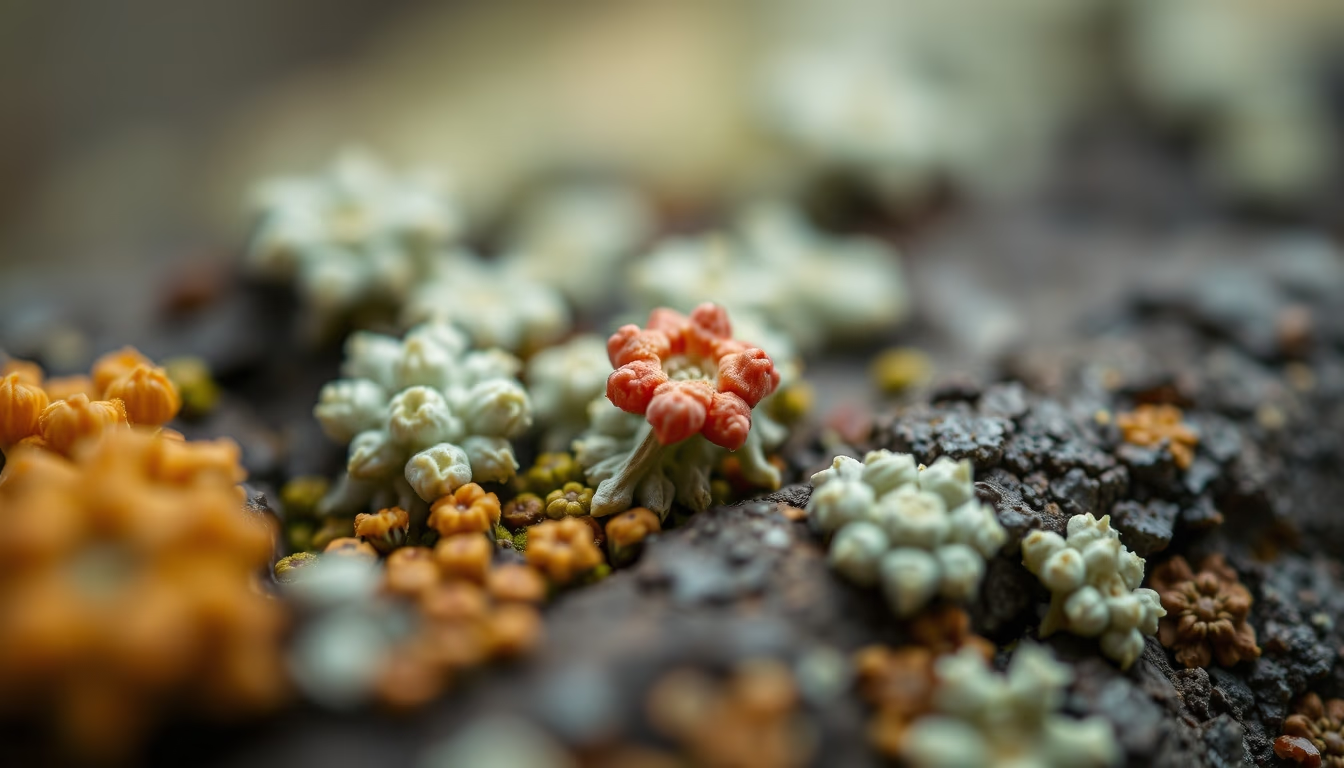
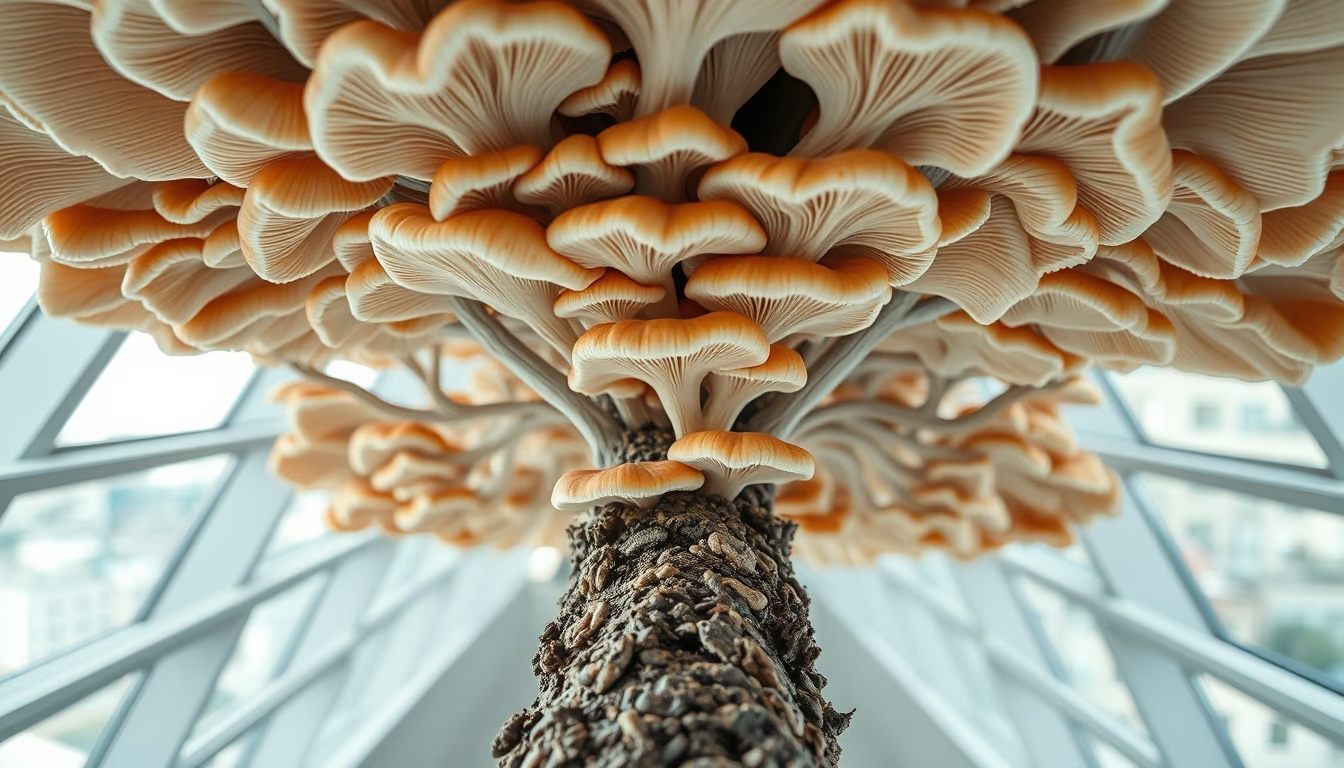
Lichens are a symbiotic association between fungi and algae or cyanobacteria, forming resilient organisms that colonize diverse surfaces.
About this subject
Lichens are not plants but symbiotic associations between a fungus (mycobiont) and one or more photosynthetic organisms (photobiont), such as green algae or cyanobacteria. The fungus provides structure, protection, and minerals, while the photobiont produces carbohydrates through photosynthesis. There are an estimated 20,000 lichen species worldwide.
These organisms are extremophiles, thriving in harsh environments like bare rocks, tree bark, soil, deserts, and polar regions. Their ability to survive extreme conditions makes them pioneers in ecological succession, paving the way for other plants.
Ecologically, lichens are crucial as bioindicators of air pollution, especially sensitive to sulfur dioxide. Their presence indicates clean air. They are also used in dyes, perfumes, and medicines, such as usnic acid with antibiotic properties. Some lichens, like Iceland moss, are edible in survival situations.
Lichens grow very slowly, a few millimeters per year, and can live for centuries. They reproduce mainly through fragmentation (soredia or isidia), which contain both symbionts, ensuring the continuation of the symbiosis. The relationship is generally mutualistic, though in some cases the fungus may parasitize the photobiont.
Frequently Asked Questions
What exactly are lichens?
Lichens are symbiotic associations between a fungus (mycobiont) and one or more photosynthetic organisms (photobiont), such as green algae or cyanobacteria. They are neither plants nor isolated fungi.
How do lichens reproduce?
They can reproduce asexually through fragments (soredia or isidia) that contain both symbionts, or sexually by the fungus producing spores that must find a compatible photobiont.
Why are lichens considered bioindicators?
Because they are very sensitive to air pollution, especially sulfur dioxide. The presence or absence of lichens in an area indicates air quality.
Direct URL
https://pub-c7d6a6ea828543ac903a74a341ccb2e1.r2.dev/imagens/lichens-symbiotic-close-macro-closeup-fresh11.avifHow to credit
Include a visible link back to UtilizAí. Copy one of the snippets below:
<a href="https://xn--utiliza-eza.com/en/midia/imagens/lichens-symbiotic-close-macro-closeup-fresh11">Lichens symbiotic close</a> by <a href="https://xn--utiliza-eza.com">UtilizAí</a>, licensed under <a href="https://creativecommons.org/licenses/by/4.0/">CC BY 4.0</a>.
[Lichens symbiotic close](https://xn--utiliza-eza.com/en/midia/imagens/lichens-symbiotic-close-macro-closeup-fresh11) by [UtilizAí](https://xn--utiliza-eza.com), CC BY 4.0
License: CC-BY-4.0