Lichens symbiotic close
1344×768 · AVIF · CC BY 4.0
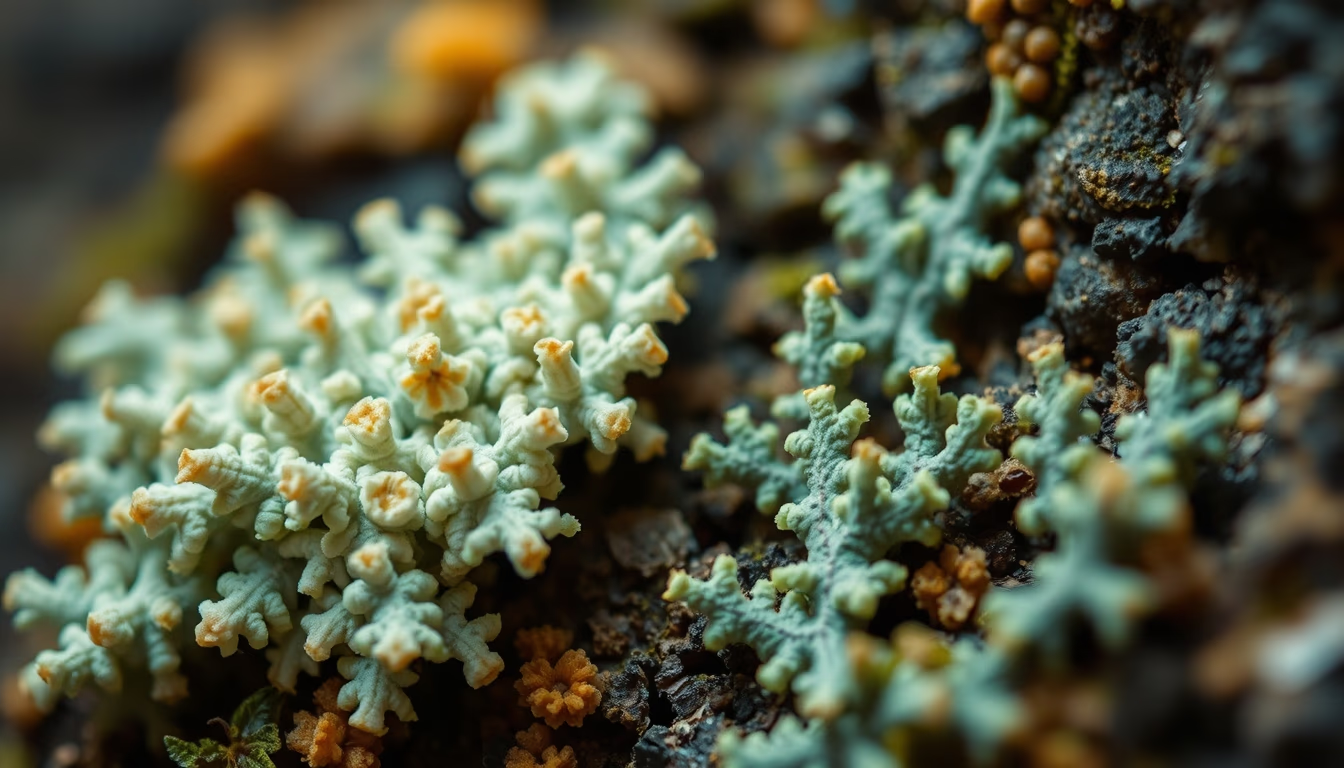
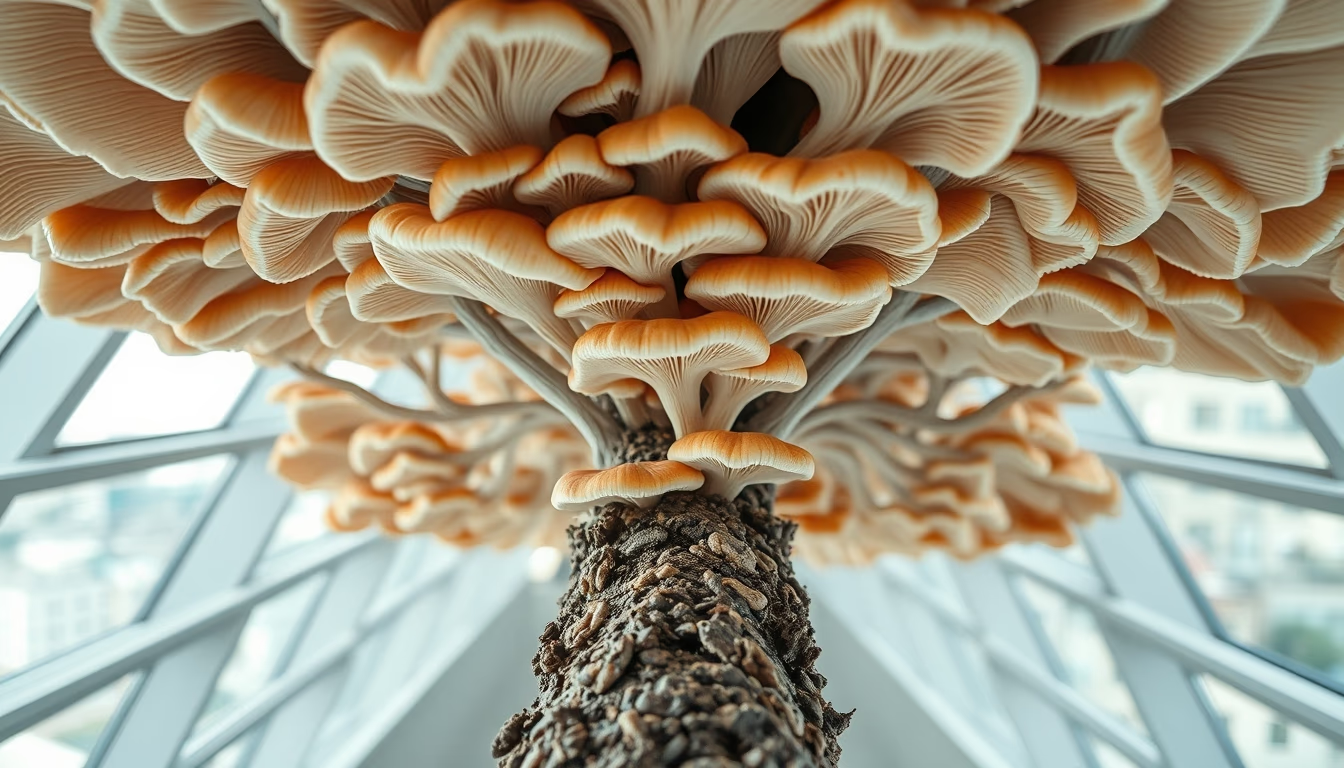
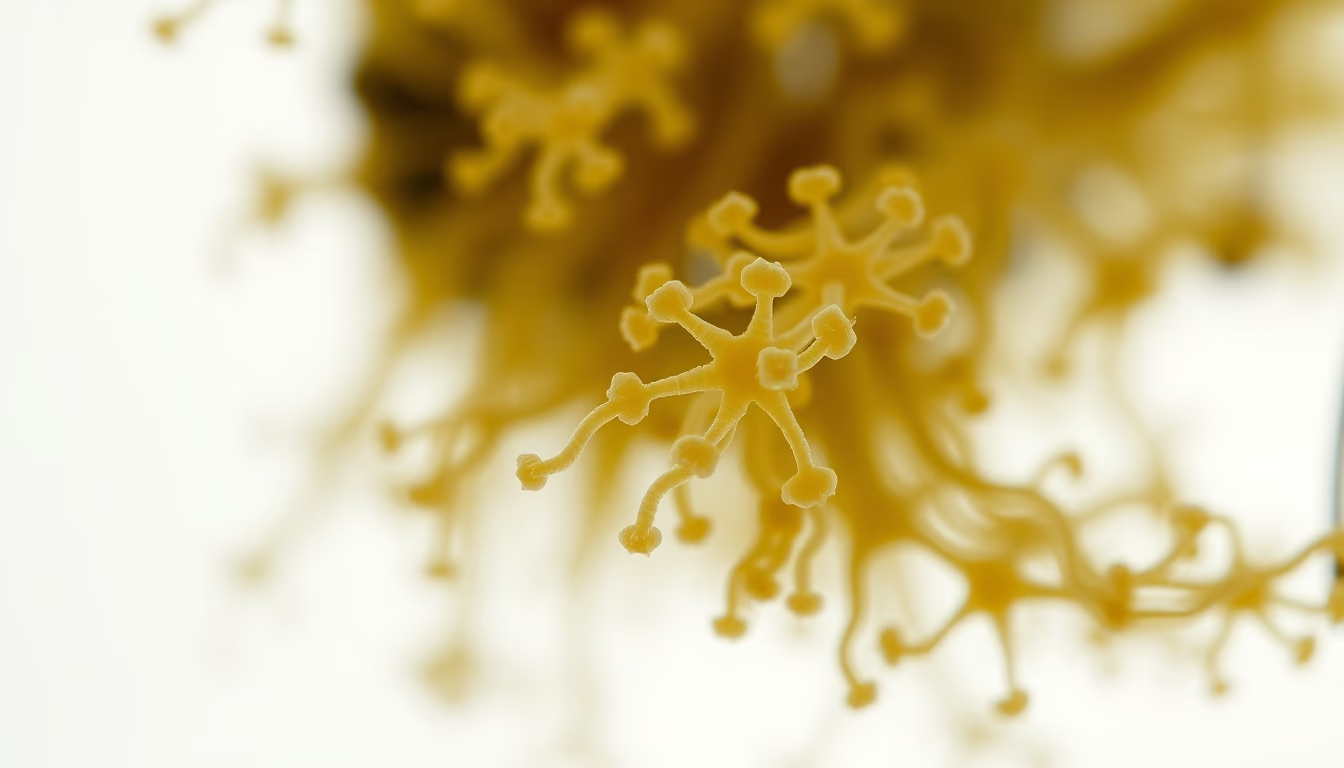
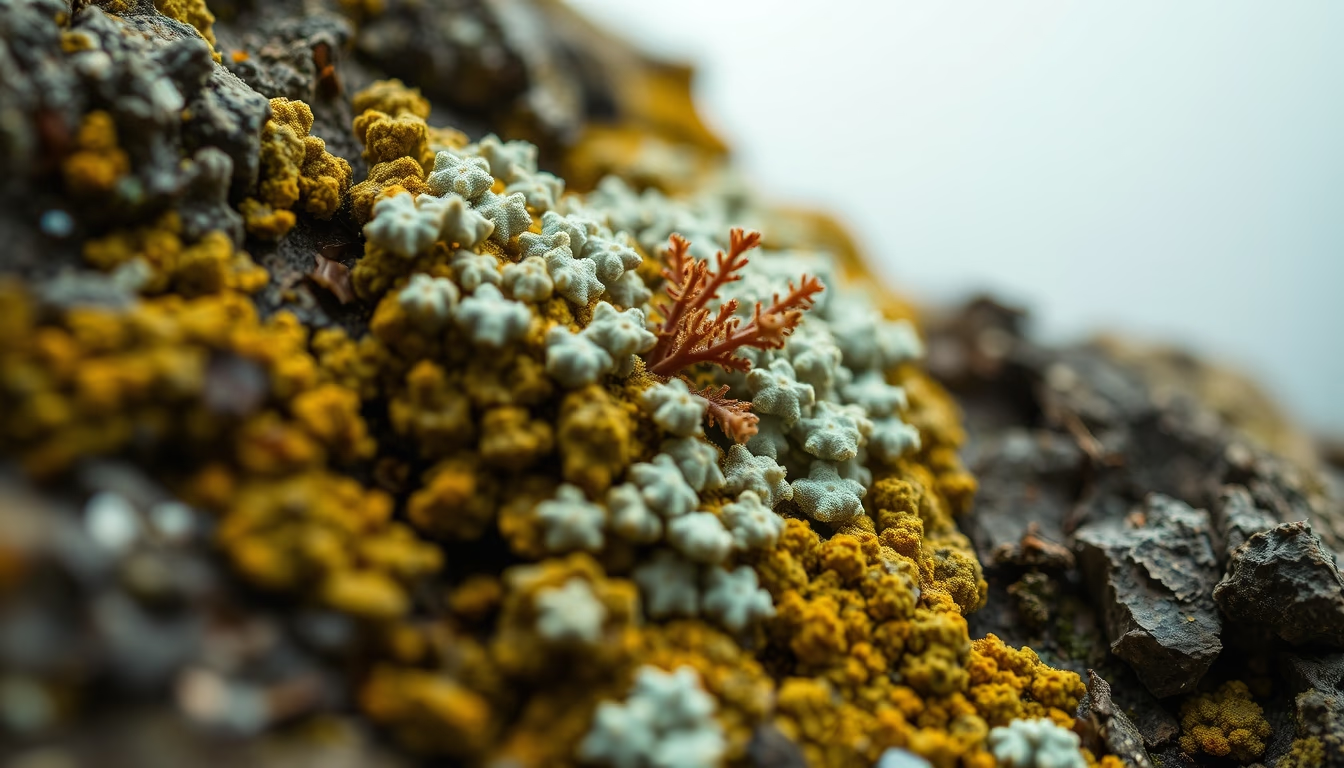
Lichens are organisms resulting from symbiosis between fungi and algae or cyanobacteria, forming unique and resilient structures that can colonize extreme environments.
About this subject
Lichens represent a stable symbiotic association between a fungus (mycobiont) and one or more photosynthetic partners (photobionts), usually green algae or cyanobacteria. This mutualistic relationship allows the fungus to obtain organic carbon from photosynthesis, while the photobiont is protected from desiccation and receives mineral nutrients. There are approximately 20,000 lichen species worldwide, distributed across all continents, from arid deserts to polar regions.
Lichens grow slowly and are extremely tolerant to harsh conditions such as extreme temperatures, UV radiation, and desiccation. They secrete lichen acids that break down rocks, contributing to soil formation. Due to their sensitivity to air pollution, especially sulfur dioxide, they are used as bioindicators of air quality. Additionally, they provide shelter and food for various invertebrates and are consumed by mammals like reindeer and caribou.
Historically, lichens have been used by human cultures for dyeing textiles, producing pigments, in traditional medicine, and even as food during scarcity. The species Roccella tinctoria is known for providing litmus, used as a pH indicator. In the perfume industry, some species like Evernia prunastri (oakmoss) serve as fragrance fixatives.
Lichen reproduction can be asexual, by fragmentation or specialized structures such as soredia and isidia, or sexual, involving the formation of fungal spores. Lichen taxonomy is based on the fungus, as the same fungus can form lichens with different photobionts. Recent genomic studies are revealing details of the molecular interaction between symbiotic partners.
Frequently Asked Questions
What are lichens?
Lichens are organisms formed by a symbiotic association between a fungus and algae or cyanobacteria. This mutualistic relationship allows them to survive in harsh environments and play important ecological roles such as soil formation and bioindication of air quality.
How do lichens reproduce?
Lichens can reproduce asexually by fragmentation or via specialized structures like soredia and isidia, which disperse both symbionts. Sexual reproduction also occurs, with the fungus producing spores that, upon germination, must find a suitable photobiont to form a new lichen.
Why are lichens important for the environment?
Lichens contribute to soil formation by breaking down rocks, provide food and habitat for various animals, and are excellent bioindicators of air pollution, especially sulfur dioxide. Additionally, they fix nitrogen (when the photobiont is a cyanobacterium) and play roles in biogeochemical cycles.
Direct URL
https://pub-c7d6a6ea828543ac903a74a341ccb2e1.r2.dev/imagens/lichens-symbiotic-close-lo-fi-disposable-camera-fresh0.avifHow to credit
Include a visible link back to UtilizAí. Copy one of the snippets below:
<a href="https://xn--utiliza-eza.com/en/midia/imagens/lichens-symbiotic-close-lo-fi-disposable-camera-fresh0">Lichens symbiotic close</a> by <a href="https://xn--utiliza-eza.com">UtilizAí</a>, licensed under <a href="https://creativecommons.org/licenses/by/4.0/">CC BY 4.0</a>.
[Lichens symbiotic close](https://xn--utiliza-eza.com/en/midia/imagens/lichens-symbiotic-close-lo-fi-disposable-camera-fresh0) by [UtilizAí](https://xn--utiliza-eza.com), CC BY 4.0
License: CC-BY-4.0