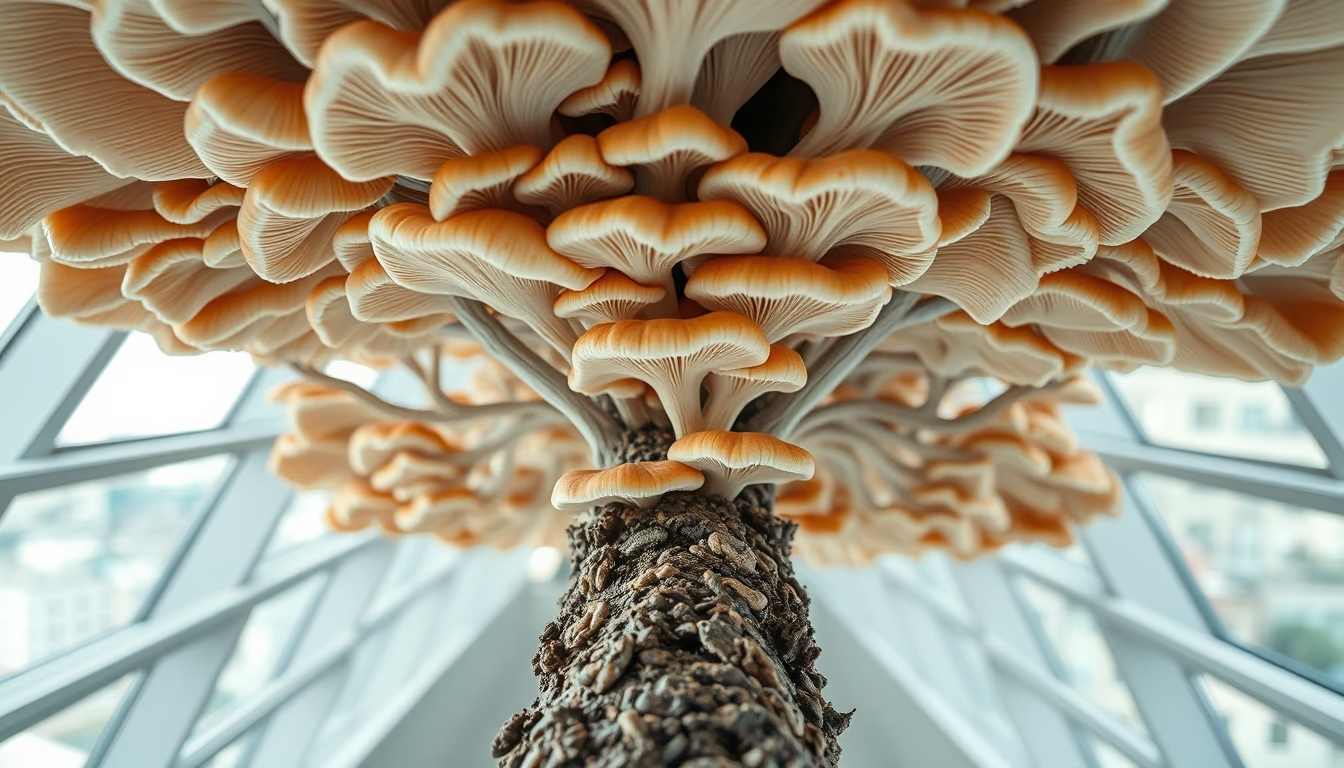
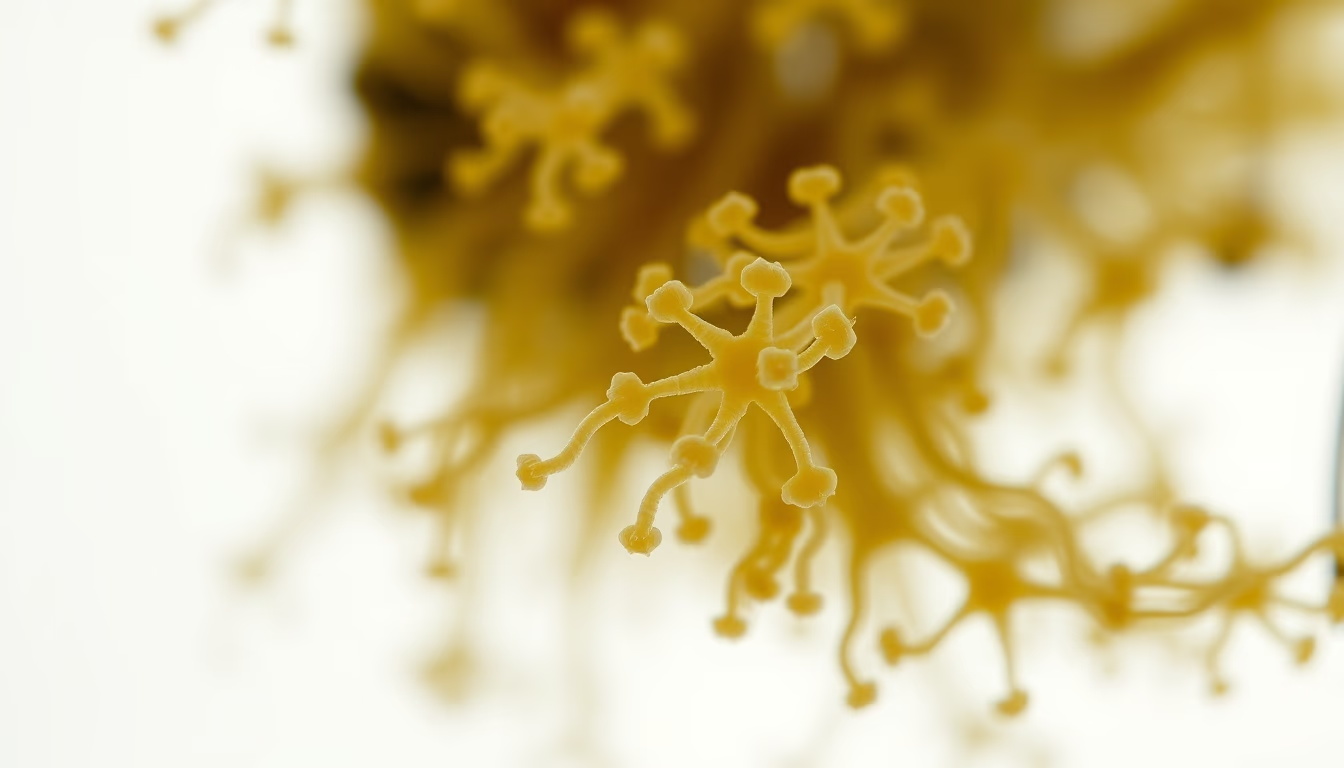
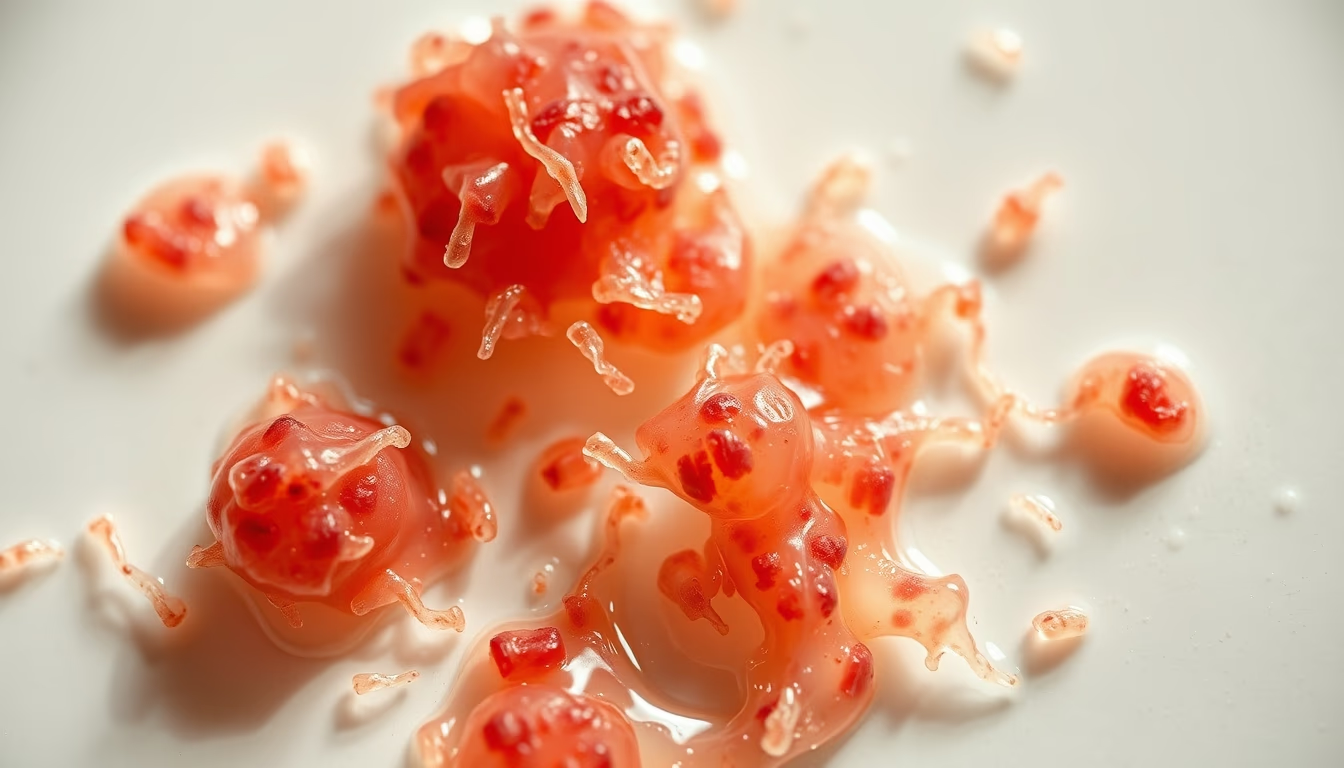
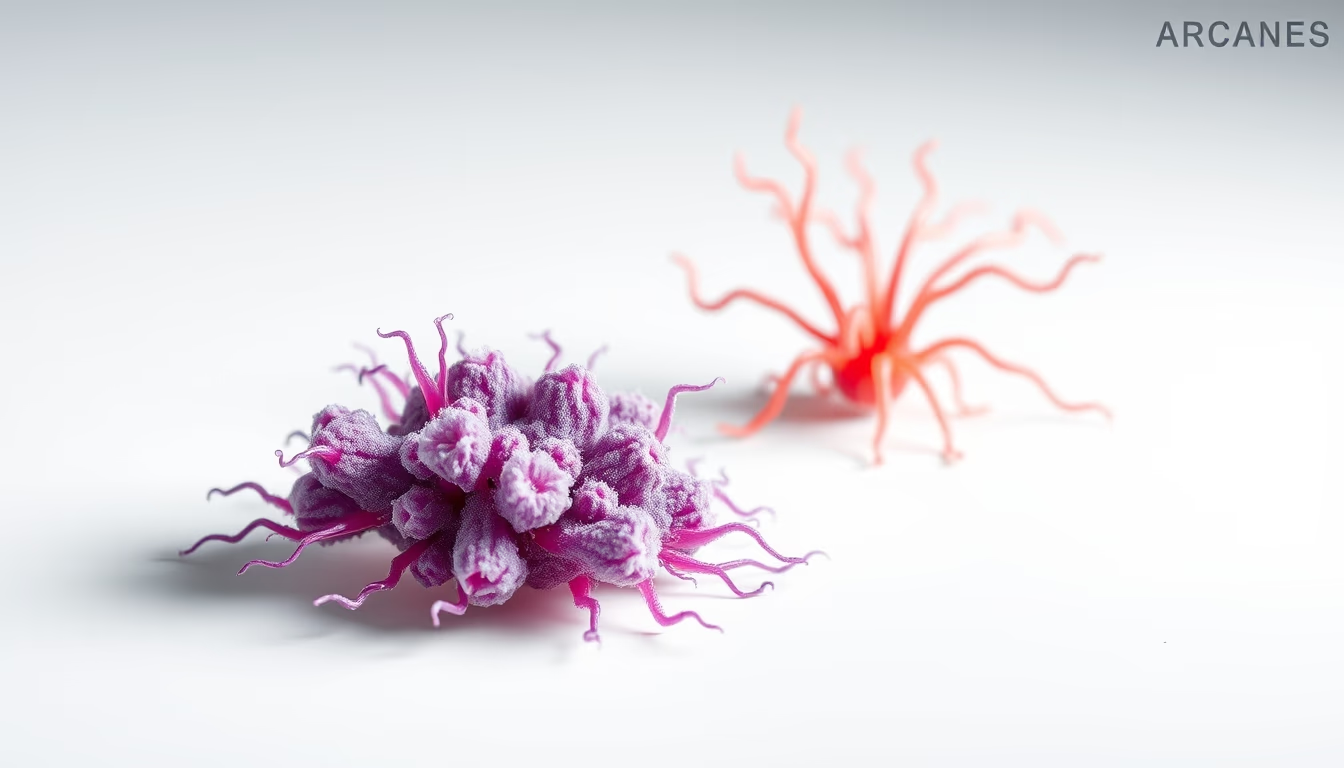
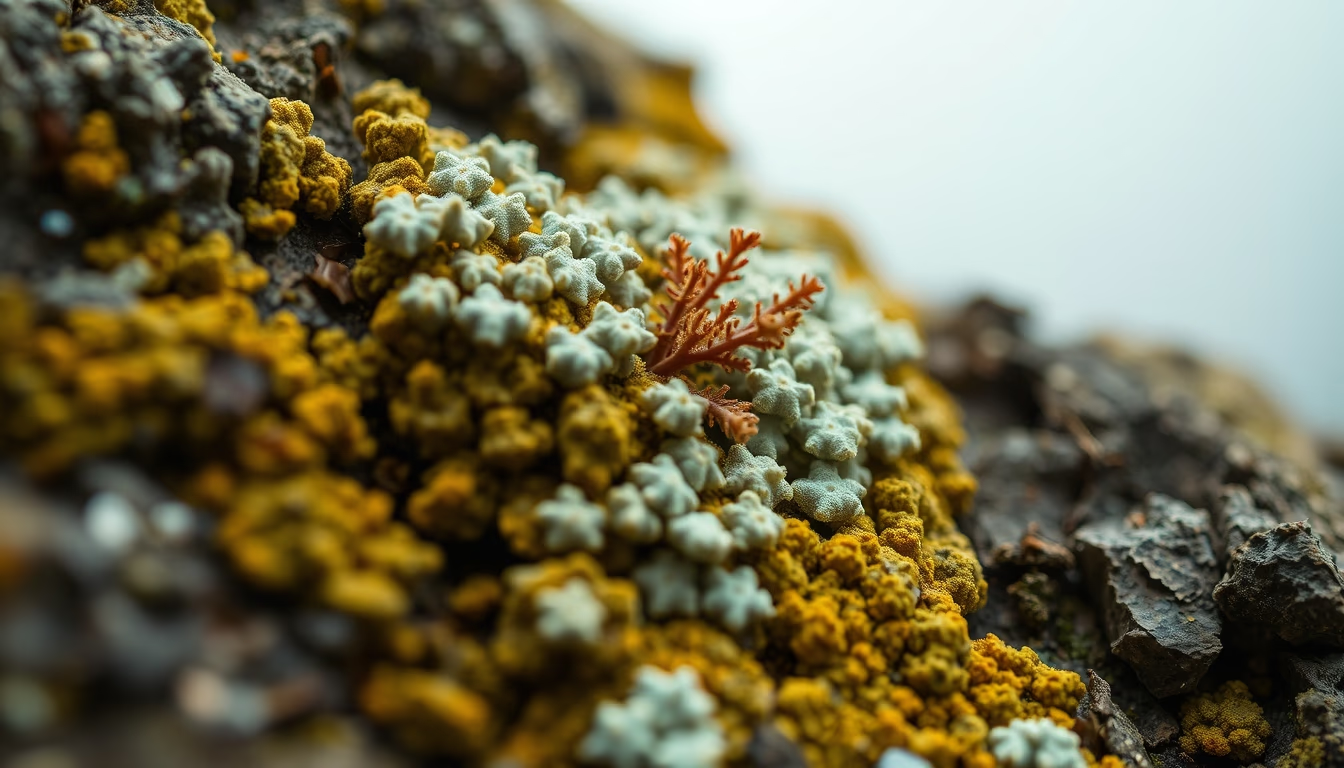
Lichens symbiotic close
1344×768 · AVIF · CC BY 4.0
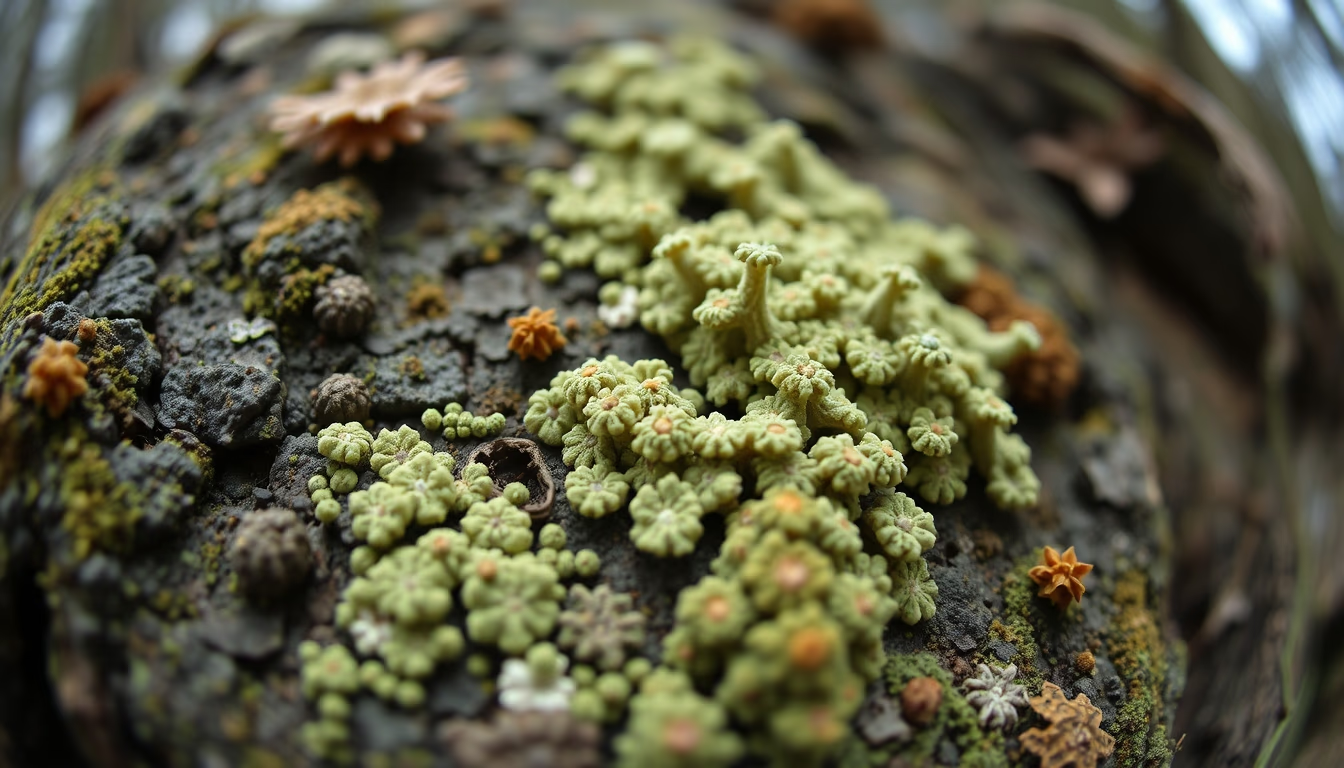
Lichens are a symbiosis between fungi and algae or cyanobacteria, forming complex and resilient organisms.
About this subject
Lichens are composite organisms arising from a mutualistic symbiosis between a fungus (mycobiont) and one or more photosynthetic partners, such as green algae or cyanobacteria (photobiont). The fungus provides structure, protection, and water and mineral absorption, while the photobiont produces carbohydrates through photosynthesis. It is estimated that there are over 20,000 lichen species worldwide, distributed from polar regions to deserts.
Morphologically, lichens are classified into three main types: crustose, which adhere tightly to the substrate as crusts; foliose, with lobed leaf-like forms; and fruticose, which grow erect or pendulous, resembling shrubs. Their growth is extremely slow, typically 1 to 10 millimeters per year, and many individuals can live for centuries or even millennia.
Ecologically, lichens play crucial roles. They are pioneers in colonizing rocks and poor soils, initiating soil formation processes. Some lichens with cyanobacteria fix atmospheric nitrogen, enriching the environment. Additionally, they are sensitive bioindicators of air pollution, especially sulfur dioxide and heavy metals, and are used in environmental monitoring.
Historically, lichens have practical applications. Litmus, a pH indicator, is extracted from lichens of the genus Roccella. They have also been used to produce natural dyes, such as orchil (orcein), and in perfumery as fixatives. In times of scarcity, some lichens served as food, although many contain acids that require preparation. Interestingly, lichens have survived space experiments and are found in Antarctica with ages exceeding 5,000 years.
Frequently Asked Questions
How do lichens reproduce?
Lichens reproduce mainly through fragmentation of the thallus or via specialized structures such as soredia (clusters of hyphae and photobionts) and isidia (thallus outgrowths). They can also produce asexual or sexual spores, but joint dispersal of fungus and photobiont is more common.
Are lichens harmful to trees?
No, lichens are epiphytic organisms and do not parasitize trees. They only use the bark as a substrate for attachment, without extracting nutrients from the host plant. Their presence generally indicates good air quality.
Why are lichens used as pollution indicators?
Lichens are highly sensitive to air pollutants such as sulfur dioxide, ozone, and heavy metals, which inhibit their growth and can lead to death. Therefore, the diversity and abundance of lichens in an area reflect air quality.
Direct URL
https://pub-c7d6a6ea828543ac903a74a341ccb2e1.r2.dev/imagens/lichens-symbiotic-close-fish-eye-wide-angle-fresh4.avifHow to credit
Include a visible link back to UtilizAí. Copy one of the snippets below:
<a href="https://xn--utiliza-eza.com/en/midia/imagens/lichens-symbiotic-close-fish-eye-wide-angle-fresh4">Lichens symbiotic close</a> by <a href="https://xn--utiliza-eza.com">UtilizAí</a>, licensed under <a href="https://creativecommons.org/licenses/by/4.0/">CC BY 4.0</a>.
[Lichens symbiotic close](https://xn--utiliza-eza.com/en/midia/imagens/lichens-symbiotic-close-fish-eye-wide-angle-fresh4) by [UtilizAí](https://xn--utiliza-eza.com), CC BY 4.0
License: CC-BY-4.0