Lavender field bees
1344×768 · AVIF · CC BY 4.0
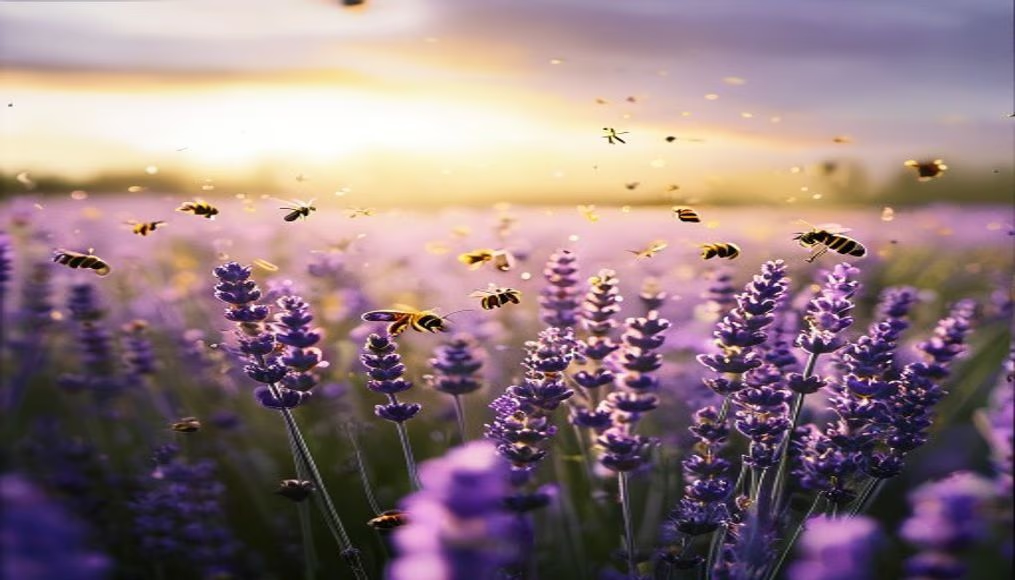
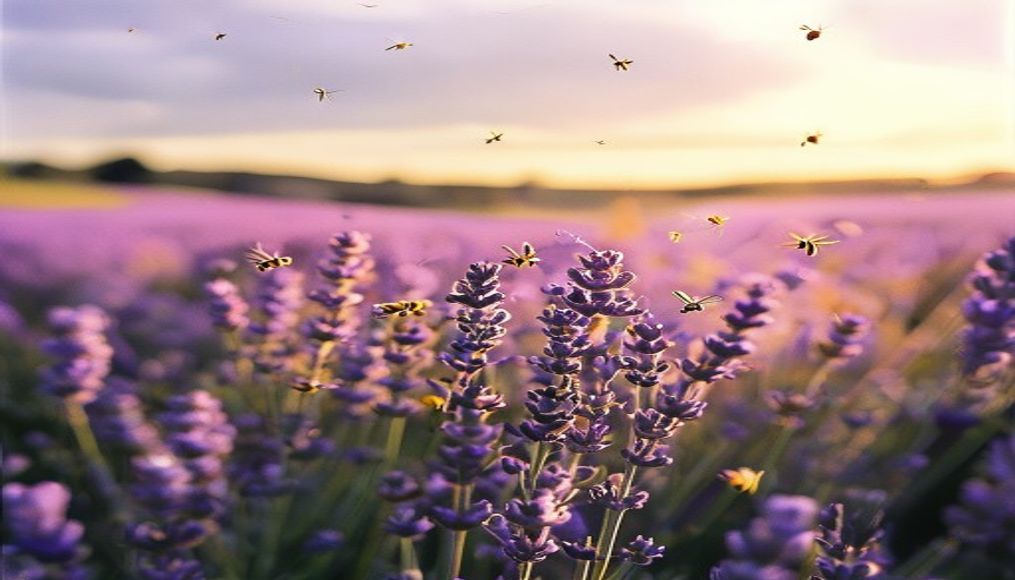
Lavender fields and bees in synergy: pollination, honey production, and the visual spectacle that inspires fine art photography.
About this subject
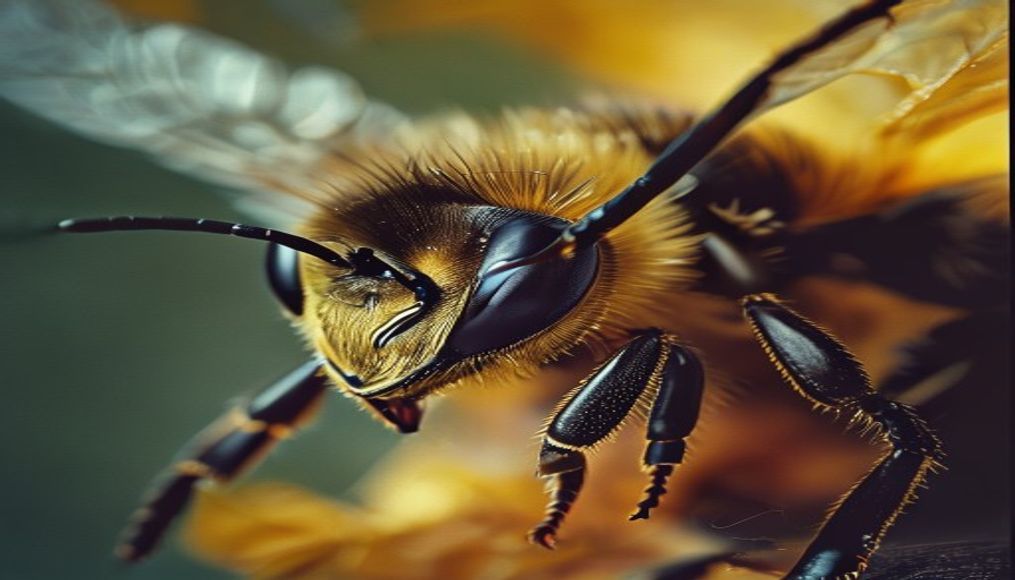
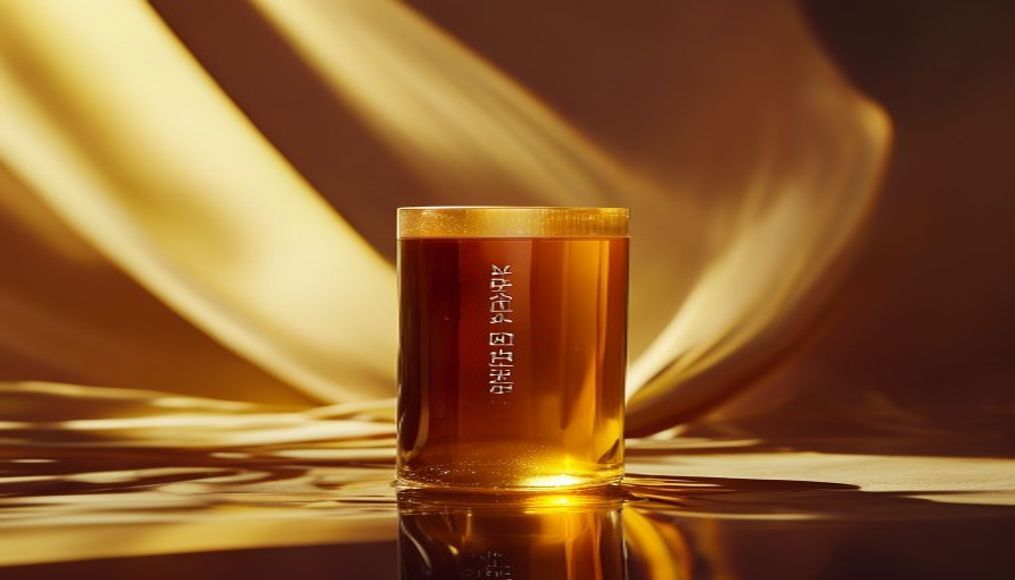
Lavender fields are agricultural ecosystems that heavily rely on pollination by bees. Lavender (Lavandula angustifolia) produces abundant nectar, attracting honeybees (Apis mellifera) and native bees. This symbiotic relationship is essential for the plant's fruiting and for the production of lavender honey, a gourmet product with a floral and slightly sweet taste, highly prized in France, Spain, and other Mediterranean countries. During the flowering season, from June to August, beekeepers place hives near the fields to harvest this special honey, which also has calming and digestive properties.
Lavender is native to the Mediterranean region but is now widely cultivated in areas like Provence (France), where the purple landscapes have become a cultural and tourist symbol. Besides honey, the plant is used in essential oils, cosmetics, and aromatic sachets. The presence of bees not only ensures nectar collection but also promotes local biodiversity by pollinating other wild plants nearby. It is estimated that a single hive can visit millions of lavender flowers during the season, traveling distances up to 5 km.
In fine art photography, the combination of lavender fields with flying bees is a classic theme, aiming to capture the texture of flowers, the golden light at dusk, and the insects' movement. This type of image evokes a sense of harmony between nature and agriculture, widely used in interior decoration and promotional materials for tourist destinations. The concept of 'wave pollination' studies how bee wing vibrations can stimulate pollen release, a phenomenon also observed in lavender fields.
The relationship between lavender and bees goes beyond economics: it represents an ecological balance that needs preservation. The global decline in bee populations threatens commercial lavender fields, prompting farmers to adopt more sustainable practices such as reducing pesticides and planting wildflower strips. Fine art photographs of these fields are not only aesthetic but also document this fragile ecosystem.
Frequently Asked Questions
Why are bees attracted to lavender?
Bees are attracted by the abundant nectar and the characteristic scent of lavender. The tubular flower shape facilitates nectar collection, and the plant produces large amounts of nectar during bloom.
What is the importance of lavender for beekeeping?
Lavender is one of the main honey plants in the Mediterranean, yielding a high-value monofloral honey. Beekeepers strategically place hives to maximize the harvest of this special honey.
What is 'wave pollination' and how does it relate to lavender?
Wave pollination describes how bee wing vibrations help release pollen from flowers. In lavender fields, this mechanism increases pollination efficiency and is studied to improve agricultural productivity.
Direct URL
https://pub-c7d6a6ea828543ac903a74a341ccb2e1.r2.dev/imagens/lavender-field-bees-fine-art-photography-p1.avifHow to credit
Include a visible link back to UtilizAí. Copy one of the snippets below:
<a href="https://xn--utiliza-eza.com/en/midia/imagens/lavender-field-bees-fine-art-photography-p1">Lavender field bees</a> by <a href="https://xn--utiliza-eza.com">UtilizAí</a>, licensed under <a href="https://creativecommons.org/licenses/by/4.0/">CC BY 4.0</a>.
[Lavender field bees](https://xn--utiliza-eza.com/en/midia/imagens/lavender-field-bees-fine-art-photography-p1) by [UtilizAí](https://xn--utiliza-eza.com), CC BY 4.0
License: CC-BY-4.0