Lalique crystal flacon
1344×768 · AVIF · CC BY 4.0
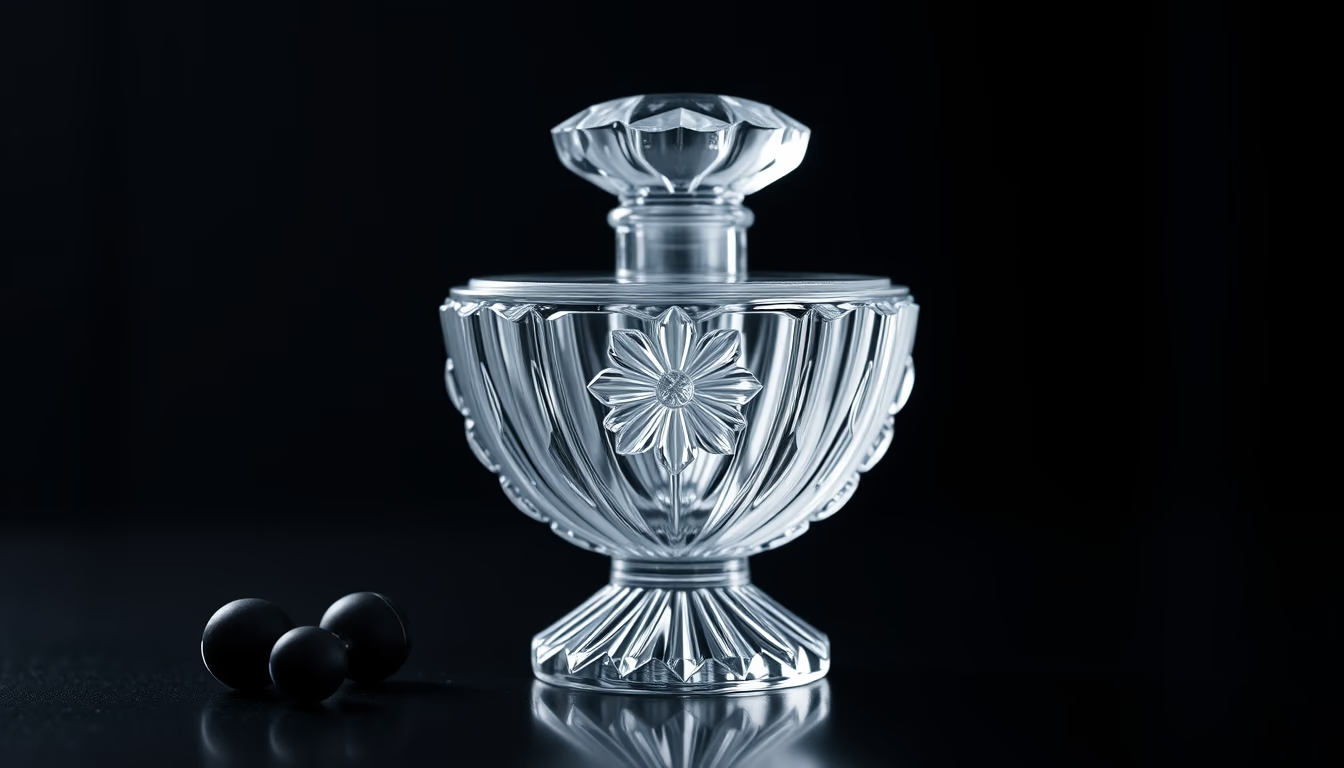
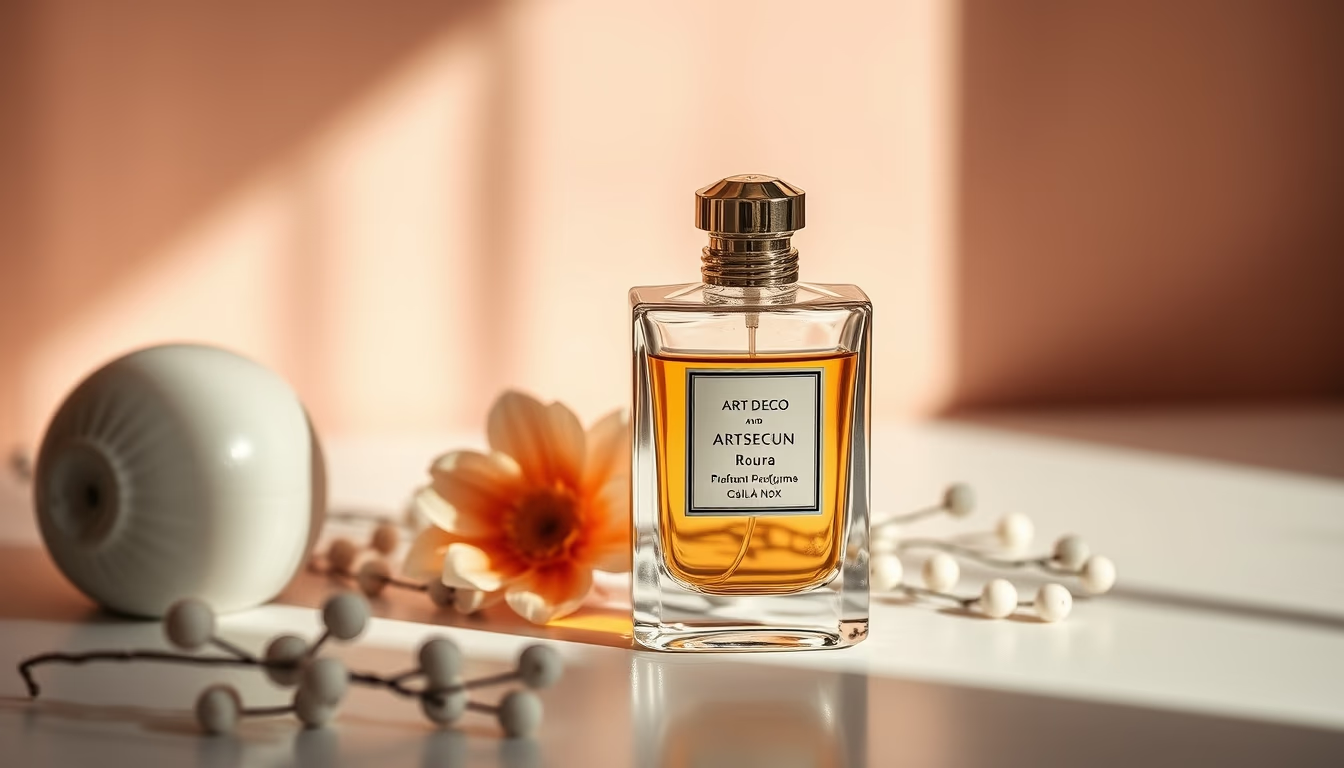
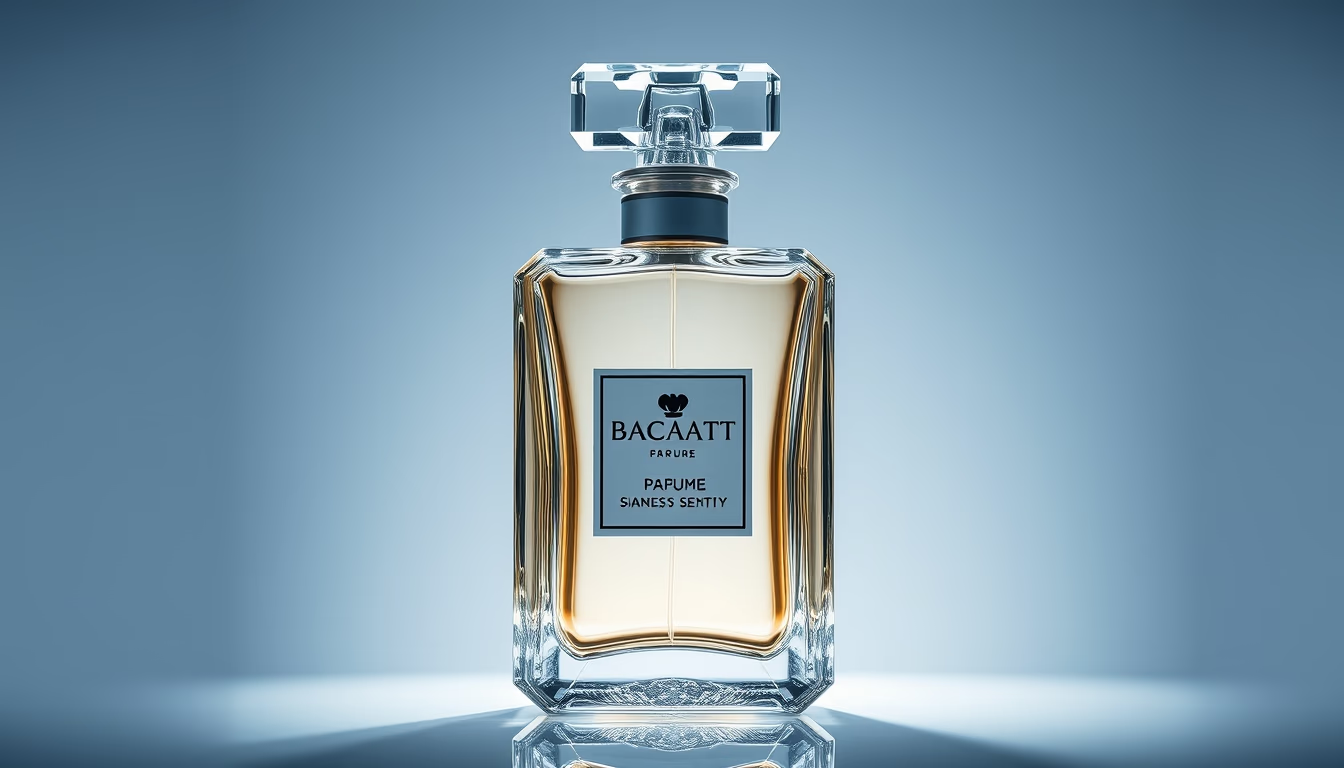
Lalique crystal perfume flacon, a symbol of luxury and French craftsmanship since the early 20th century.
About this subject
Lalique crystal perfume flacons are more than just containers; they are works of art. René Lalique, a French jeweler and glassmaker, began producing perfume bottles in the early 1900s, revolutionizing the industry by turning packaging into collectible pieces. His partnership with perfumer François Coty in 1908 led to iconic creations such as the "Le Jardin de la France" flacon, which combined floral design with geometric forms typical of Art Nouveau and later Art Deco.
Each Lalique flacon is crafted using refined techniques like lost-wax casting, mold-blowing, and acid etching, creating both frosted and transparent surfaces. Motifs include female figures, flora, fauna, and abstract patterns. The crystal used contains lead, ensuring characteristic brilliance and weight. Classic examples include the "Rubis" and "Trèfle" bottles, while Lalique also created limited editions for perfumers like Guerlain and Nina Ricci.
The cultural significance of these flacons extends beyond perfumery. They represent the pinnacle of French luxury and are frequently exhibited in museums, such as the Musée Lalique in Alsace. Vintage pieces can fetch thousands of dollars at auction, especially those from the Coty era before 1930. Today, Lalique continues to produce crystal flacons, keeping alive the tradition of exquisite craftsmanship that René Lalique began over a century ago.
A fun fact: many Lalique flacons feature the "R. Lalique" monogram engraved on the base. Every detail, from the stopper shape to the thickness of the crystal walls, balances aesthetics and functionality. The company also manufactures decanters, jewelry, and decorative objects, but perfume flacons remain its most emblematic legacy.
Frequently Asked Questions
What makes a Lalique crystal flacon different from other crystal bottles?
Lalique flacons stand out due to their artistic design, acid-etching and mold-blowing techniques, and René Lalique's signature style. The use of high-lead crystal and diverse motifs, such as female figures and nature, creates unique, often signed collector pieces.
How can I verify the authenticity of a vintage Lalique flacon?
Look for the "R. Lalique" signature engraved or embossed on the base or bottom. Check the crystal quality: it should be clear and heavy. Consult reference catalogs and, if possible, an antique glass specialist. Fakes often have weak engravings or cloudy crystal.
What is the market value of a vintage Lalique flacon?
Vintage Lalique flacons from the Coty era (1908-1940) can range from a few thousand to tens of thousands of dollars, depending on model, rarity, and condition. Pieces with original stoppers and no cracks are more valuable. Specialized auctions and sites like LiveAuctioneers provide price references.
Direct URL
https://pub-c7d6a6ea828543ac903a74a341ccb2e1.r2.dev/imagens/lalique-crystal-flacon-studio-still-life-fresh9.avifHow to credit
Include a visible link back to UtilizAí. Copy one of the snippets below:
<a href="https://xn--utiliza-eza.com/en/midia/imagens/lalique-crystal-flacon-studio-still-life-fresh9">Lalique crystal flacon</a> by <a href="https://xn--utiliza-eza.com">UtilizAí</a>, licensed under <a href="https://creativecommons.org/licenses/by/4.0/">CC BY 4.0</a>.
[Lalique crystal flacon](https://xn--utiliza-eza.com/en/midia/imagens/lalique-crystal-flacon-studio-still-life-fresh9) by [UtilizAí](https://xn--utiliza-eza.com), CC BY 4.0
License: CC-BY-4.0