Lacework antique tatting
1344×768 · AVIF · CC BY 4.0
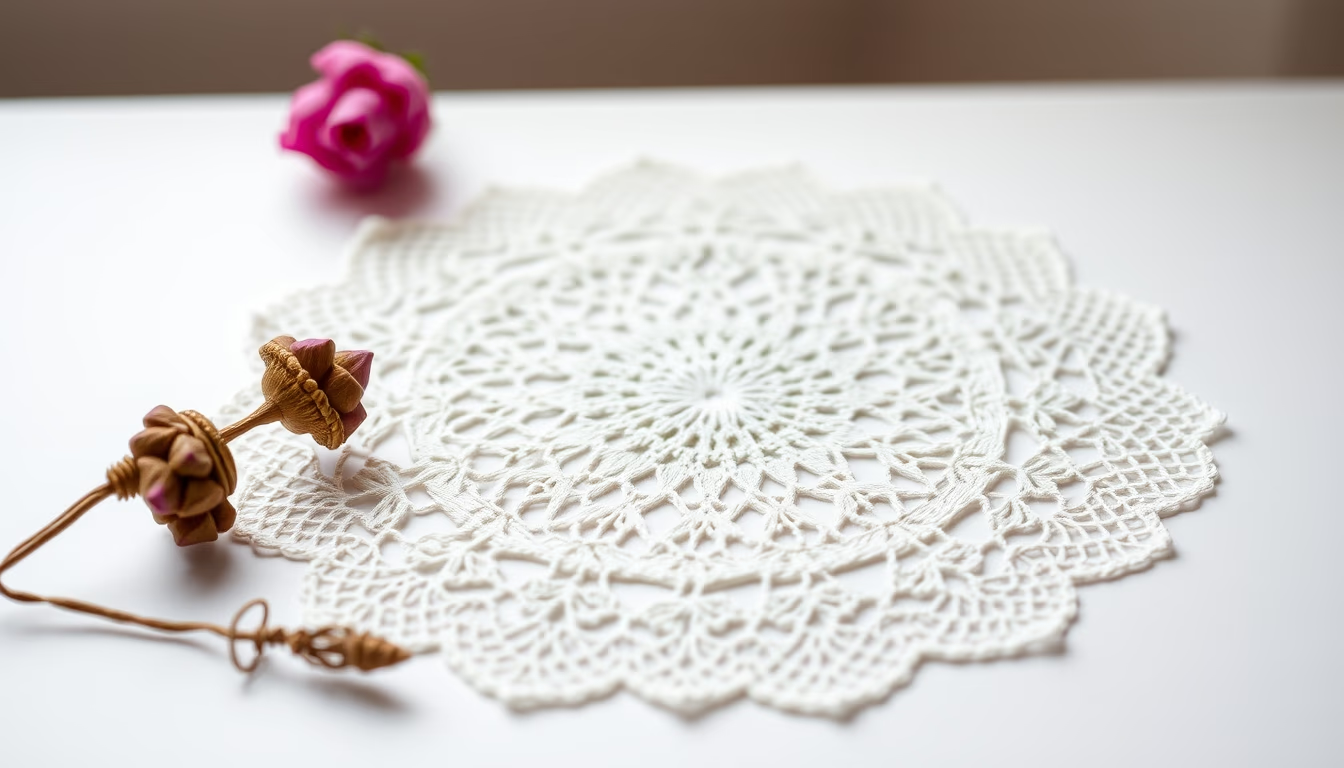
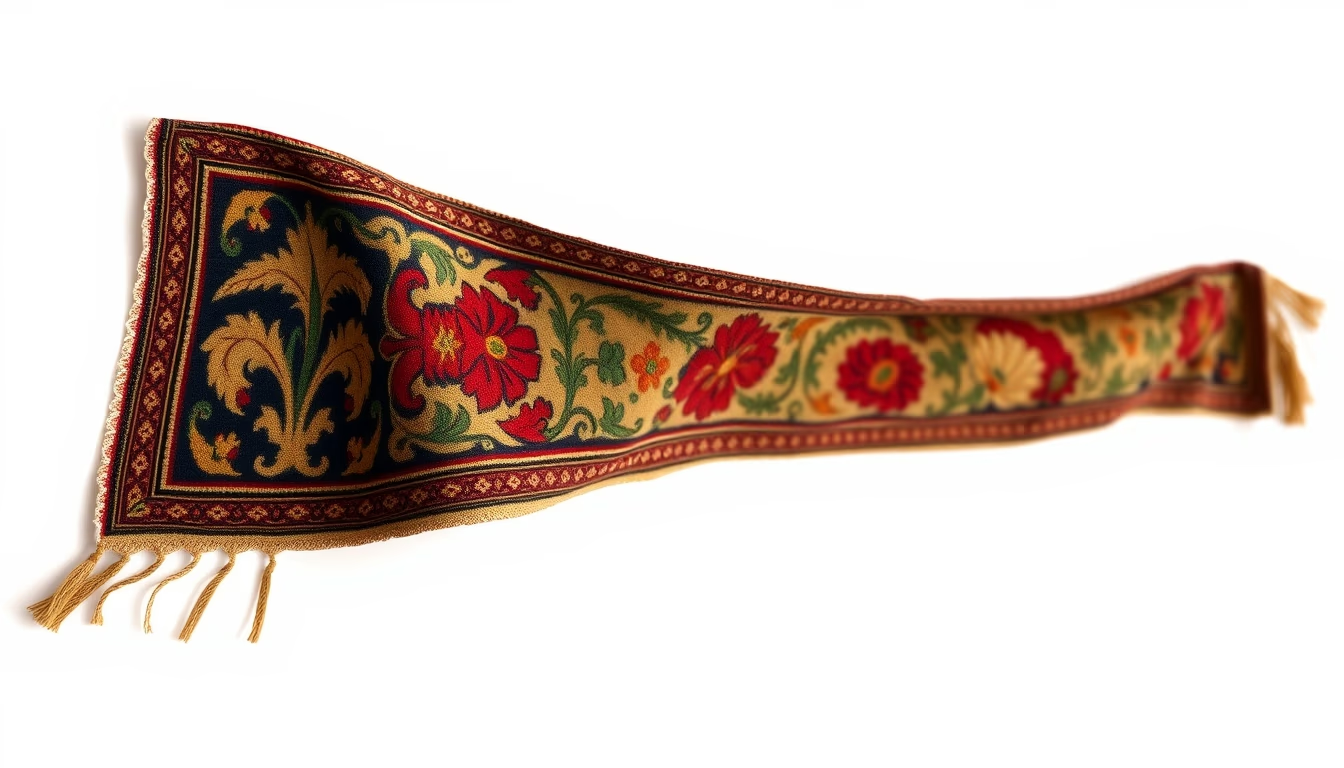
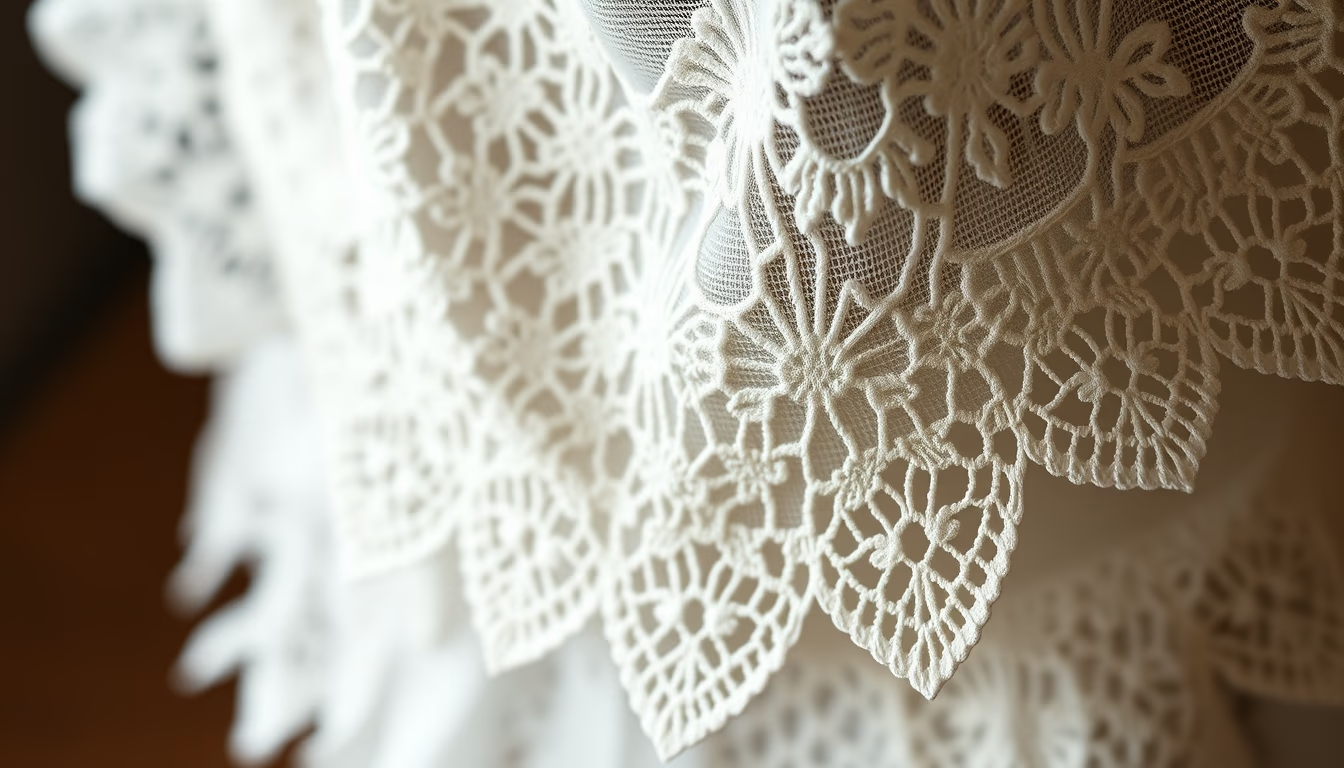
Tatting is a knotted lace technique, popular in the 19th century, used to create delicate items like doilies and table runners.
About this subject
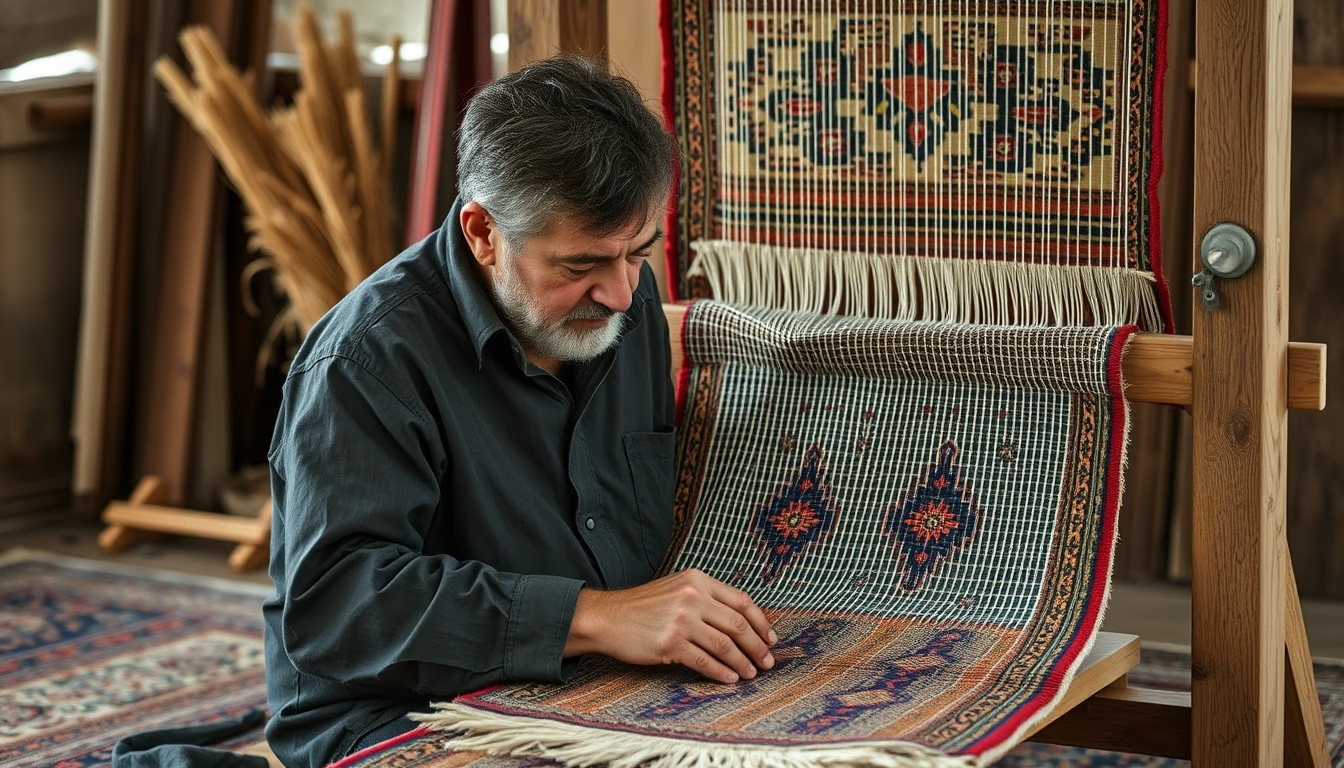
Tatting is a handmade lace technique that uses a shuttle or needle to form a series of knots and loops. It originated in the 19th century, with records in England and France, and quickly spread across Europe and the Americas. Unlike bobbin lace, which interlaces multiple threads, tatting produces a more open and lightweight fabric, ideal for edgings, doilies, tablecloths, and even jewelry.
During the Victorian era, tatting reached its peak, considered a respectable pastime for upper-class women. Pieces were often made from white cotton or linen, featuring floral or geometric designs. The term “antique tatting” refers to these original works from that period, now treasured by collectors and textile history museums. Similar techniques exist in Asia, such as frivolite in Turkey and Japanese tatting.
With the decline of home crafts in the 20th century, tatting lost popularity but never disappeared. In the 1970s and 1980s, there was a revival fueled by specialized books and magazines. Today, modern practitioners combine colored threads and beads to create contemporary pieces. Tatting is also taught in online workshops, ensuring its preservation. The complexity of antique patterns requires patience and precision, making each piece unique.
A curious fact: tatting is the only lace technique that allows three-dimensional shapes, such as flowers and butterflies, without additional sewing. Also, the word “tatting” comes from the French “tatter,” meaning “to wind” or “to bobbin.” Despite its delicate appearance, tatting is surprisingly sturdy, as the knots distribute tension evenly.
Frequently Asked Questions
What distinguishes tatting from other laces?
Tatting is made with simple knots (loop knots) rather than interlacing threads, resulting in a more open and lightweight lace. Another difference is that it allows three-dimensional shapes without sewing.
How to identify antique tatting?
Antique tatting usually uses white cotton or linen threads, with floral or geometric patterns. Knots are regular and tight. Victorian pieces may have stains or natural wear. Look for period marks or documented provenance.
Is tatting still practiced today?
Yes, there is an active community of tatters learning online and in workshops. Modern materials include colored threads and beads, and patterns range from traditional to contemporary.
Direct URL
https://pub-c7d6a6ea828543ac903a74a341ccb2e1.r2.dev/imagens/lacework-antique-tatting-commercial-product-photography-fresh0.avifHow to credit
Include a visible link back to UtilizAí. Copy one of the snippets below:
<a href="https://xn--utiliza-eza.com/en/midia/imagens/lacework-antique-tatting-commercial-product-photography-fresh0">Lacework antique tatting</a> by <a href="https://xn--utiliza-eza.com">UtilizAí</a>, licensed under <a href="https://creativecommons.org/licenses/by/4.0/">CC BY 4.0</a>.
[Lacework antique tatting](https://xn--utiliza-eza.com/en/midia/imagens/lacework-antique-tatting-commercial-product-photography-fresh0) by [UtilizAí](https://xn--utiliza-eza.com), CC BY 4.0
License: CC-BY-4.0