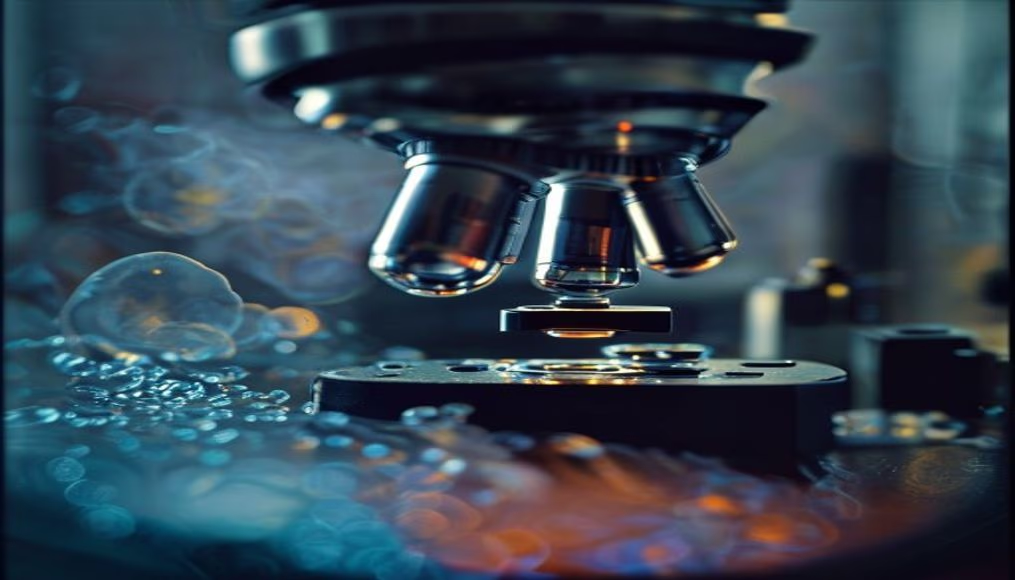
Lab technician looking through microscope
1344×768 · AVIF · CC BY 4.0
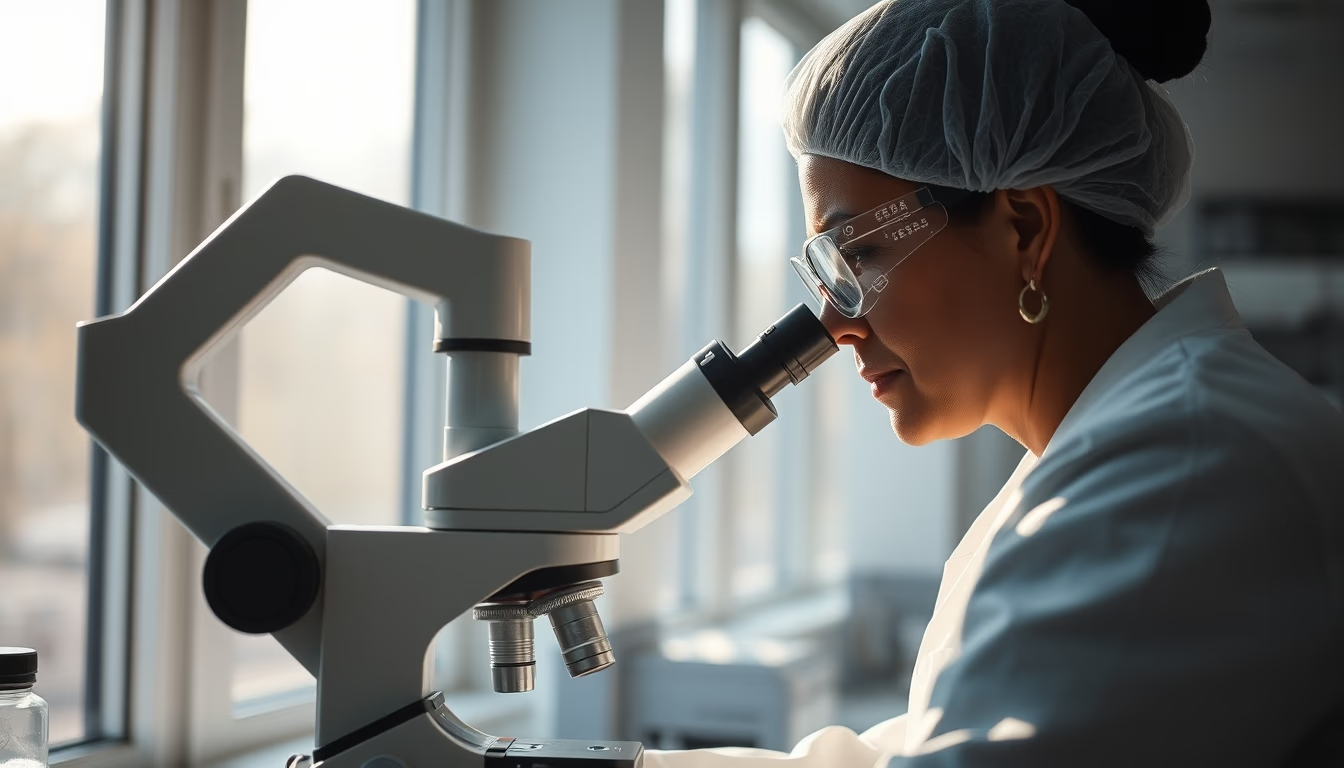
Lab technician examines a sample under a microscope during morning routine at a clinical research center.
About this subject
Optical microscopy is a fundamental tool in diagnostic and research laboratories. The lab technician, while using the microscope, observes prepared slides with biological samples such as blood, urine, or tissues. This step is crucial for identifying cellular alterations, the presence of microorganisms, or other abnormalities that aid in disease diagnosis.
In Brazil, the routine of a clinical analysis laboratory starts early, often before 7 a.m., to process tests from fasting patients. The technician must follow strict biosafety protocols, including wearing a lab coat, gloves, and protective goggles. Microscopy remains irreplaceable in areas like hematology, where the differential white blood cell count is performed visually.
Training for technicians involves theoretical and practical knowledge in histology, microbiology, and parasitology. In Brazil, the technical course in clinical analysis lasts about two years and is regulated by the Ministry of Education. The demand for these professionals grew during the COVID-19 pandemic, when laboratories across the country processed millions of RT-PCR tests.
Interestingly, modern microscopy includes techniques such as immunofluorescence and electron microscopy, but the common optical microscope is still the most used daily. The Köhler illumination, adjusted at the start of the routine, ensures adequate contrast and resolution for observation.
Frequently Asked Questions
What is the role of a lab technician?
A lab technician performs analysis of biological samples, operates equipment such as microscopes and centrifuges, and follows protocols to ensure accurate results for disease diagnosis.
What type of sample is analyzed under the microscope?
Samples such as blood, urine, stool, secretions, tissues, and body fluids can be analyzed, prepared on slides for observation of cells, bacteria, parasites, or other structures.
How long does the technical course in clinical analysis last in Brazil?
The technical course in clinical analysis lasts an average of two years, including supervised internship, and is offered by technical schools and some universities.
Direct URL
https://pub-c7d6a6ea828543ac903a74a341ccb2e1.r2.dev/imagens/lab-technician-looking-through-microscope-documentary-morning-4.avifHow to credit
Include a visible link back to UtilizAí. Copy one of the snippets below:
<a href="https://xn--utiliza-eza.com/en/midia/imagens/lab-technician-looking-through-microscope-documentary-morning-4">Lab technician looking through microscope</a> by <a href="https://xn--utiliza-eza.com">UtilizAí</a>, licensed under <a href="https://creativecommons.org/licenses/by/4.0/">CC BY 4.0</a>.
[Lab technician looking through microscope](https://xn--utiliza-eza.com/en/midia/imagens/lab-technician-looking-through-microscope-documentary-morning-4) by [UtilizAí](https://xn--utiliza-eza.com), CC BY 4.0
License: CC-BY-4.0