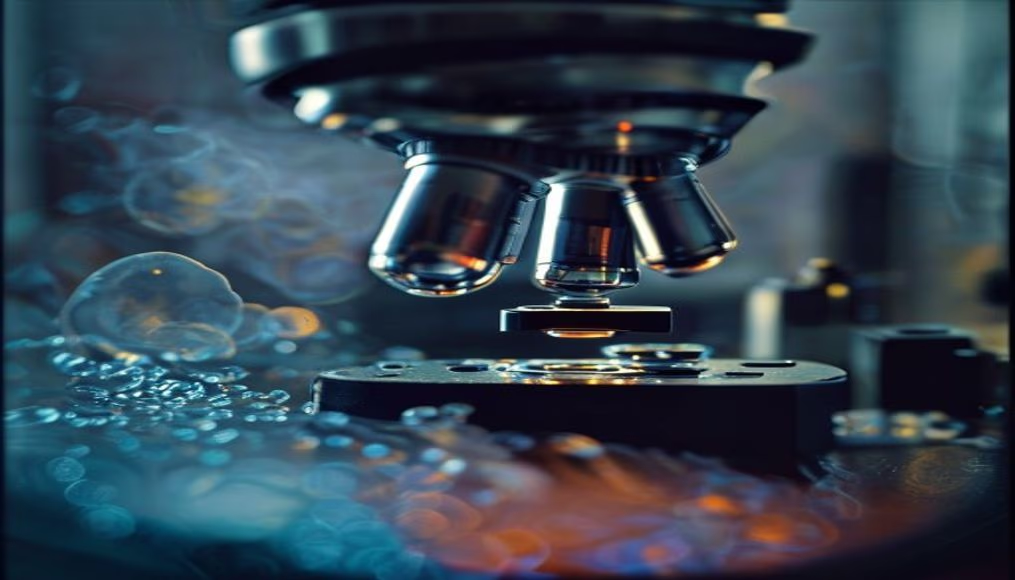
Lab technician looking through microscope
1344×768 · AVIF · CC BY 4.0
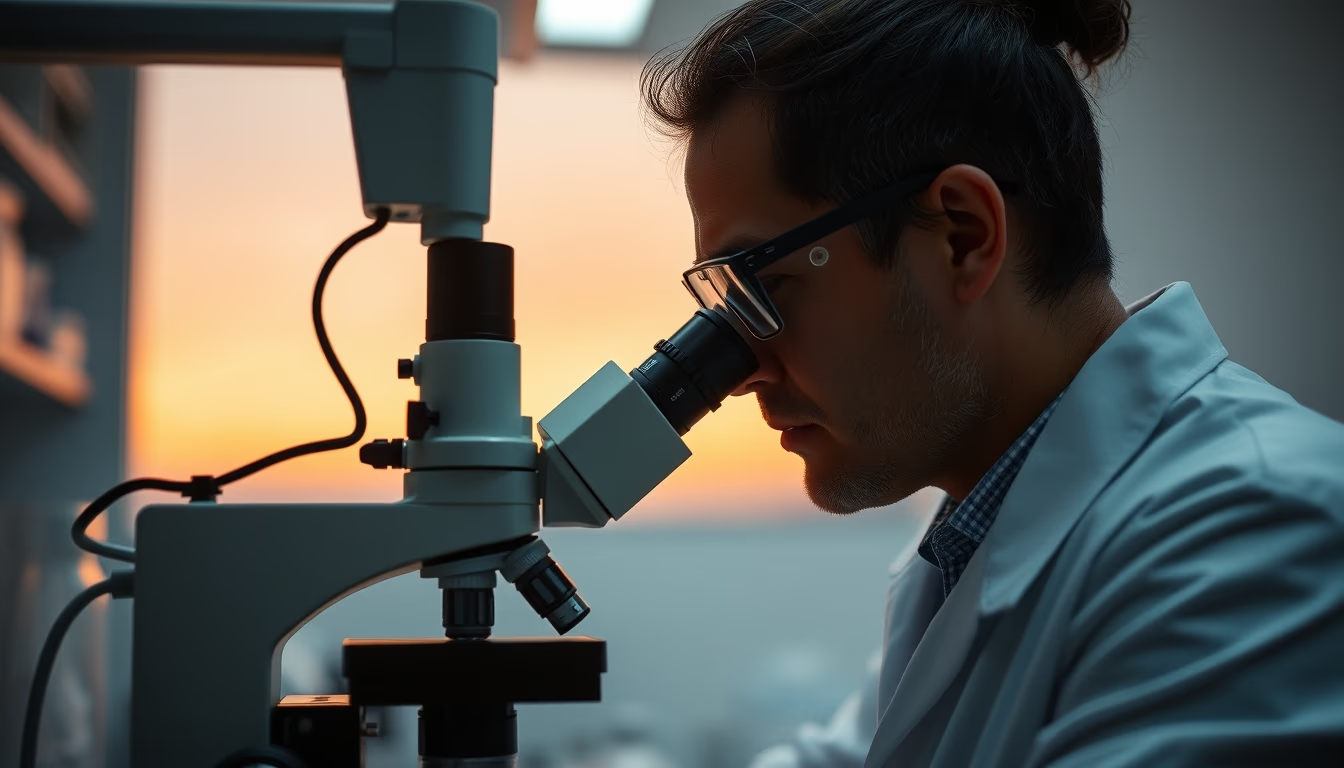
Lab technician examines sample under microscope during night shift, a critical procedure for diagnostics.
About this subject
The use of the microscope is one of the most fundamental tools in clinical and research laboratories. The lab technician, a professional trained to operate high-precision equipment, analyzes slides with biological samples such as blood, urine, or tissues to identify abnormal cells, microorganisms, or other alterations. This work demands attention to detail and technical knowledge to correctly interpret magnified images.
In Brazil, the routine of clinical analysis laboratories often includes night shifts, especially in large hospitals and emergency labs. The environment lighting is adjusted to avoid glare and eye strain, with indirect light focused on the sample. The technician may spend hours examining dozens of slides, following strict biosafety protocols such as wearing gloves and lab coats.
Traditional optical microscopy allows magnifications up to 1000x, enough to visualize bacteria and blood cells. Techniques like Gram staining or hematoxylin-eosin are applied to highlight structures. The accuracy of this exam directly impacts diagnoses of diseases such as anemia, bacterial infections, and cancer, serving as a vital link between patient and physician.
Interestingly, the role of the lab technician is regulated in Brazil by the Federal Council of Biomedicine and by labor laws that define working hours and night shift bonuses. The profession requires higher education in Biomedicine or related fields, plus registration with the regional council. The image of a technician working at night symbolizes the continuous dedication of public and private healthcare.
Frequently Asked Questions
What training is required to become a lab technician in Brazil?
A higher education degree in Biomedicine or related fields such as Pharmacy or Biological Sciences is required, along with registration with the Regional Council of Biomedicine or Pharmacy.
Why do lab technicians work at night?
Many hospitals and emergency labs operate 24 hours to handle urgent cases and perform tests that cannot be delayed, such as complete blood counts and microbiological cultures.
What can a lab technician see under the microscope during a shift?
They examine slides of blood, urine, secretions, and tissues, looking for abnormalities like cancer cells, bacteria, parasites, or signs of infection.
Direct URL
https://pub-c7d6a6ea828543ac903a74a341ccb2e1.r2.dev/imagens/lab-technician-looking-through-microscope-closeup-twilight-5.avifHow to credit
Include a visible link back to UtilizAí. Copy one of the snippets below:
<a href="https://xn--utiliza-eza.com/en/midia/imagens/lab-technician-looking-through-microscope-closeup-twilight-5">Lab technician looking through microscope</a> by <a href="https://xn--utiliza-eza.com">UtilizAí</a>, licensed under <a href="https://creativecommons.org/licenses/by/4.0/">CC BY 4.0</a>.
[Lab technician looking through microscope](https://xn--utiliza-eza.com/en/midia/imagens/lab-technician-looking-through-microscope-closeup-twilight-5) by [UtilizAí](https://xn--utiliza-eza.com), CC BY 4.0
License: CC-BY-4.0