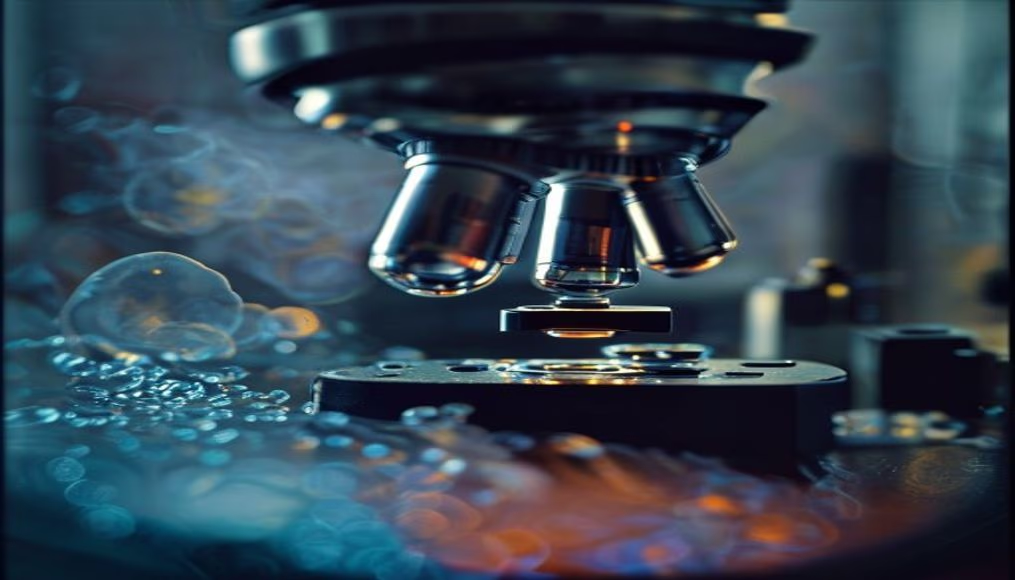
Lab technician looking through microscope
1344×768 · AVIF · CC BY 4.0
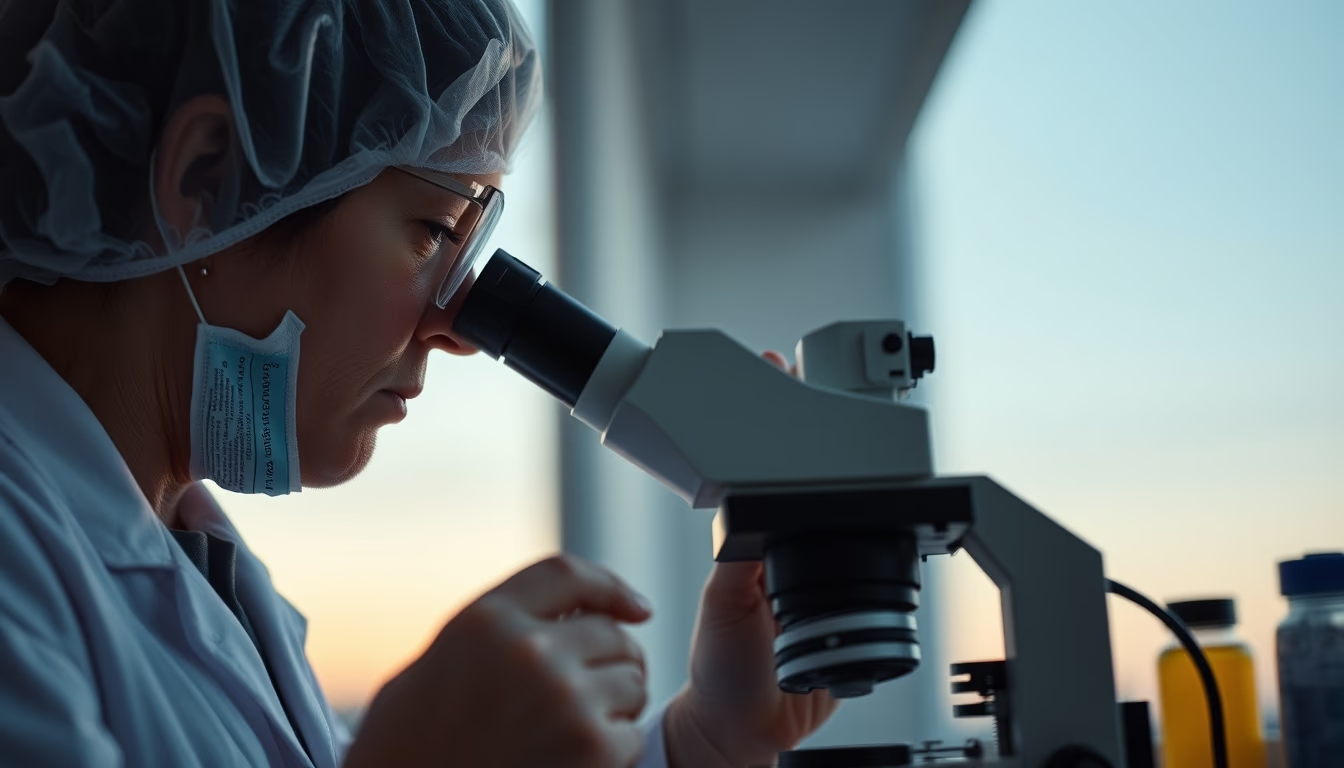
Lab technician examines a sample under a microscope at twilight, a critical routine for diagnostics and scientific research.
About this subject
The work of a lab technician is essential to modern science, involving the preparation and analysis of biological, chemical, or physical samples. The microscope is one of the most fundamental tools, allowing the visualization of structures invisible to the naked eye, such as cells, bacteria, and crystals. In Brazil, clinical analysis laboratories perform millions of tests per year, many dependent on optical microscopy, which magnifies objects up to 1000 times. The routine of these professionals often extends into twilight, when natural light diminishes and artificial laboratory light becomes even more important to avoid reflections and ensure accuracy.
Microscopy has a rich history: from Leeuwenhoek's early models in the 17th century to modern electron microscopes, technology has evolved dramatically. However, the optical microscope remains the most common in routine labs. The technician must master techniques such as focusing, contrast adjustment, and the use of stains to highlight specific structures. A common mistake among beginners is not cleaning lenses properly, which can compromise image sharpness. Additionally, correct posture is important to avoid fatigue during long hours of observation.
Interestingly, the twilight period is often associated with higher productivity in research labs, as reduced interruptions and controlled lighting favor concentration. Many technicians report that the quiet of the end of the day allows deeper focus on slide analysis. In university hospitals, it is common for biomedical and pharmacy students to perform night internships to learn laboratory routines under different lighting conditions.
Lab safety is also crucial: the technician must use personal protective equipment such as lab coats, gloves, and goggles, and follow strict protocols for disposal of biological materials. Microscopy, though seemingly a solitary activity, is part of a diagnostic chain involving doctors, nurses, and other professionals. Each sample examined can mean the difference between correct treatment and late diagnosis, highlighting the responsibility and precision required of these professionals.
Frequently Asked Questions
What is the importance of the microscope in the lab?
The microscope allows visualization of microscopic structures such as cells and bacteria, essential for clinical diagnoses, biological research, and quality control in various fields.
Why does the technician work at twilight?
Twilight can offer fewer interruptions and controlled lighting, favoring concentration on detailed analyses. Many labs operate in shifts that extend into the night.
What precautions should a technician take when using a microscope?
Lenses must be cleaned regularly, focus and contrast adjusted properly, correct posture maintained to avoid fatigue, and personal protective equipment used.
Direct URL
https://pub-c7d6a6ea828543ac903a74a341ccb2e1.r2.dev/imagens/lab-technician-looking-through-microscope-closeup-twilight.avifHow to credit
Include a visible link back to UtilizAí. Copy one of the snippets below:
<a href="https://xn--utiliza-eza.com/en/midia/imagens/lab-technician-looking-through-microscope-closeup-twilight">Lab technician looking through microscope</a> by <a href="https://xn--utiliza-eza.com">UtilizAí</a>, licensed under <a href="https://creativecommons.org/licenses/by/4.0/">CC BY 4.0</a>.
[Lab technician looking through microscope](https://xn--utiliza-eza.com/en/midia/imagens/lab-technician-looking-through-microscope-closeup-twilight) by [UtilizAí](https://xn--utiliza-eza.com), CC BY 4.0
License: CC-BY-4.0