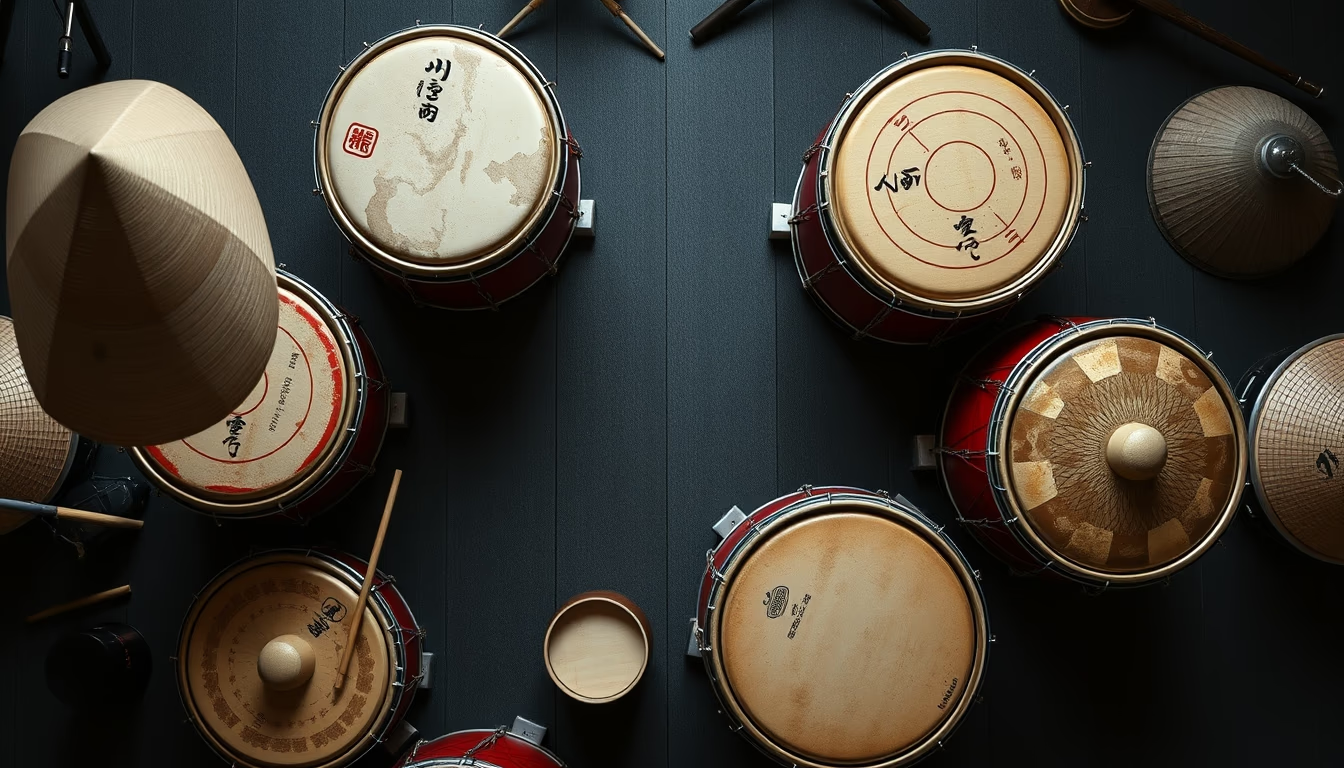
Koto japanese strings
1344×768 · AVIF · CC BY 4.0

The koto is a traditional Japanese string instrument with over a thousand years of history, played by plucking strings with picks.
About this subject
The koto, also known as the "Japanese harp," is a plucked string instrument that originated in China and was introduced to Japan during the Nara period (710-794 AD). Initially used in imperial court music (gagaku), the koto evolved into one of the most iconic instruments of Japanese classical music. Its form consists of a long wooden box made from paulownia wood, typically with 13 silk strings (now often nylon or steel) stretched over movable bridges (ji) that allow pitch adjustment. The instrument measures about 180 centimeters in length and 24 centimeters in width.
Playing technique involves using ivory or plastic picks (tsume) attached to the thumb, index, and middle fingers of the right hand. The left hand presses the strings on the opposite side of the bridges to produce ornaments and pitch variations. The traditional repertoire includes pieces like "Rokudan no Shirabe" and "Midare," as well as modern compositions exploring extended techniques. The koto is also used in ensemble with other Japanese instruments such as the shamisen and shakuhachi flute.
Culturally, the koto is associated with refinement and Japanese aesthetics. During the Edo period, it became popular among the samurai class and bourgeoisie, with teaching schools such as Ikuta-ryu and Yamada-ryu. Today, the koto is taught in conservatories and universities, and contemporary artists like Michio Miyagi (who composed "Haru no Umi") and groups like Nipponia integrate it into world music contexts. A curiosity: the koto was first used in a commercial recording in 1915, and has since been sampled in film and video game soundtracks.
Frequently Asked Questions
How many strings does a traditional koto have?
A traditional koto has 13 strings, though modern variations exist with 17, 20, or more strings to extend the tonal range.
What is the origin of the koto?
The koto originated in China and was introduced to Japan during the Nara period (8th century), initially used in imperial court music.
What are the picks used to play the koto called?
The picks are called tsume and are traditionally made of ivory or plastic, attached to the thumb, index, and middle fingers of the right hand.
Direct URL
https://pub-c7d6a6ea828543ac903a74a341ccb2e1.r2.dev/imagens/koto-japanese-strings-magazine-editorial-p4.avifHow to credit
Include a visible link back to UtilizAí. Copy one of the snippets below:
<a href="https://xn--utiliza-eza.com/en/midia/imagens/koto-japanese-strings-magazine-editorial-p4">Koto japanese strings</a> by <a href="https://xn--utiliza-eza.com">UtilizAí</a>, licensed under <a href="https://creativecommons.org/licenses/by/4.0/">CC BY 4.0</a>.
[Koto japanese strings](https://xn--utiliza-eza.com/en/midia/imagens/koto-japanese-strings-magazine-editorial-p4) by [UtilizAí](https://xn--utiliza-eza.com), CC BY 4.0
License: CC-BY-4.0