Kinkaku-ji golden pavilion
1344×768 · AVIF · CC BY 4.0
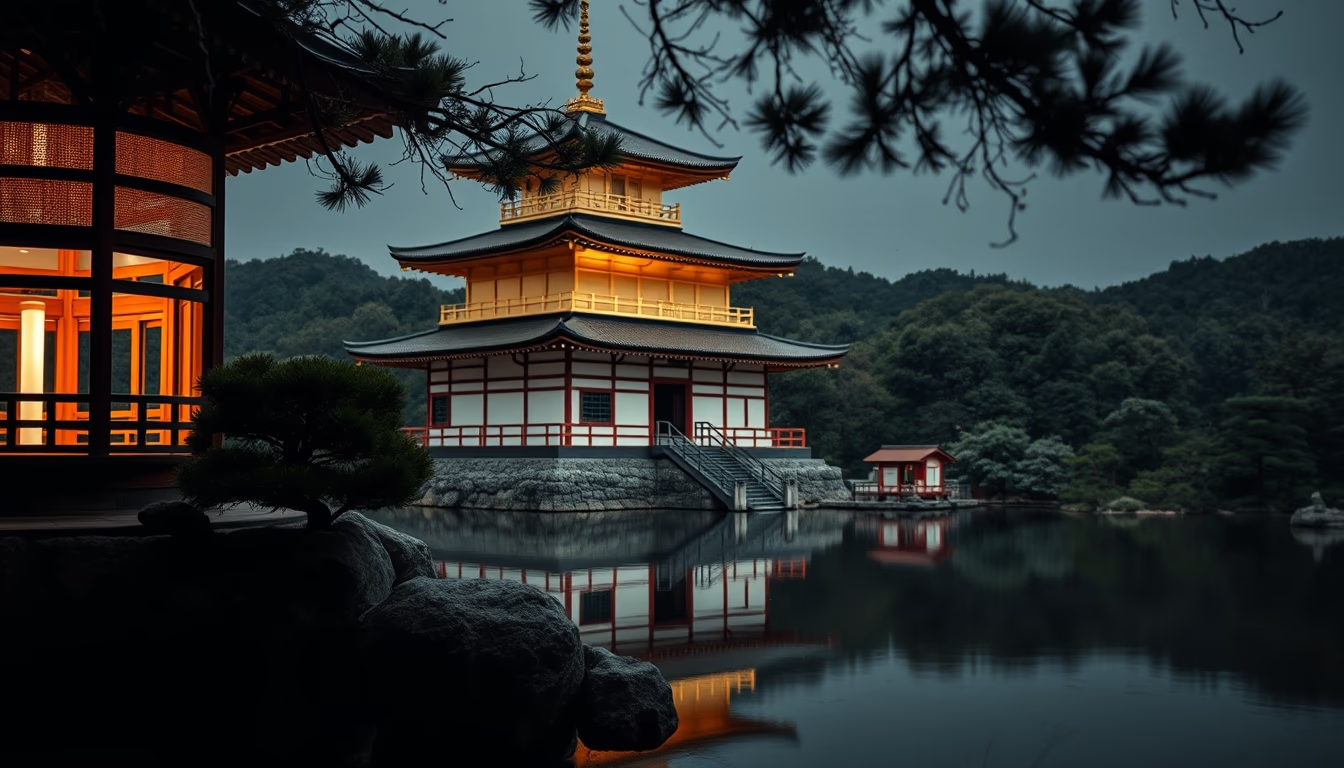
Kinkaku-ji is the iconic Golden Pavilion in Kyoto, a Zen temple covered in gold leaf that reflects its image in Kyoko-chi pond.
About this subject
Kinkaku-ji, officially known as Rokuon-ji, was built in 1397 as a retirement villa for shogun Ashikaga Yoshimitsu. After his death in 1408, the site was converted into a Zen temple of the Rinzai sect according to his will. The Golden Pavilion is the only original building remaining from the once-extensive complex.
The three-story structure features distinct architectural styles: the first floor in the shinden style, typical of Heian period aristocratic palaces; the second in the buke style, associated with samurai residences; and the third in the zen style, with bell-shaped windows. The exterior is completely covered in pure gold leaf, a feature that gave the pavilion its popular name. At the top of the roof, a golden Chinese phoenix statue symbolizes immortality.
The pavilion stands on the edge of Kyoko-chi pond, whose name means "Mirror Pond." The pond is integral to the landscape garden, designed to represent the islands of immortality in Chinese mythology, with strategically placed stones and islets. The reflection of the pavilion on the calm water surface is one of Japan's most photographed views.
Unfortunately, Kinkaku-ji was destroyed by an arson fire in 1950, committed by a novice monk. This event shocked Japan and inspired Yukio Mishima's novel "The Temple of the Golden Pavilion." The reconstruction, completed in 1955, faithfully replicated the original, including the gold leaf covering. Today, Kinkaku-ji is a UNESCO World Heritage site and one of Kyoto's most popular tourist destinations, attracting millions of visitors annually.
Frequently Asked Questions
What does Kinkaku-ji mean?
Kinkaku-ji literally means "Temple of the Golden Pavilion" in Japanese. The official name is Rokuon-ji, but it is known worldwide as Kinkaku-ji due to its gold leaf exterior.
Who built the Golden Pavilion?
The Golden Pavilion was built in 1397 by shogun Ashikaga Yoshimitsu as a retirement villa. After his death, the site was converted into a Zen temple according to his will.
Why was Kinkaku-ji reconstructed?
The original Kinkaku-ji was destroyed by an arson fire in 1950, set by a novice monk. Reconstruction began in 1955 and faithfully replicated the original structure, including the gold leaf covering.
Direct URL
https://pub-c7d6a6ea828543ac903a74a341ccb2e1.r2.dev/imagens/kinkaku-ji-golden-pavilion-studio-still-life-p8.avifHow to credit
Include a visible link back to UtilizAí. Copy one of the snippets below:
<a href="https://xn--utiliza-eza.com/en/midia/imagens/kinkaku-ji-golden-pavilion-studio-still-life-p8">Kinkaku-ji golden pavilion</a> by <a href="https://xn--utiliza-eza.com">UtilizAí</a>, licensed under <a href="https://creativecommons.org/licenses/by/4.0/">CC BY 4.0</a>.
[Kinkaku-ji golden pavilion](https://xn--utiliza-eza.com/en/midia/imagens/kinkaku-ji-golden-pavilion-studio-still-life-p8) by [UtilizAí](https://xn--utiliza-eza.com), CC BY 4.0
License: CC-BY-4.0