Kiln pottery firing
1344×768 · AVIF · CC BY 4.0
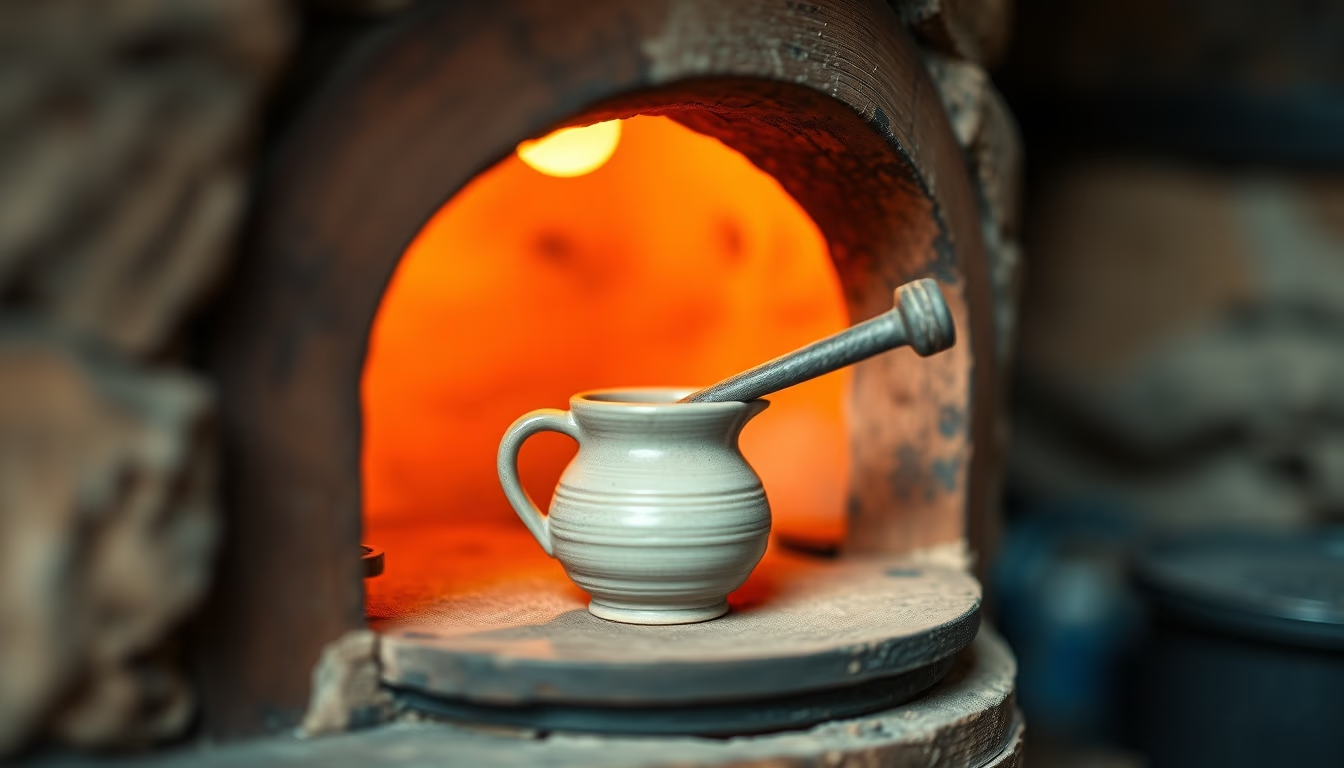
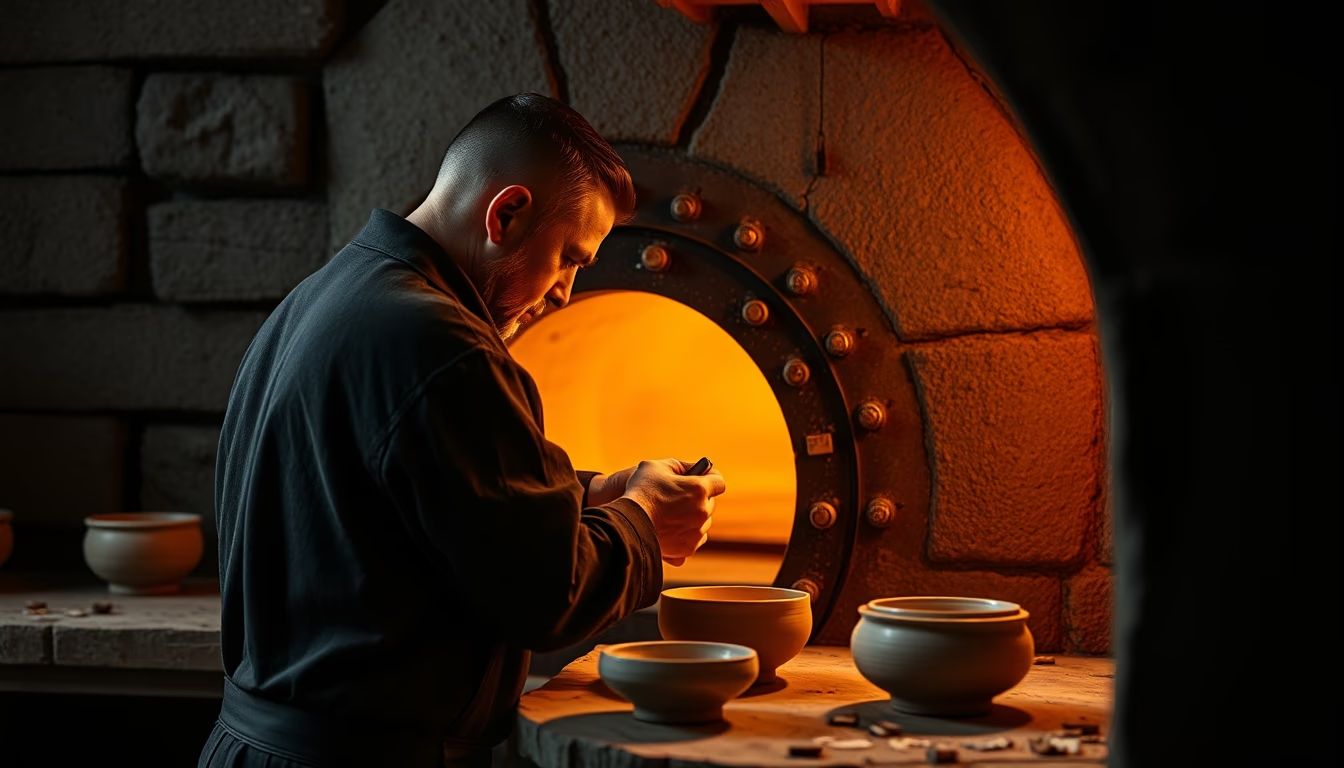
Kiln firing is a critical stage in pottery production, where pieces are subjected to high temperatures to consolidate clay and fuse glazes.
About this subject
Kiln firing transforms wet clay into durable ceramic. During the process, pieces are gradually heated to temperatures ranging from 600°C to over 1300°C. Different kilns exist: electric, gas, and wood-fired. Each offers specific temperature control and atmosphere (oxidation or reduction), influencing glaze color and texture.
Traditionally, pottery goes through two firings. The first, called bisque firing, occurs around 900°C and hardens the piece, removing water and organic matter. After glazing, the second firing (glaze firing) reaches higher temperatures, melting the glaze and fusing it to the surface. Heating and cooling curves must be controlled to prevent cracks.
Historically, kilns have been used for thousands of years. The earliest records come from China around 6000 BCE. In Japan, techniques such as the anagama (tunnel kiln dug into hillsides) and noborigama (climbing kiln) produce unique results due to flame and ash circulation. Raku, originating in 16th-century Japan, involves removing the piece from the kiln while red-hot and subjecting it to combustible materials, creating unpredictable effects.
Curiosities include salt kilns, where salt is introduced to create a vitreous glaze, and modern microwave kilns for small pieces. The tilt-shift miniature photography, as indicated in the slug, might depict a miniature kiln or a visual effect making a real kiln look like a reduced model, highlighting ceramic construction details.
Frequently Asked Questions
What is the ideal temperature for pottery firing?
It depends on the clay and glaze type. Low-fire clays (earthenware) range from 900°C to 1100°C, while stoneware and porcelain require 1200°C to 1300°C.
What is bisque firing?
It is the first firing at a lower temperature (around 900°C), which hardens the clay and makes it porous to receive glaze without dissolving.
How does a wood-fired kiln work?
It uses wood as fuel, producing fire and ash that circulate inside. The reducing atmosphere and ash deposition create natural and unique effects on glazes.
Direct URL
https://pub-c7d6a6ea828543ac903a74a341ccb2e1.r2.dev/imagens/kiln-pottery-firing-tilt-shift-miniature-fresh10.avifHow to credit
Include a visible link back to UtilizAí. Copy one of the snippets below:
<a href="https://xn--utiliza-eza.com/en/midia/imagens/kiln-pottery-firing-tilt-shift-miniature-fresh10">Kiln pottery firing</a> by <a href="https://xn--utiliza-eza.com">UtilizAí</a>, licensed under <a href="https://creativecommons.org/licenses/by/4.0/">CC BY 4.0</a>.
[Kiln pottery firing](https://xn--utiliza-eza.com/en/midia/imagens/kiln-pottery-firing-tilt-shift-miniature-fresh10) by [UtilizAí](https://xn--utiliza-eza.com), CC BY 4.0
License: CC-BY-4.0