Kiln pottery firing
1344×768 · AVIF · CC BY 4.0
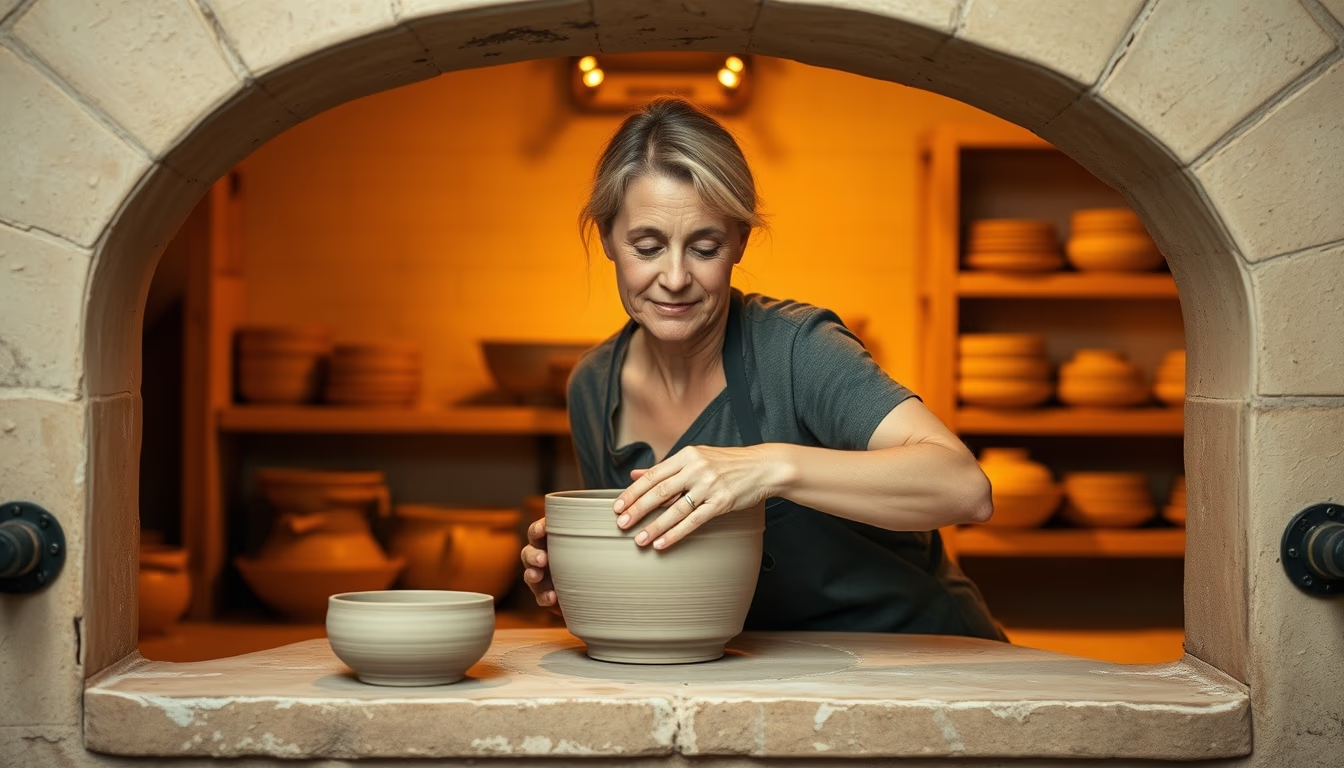
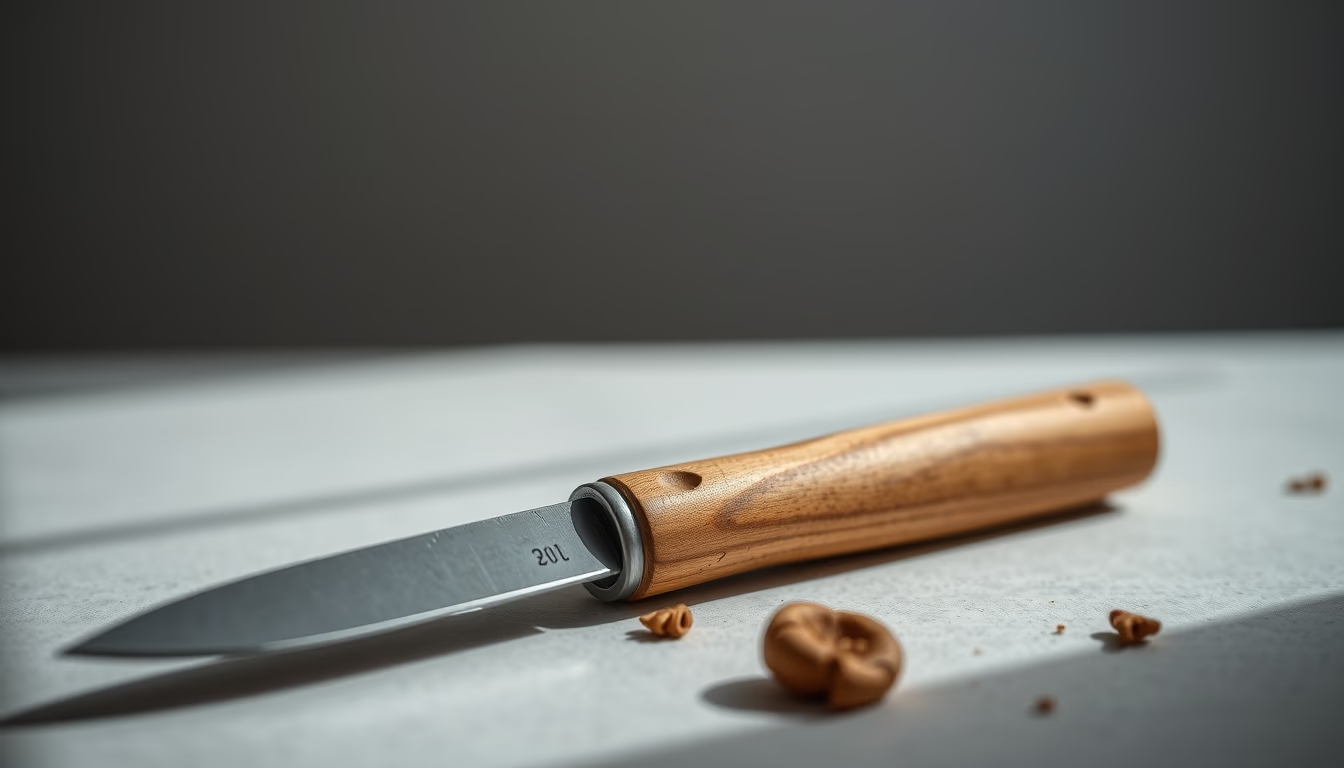
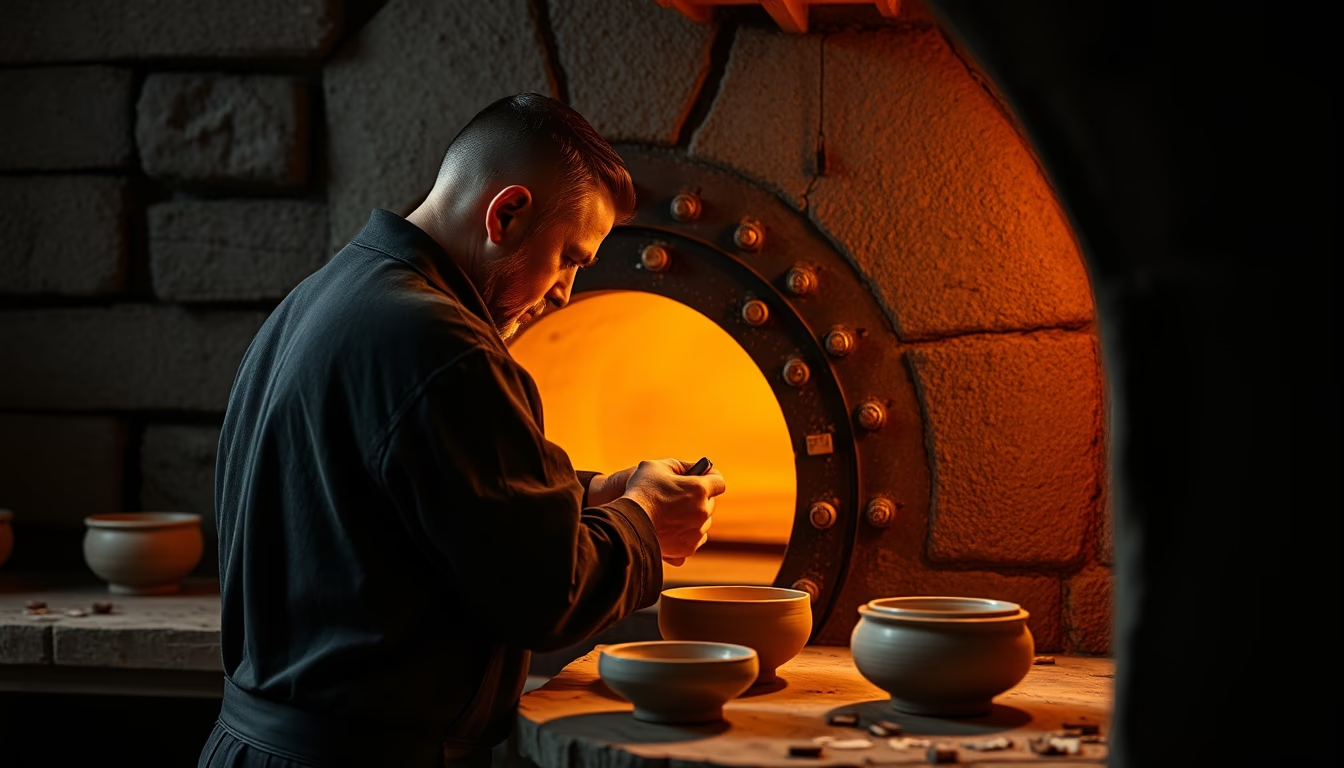
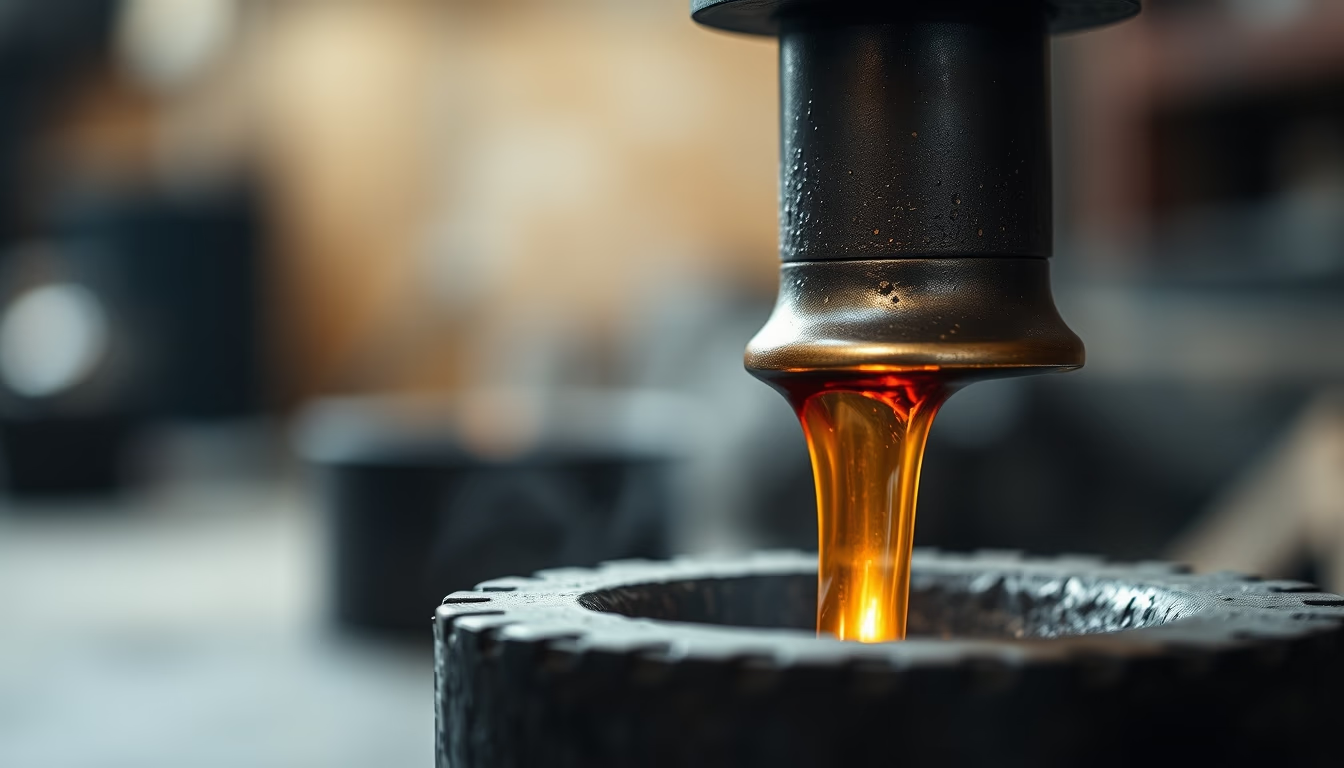
Firing clay in a kiln is a critical step in pottery, transforming raw clay into durable pieces and revealing unique colors and textures.
About this subject
Kiln firing is the process of subjecting clay objects to high temperatures to harden and waterproof them. There are two main stages: bisque firing, which hardens raw clay at about 900-1000°C, and glaze firing, which vitrifies coatings at higher temperatures (1000-1300°C) depending on clay and glaze type. The choice between electric, gas, or wood-fired kilns directly influences the atmosphere (oxidizing or reducing) and aesthetic outcomes.
Historically, the first ceramic kilns appeared over 10,000 years ago in the Middle East, evolving from simple pit fires to dome structures. In China, porcelain kilns reached 1280°C during the Song dynasty. Modern kilns with digital controllers enable precise heating ramps, but basic principles remain: water removal, organic matter burn-off, and mineral sintering.
During firing, physicochemical transformations occur: kaolinite decomposes, quartz changes phase, and metal oxides melt. Pyrometric cones indicate temperature or heat work. The cooling rate also affects results: rapid cooling can cause thermal shock cracks. Techniques like raku, anagama, and salt firing create unique surface effects.
Culturally, fired pottery is used for domestic utensils, religious art, and contemporary sculpture. In Brazil, traditions such as the fired clay of Vale do Jequitinhonha and Marajoara ceramics reflect centuries of transferred knowledge. Kiln firing is not merely technical but a creative act blending science and sensibility.
Frequently Asked Questions
What is the difference between bisque firing and glaze firing?
Bisque firing is the first firing, at 900-1000°C, making the clay porous and durable for glaze application. Glaze firing is the second, at higher temperatures, which melts the glaze to vitrify the piece.
How long does a typical kiln firing take?
A bisque firing can take 8-12 hours including cooling. Glaze firing can take 10-20 hours, depending on kiln size, target temperature, and cooling rate.
Can you fire pottery at home without a kiln?
Yes, with primitive techniques like pit firing, but with poor temperature control and high risk of breakage. Improvised clay kilns or sawdust firing are alternatives, but they do not reach high temperatures.
Direct URL
https://pub-c7d6a6ea828543ac903a74a341ccb2e1.r2.dev/imagens/kiln-pottery-firing-studio-editorial-portrait-fresh14.avifHow to credit
Include a visible link back to UtilizAí. Copy one of the snippets below:
<a href="https://xn--utiliza-eza.com/en/midia/imagens/kiln-pottery-firing-studio-editorial-portrait-fresh14">Kiln pottery firing</a> by <a href="https://xn--utiliza-eza.com">UtilizAí</a>, licensed under <a href="https://creativecommons.org/licenses/by/4.0/">CC BY 4.0</a>.
[Kiln pottery firing](https://xn--utiliza-eza.com/en/midia/imagens/kiln-pottery-firing-studio-editorial-portrait-fresh14) by [UtilizAí](https://xn--utiliza-eza.com), CC BY 4.0
License: CC-BY-4.0