Kiln pottery firing
1344×768 · AVIF · CC BY 4.0
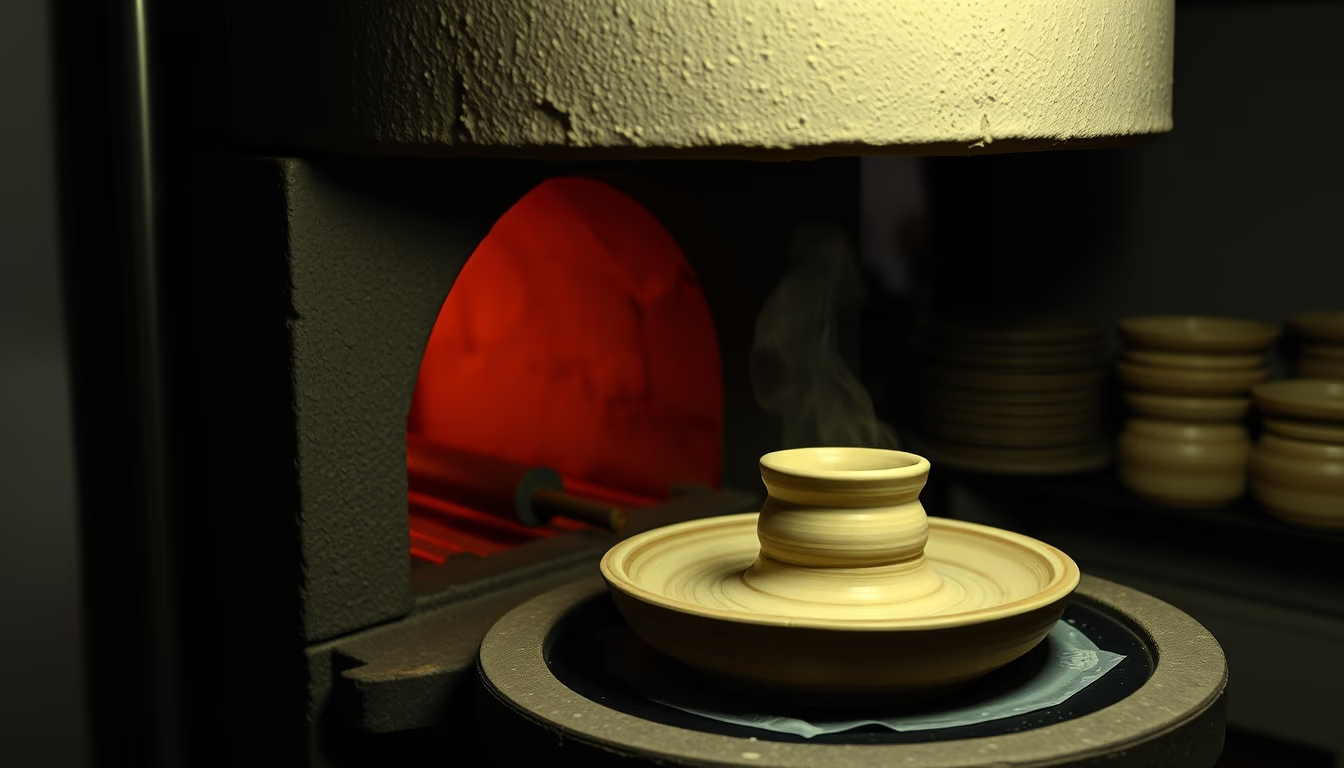
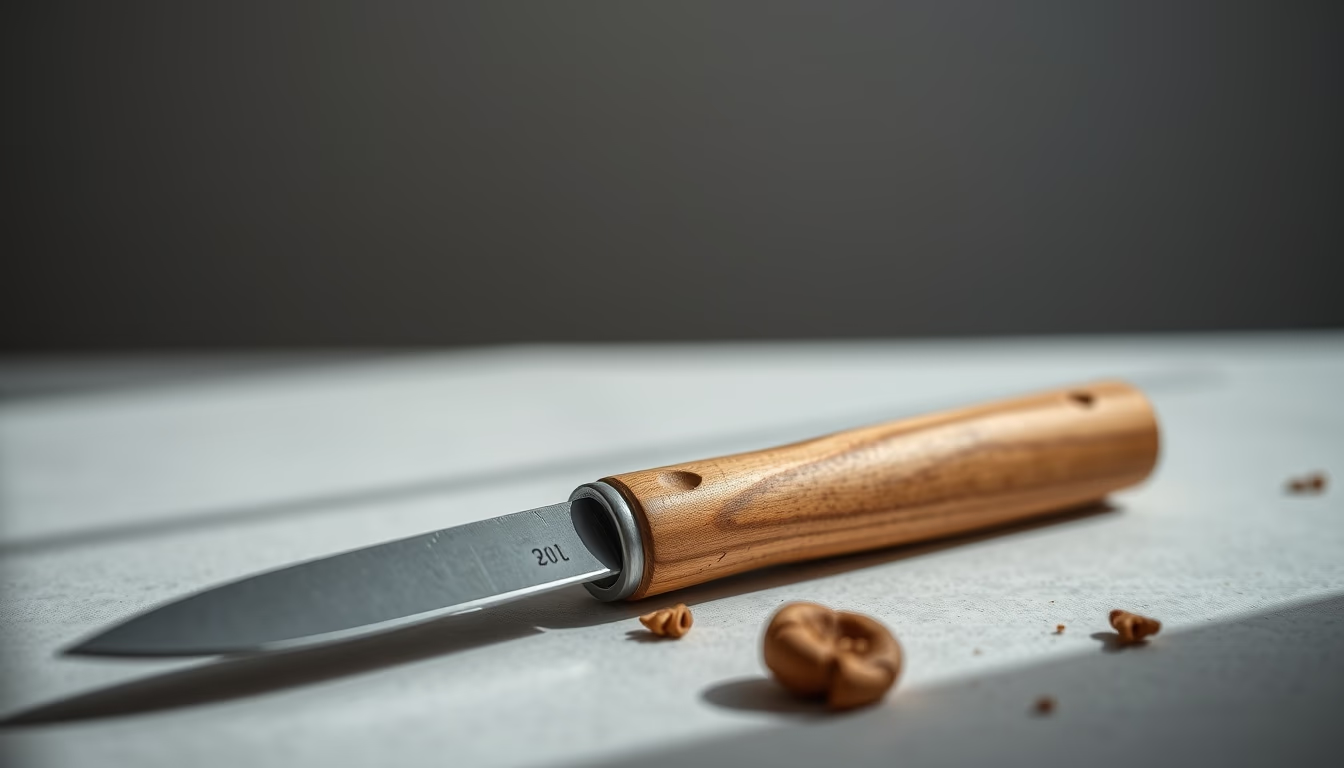
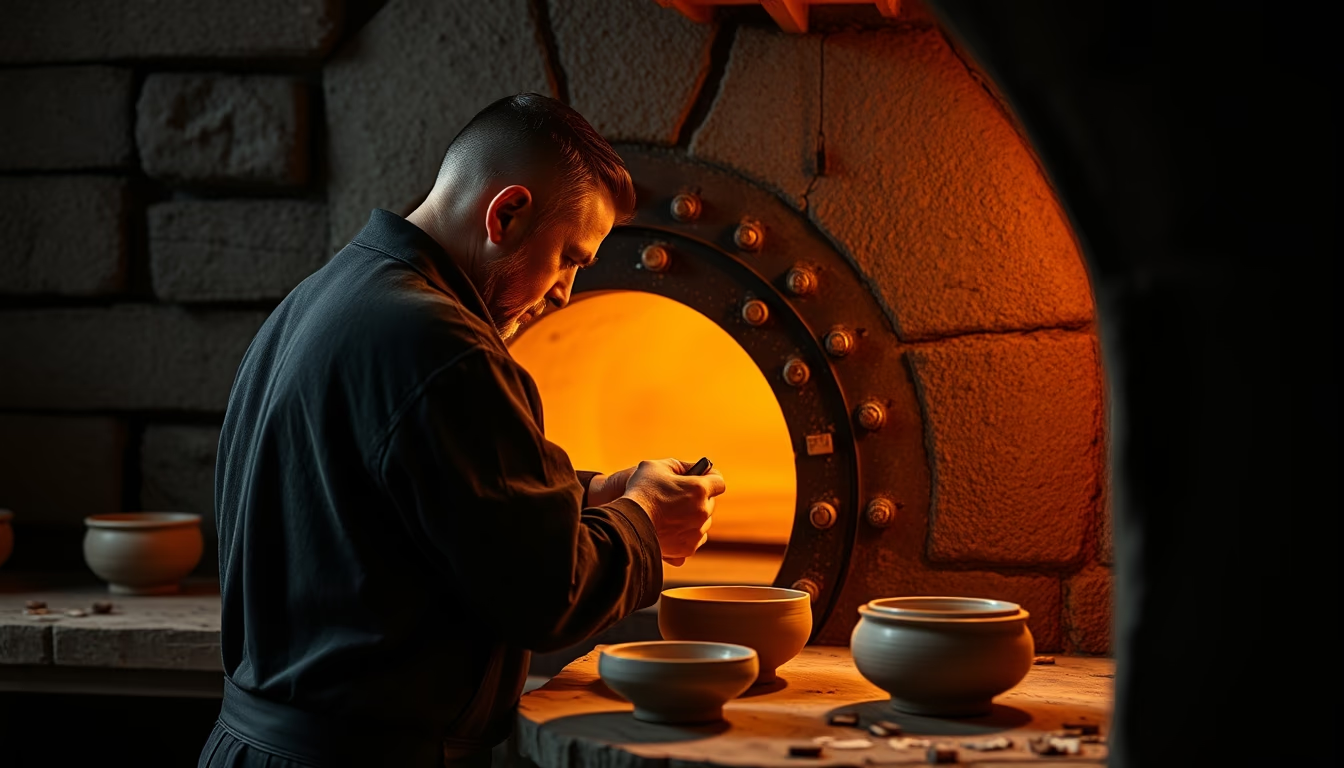
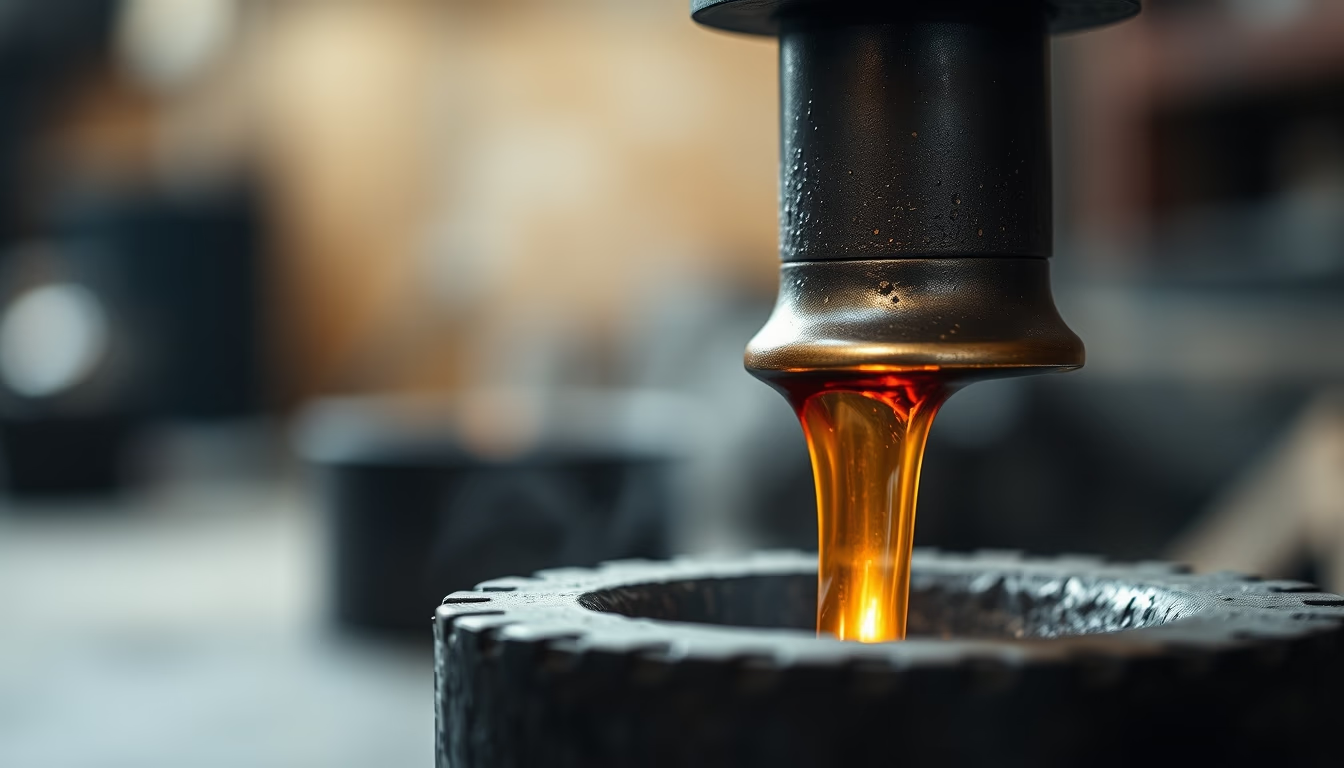
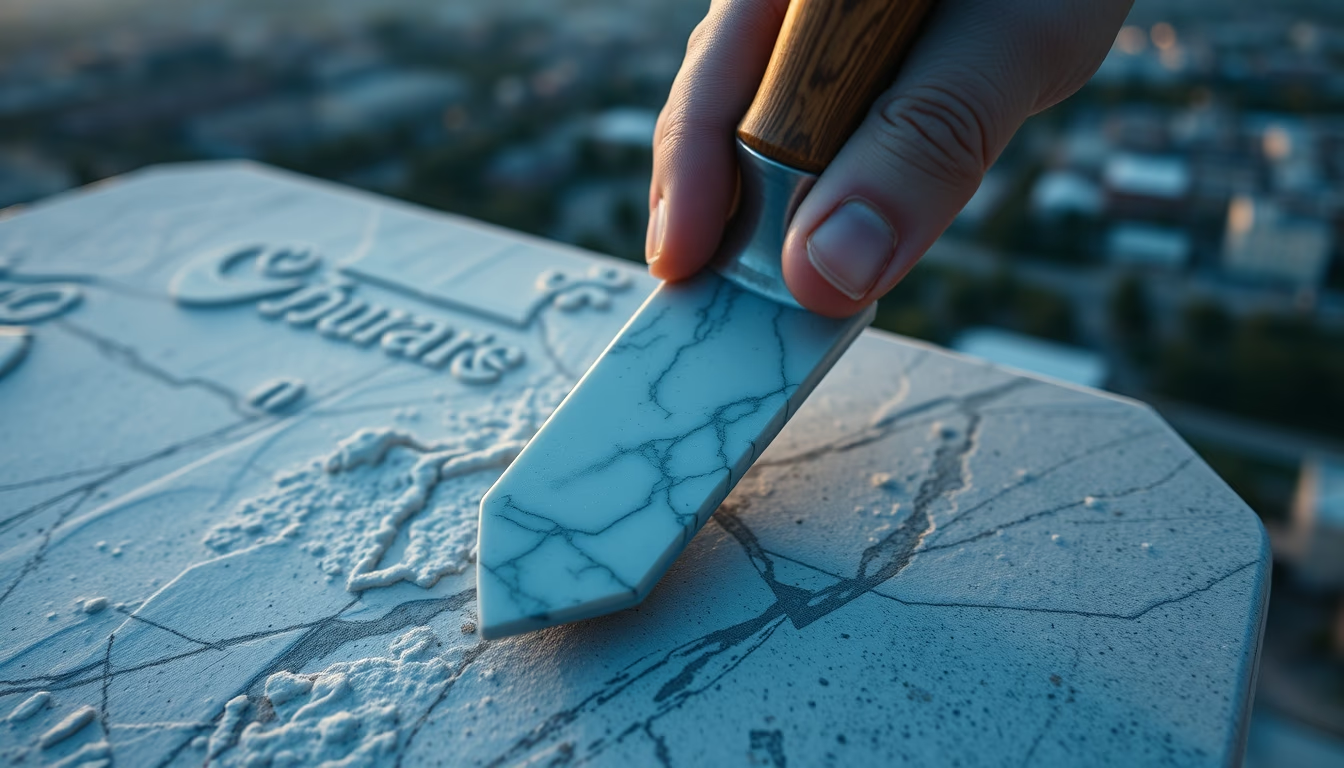
Kiln firing is the essential step that transforms clay into durable, vitrified ceramics, a technique mastered in Brazil since pre-colonial cultures.
About this subject
Kiln firing is the core process in ceramics. During firing, clay undergoes irreversible physical and chemical transformations: water evaporates, minerals sinter, and the piece gains strength. There are two main stages: bisque firing (800°C, 1000°C), which makes the piece porous and ready for glaze, and glaze firing (1000°C, 1300°C), which vitrifies the surface. Common kiln types include electric, gas, wood, and raku, each producing distinct aesthetic results.
Wood-fired kilns, such as the Japanese anagama, create unique effects through fly ash and flame paths. In Brazil, indigenous traditions like the Marajoara culture (400, 1400 CE) used simple pit kilns, while contemporary artists like Toshio Shibata (Japanese-Brazilian) employ anagama kilns for ash-glazed surfaces. In the Amazon, the Tapajo people produced intricate ceramics with modeled adornments, fired in open bonfires or rudimentary kilns.
Globally, the oldest known ceramic artifacts are 20,000-year-old figurines from the Xianrendong Cave in China. The invention of the kiln allowed higher temperatures and new possibilities, leading to stoneware and porcelain. Today, electric kilns dominate hobby studios, while gas and wood kilns are favored for their atmospheric effects. The firing atmosphere (oxidation vs. reduction) also affects the final color of clays and glazes.
Frequently Asked Questions
What is the ideal temperature for firing ceramics?
It depends on the clay and stage. Bisque firing is 800°C, 1000°C; glaze firing is 1000°C, 1300°C. Stoneware and porcelain require higher temperatures (1200°C, 1300°C), while earthenware fires at 1000°C, 1100°C.
What is the difference between bisque and glaze firing?
Bisque firing is the first firing that sinters the clay and makes it porous to absorb glaze. Glaze firing melts the glaze onto the piece, vitrifying the surface and adding color and impermeability.
How does a raku kiln work?
Raku kilns heat quickly to about 900°C, 1000°C. Glazed pieces are removed while red-hot and placed in containers with sawdust, paper, or straw for post-firing reduction, creating distinctive metallic or crackled effects.
Direct URL
https://pub-c7d6a6ea828543ac903a74a341ccb2e1.r2.dev/imagens/kiln-pottery-firing-lo-fi-disposable-camera-fresh5.avifHow to credit
Include a visible link back to UtilizAí. Copy one of the snippets below:
<a href="https://xn--utiliza-eza.com/en/midia/imagens/kiln-pottery-firing-lo-fi-disposable-camera-fresh5">Kiln pottery firing</a> by <a href="https://xn--utiliza-eza.com">UtilizAí</a>, licensed under <a href="https://creativecommons.org/licenses/by/4.0/">CC BY 4.0</a>.
[Kiln pottery firing](https://xn--utiliza-eza.com/en/midia/imagens/kiln-pottery-firing-lo-fi-disposable-camera-fresh5) by [UtilizAí](https://xn--utiliza-eza.com), CC BY 4.0
License: CC-BY-4.0