Kiln pottery firing
1344×768 · AVIF · CC BY 4.0
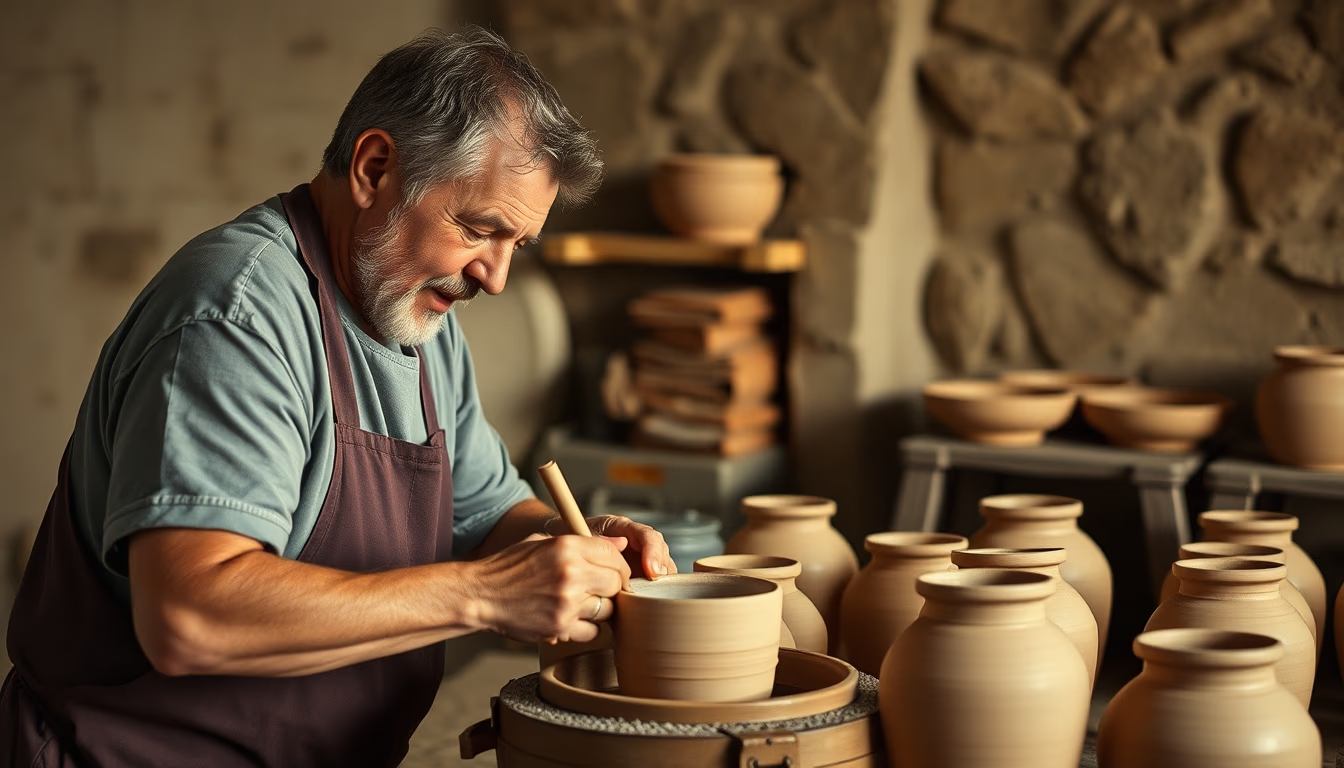
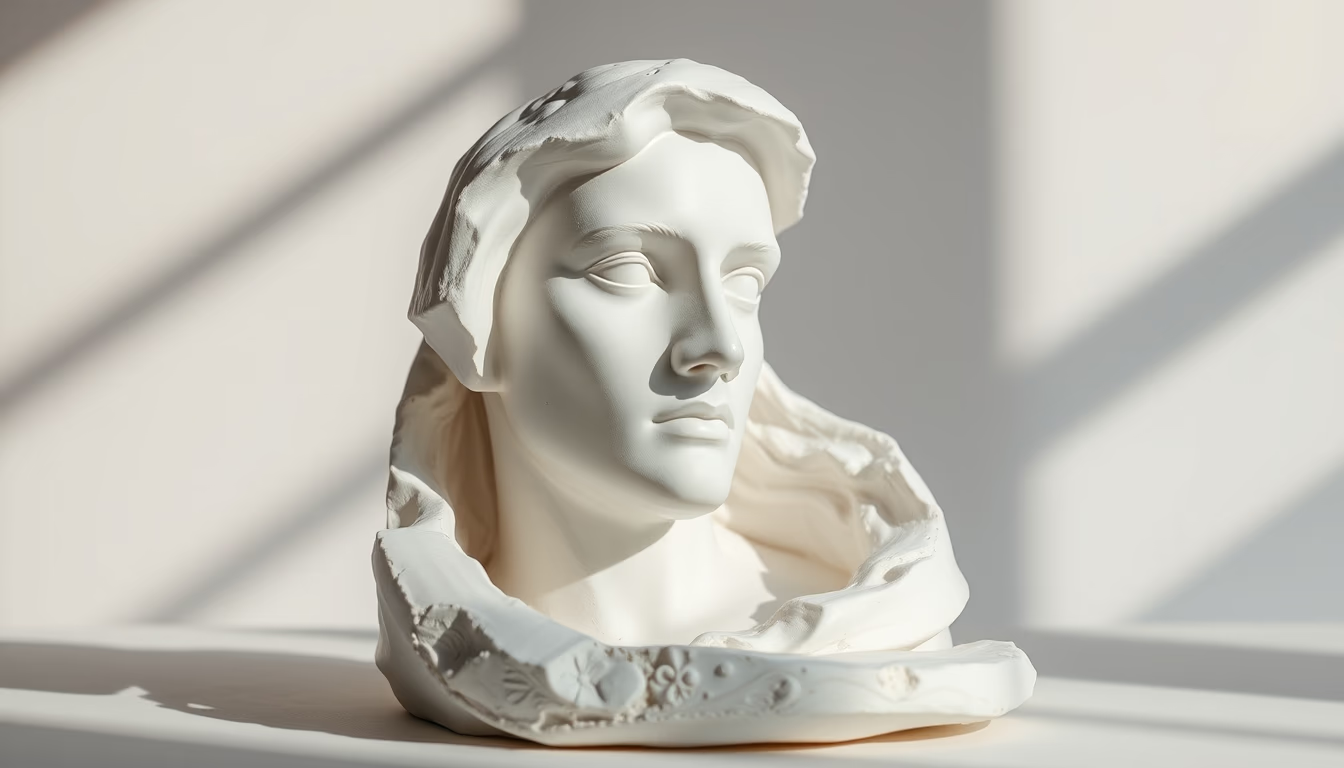
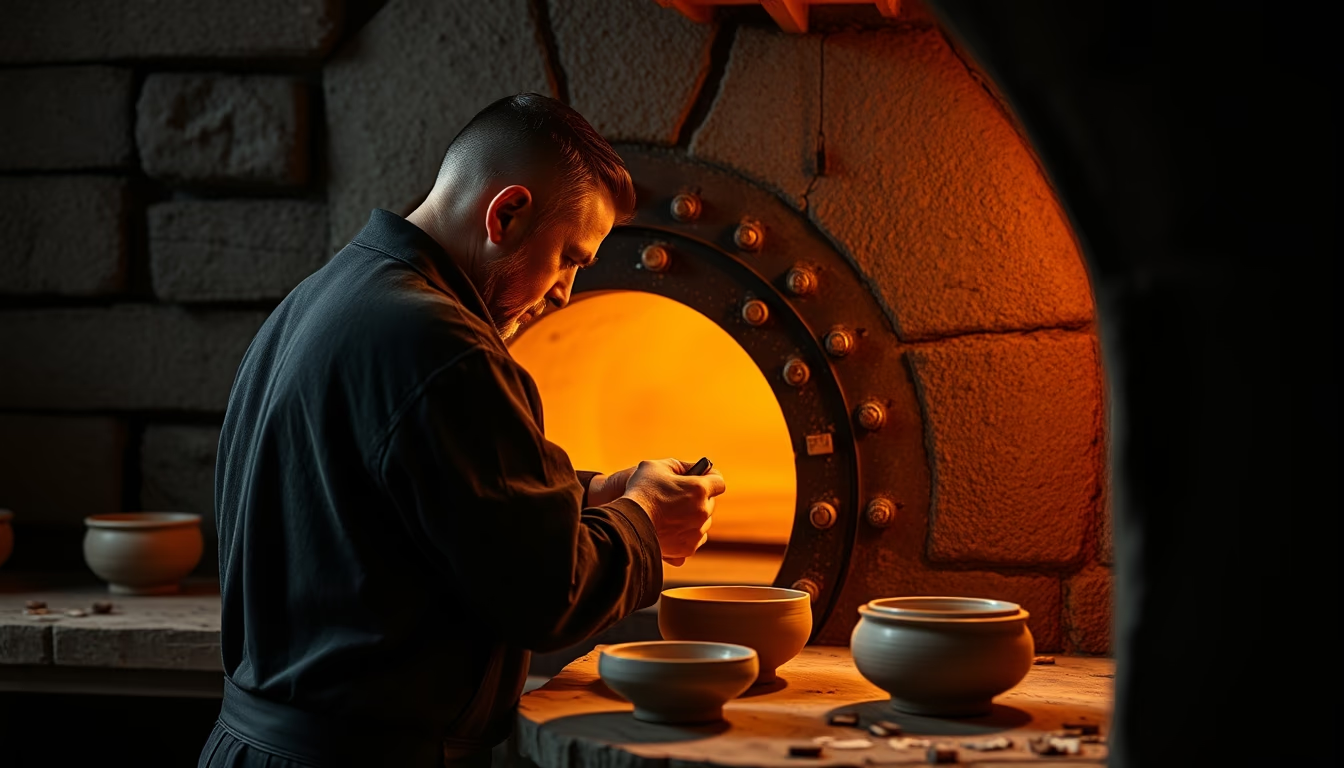
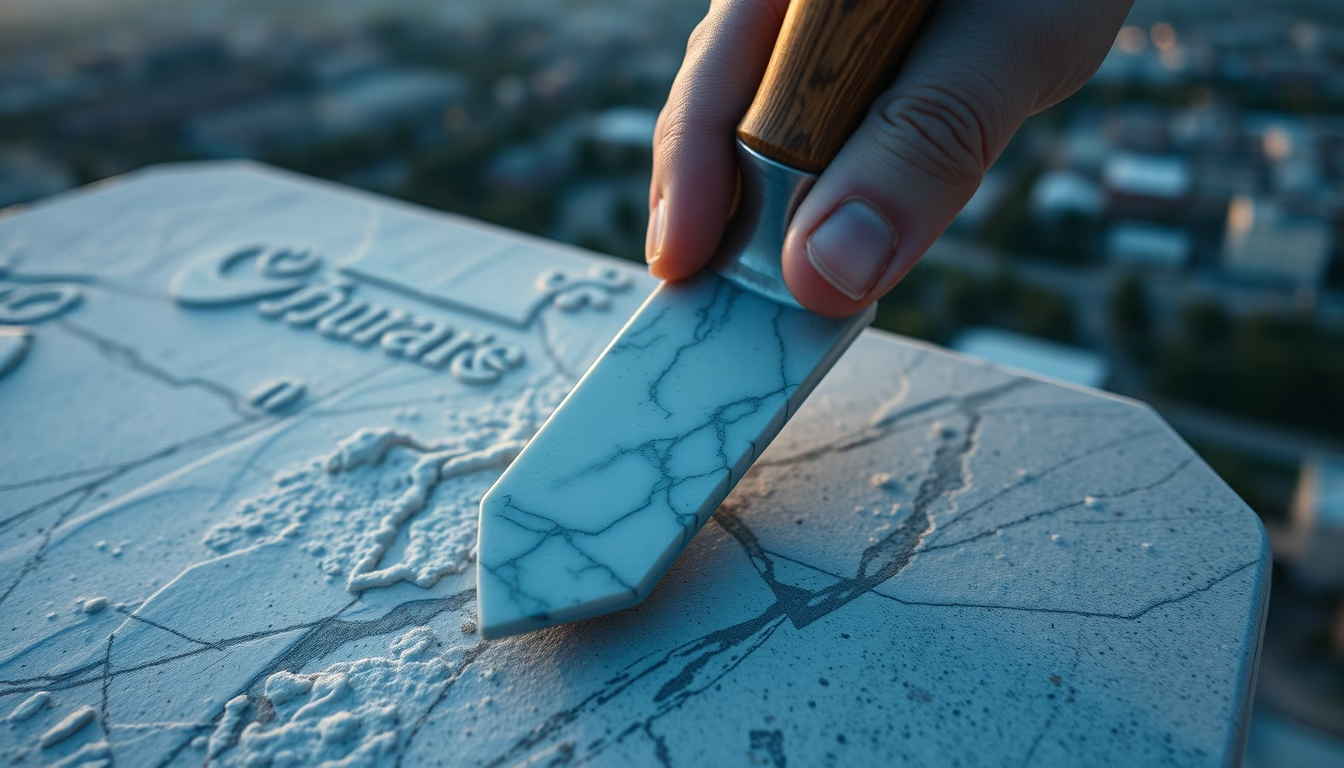
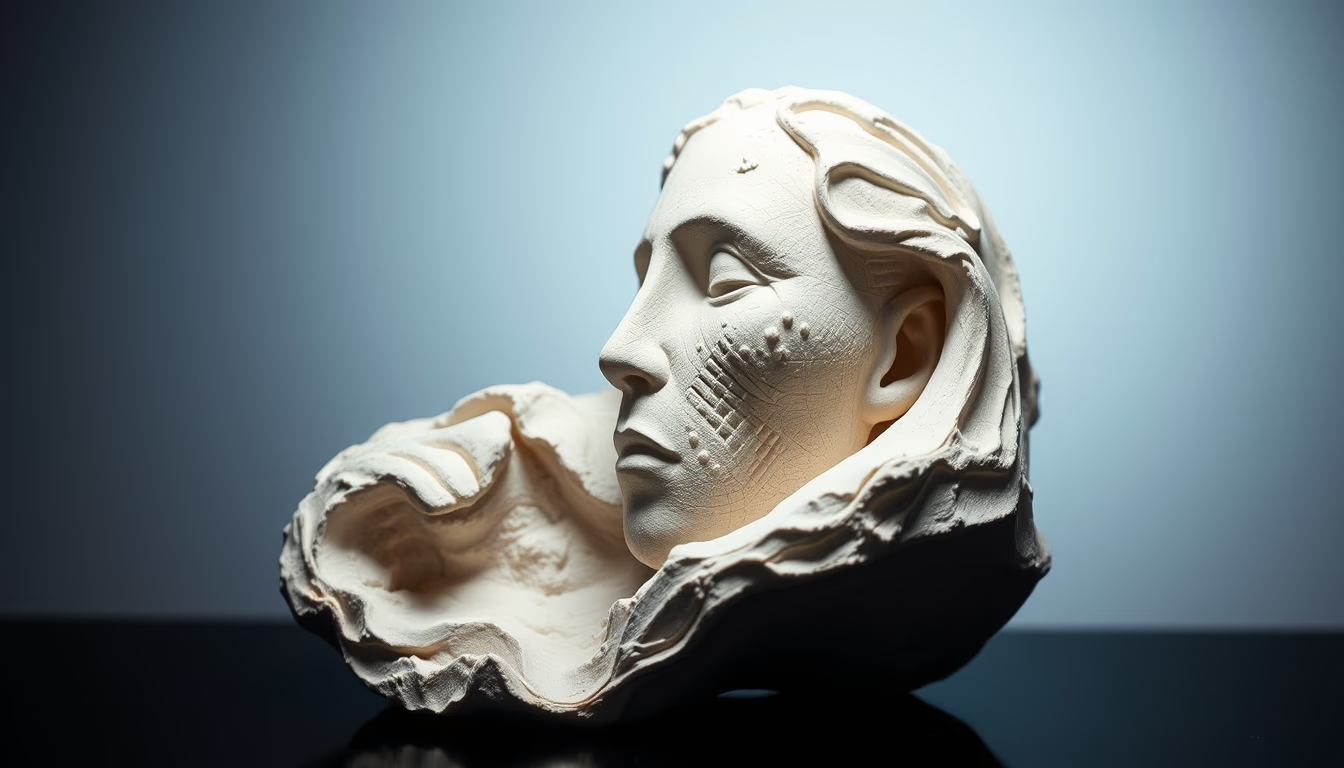
Firing pottery in kilns is a crucial step that transforms clay into durable objects, blending art and science.
About this subject
Firing pottery in kilns is one of humanity's oldest techniques, with evidence dating back over 20,000 years. During the process, clay is subjected to temperatures ranging from 600°C to over 1300°C, depending on the type of pottery and desired effects. This step removes chemically bound water from the clay and promotes sintering, where particles partially fuse, giving strength and impermeability to the piece. Different types of kilns exist, such as wood-fired, gas, electric, and traditional charcoal kilns, each influencing the final texture and color of the ceramics.
In Brazil, pottery production has strong indigenous and African heritage, notably in the Jequitinhonha Valley and Marajoara ceramics. Wood-fired kilns are still common in artisan communities, though electric kilns are preferred by contemporary ceramists for better temperature control. The firing atmosphere can be oxidizing or reducing, altering the colors of glazes and clay. For instance, high-fire ceramics like stoneware and porcelain require kilns reaching over 1200°C.
The firing technique also involves specific care, such as preheating to avoid thermal shock and slow cooling to prevent cracks. Many ceramists use pyrometric cones to monitor accumulated temperature. Additionally, experimental firings like raku and smoke firing produce unique effects that add aesthetic value to the pieces. Knowledge of the firing curve and kiln atmosphere is passed down through generations and adapted by modern artists, keeping this ancient tradition alive.
Interestingly, the word "ceramics" comes from the Greek "kéramos", meaning "burnt clay". The Industrial Revolution brought continuous and automated kilns, but the basic principle remains: fire transforms earth into art. Today, handmade ceramics are valued for their sustainability and uniqueness, contrasting with mass production. Events like the Ceramics Biennial and craft fairs celebrate the diversity of firing techniques around the world.
Frequently Asked Questions
What is the difference between electric and wood-fired kilns for pottery?
Electric kilns offer precise temperature control and an oxidizing atmosphere, favored by contemporary ceramists. Wood-fired kilns produce a reducing atmosphere and natural heat variations, resulting in unique surface effects on pieces, but require more skill and firing time.
What is raku firing and why is it famous?
Raku is a Japanese firing technique where the piece is removed from the kiln while red-hot and placed in contact with combustible materials, causing cracks and smoke that create irregular patterns. It is famous for its unpredictable results and organic aesthetics.
Why does pottery need to be fired at high temperatures?
High temperature causes sintering, fusing clay particles together, making the piece strong and waterproof. Without firing, clay would remain fragile and disintegrate when exposed to water.
Direct URL
https://pub-c7d6a6ea828543ac903a74a341ccb2e1.r2.dev/imagens/kiln-pottery-firing-film-grain-authentic-fresh4.avifHow to credit
Include a visible link back to UtilizAí. Copy one of the snippets below:
<a href="https://xn--utiliza-eza.com/en/midia/imagens/kiln-pottery-firing-film-grain-authentic-fresh4">Kiln pottery firing</a> by <a href="https://xn--utiliza-eza.com">UtilizAí</a>, licensed under <a href="https://creativecommons.org/licenses/by/4.0/">CC BY 4.0</a>.
[Kiln pottery firing](https://xn--utiliza-eza.com/en/midia/imagens/kiln-pottery-firing-film-grain-authentic-fresh4) by [UtilizAí](https://xn--utiliza-eza.com), CC BY 4.0
License: CC-BY-4.0