Kiln pottery firing
1344×768 · AVIF · CC BY 4.0
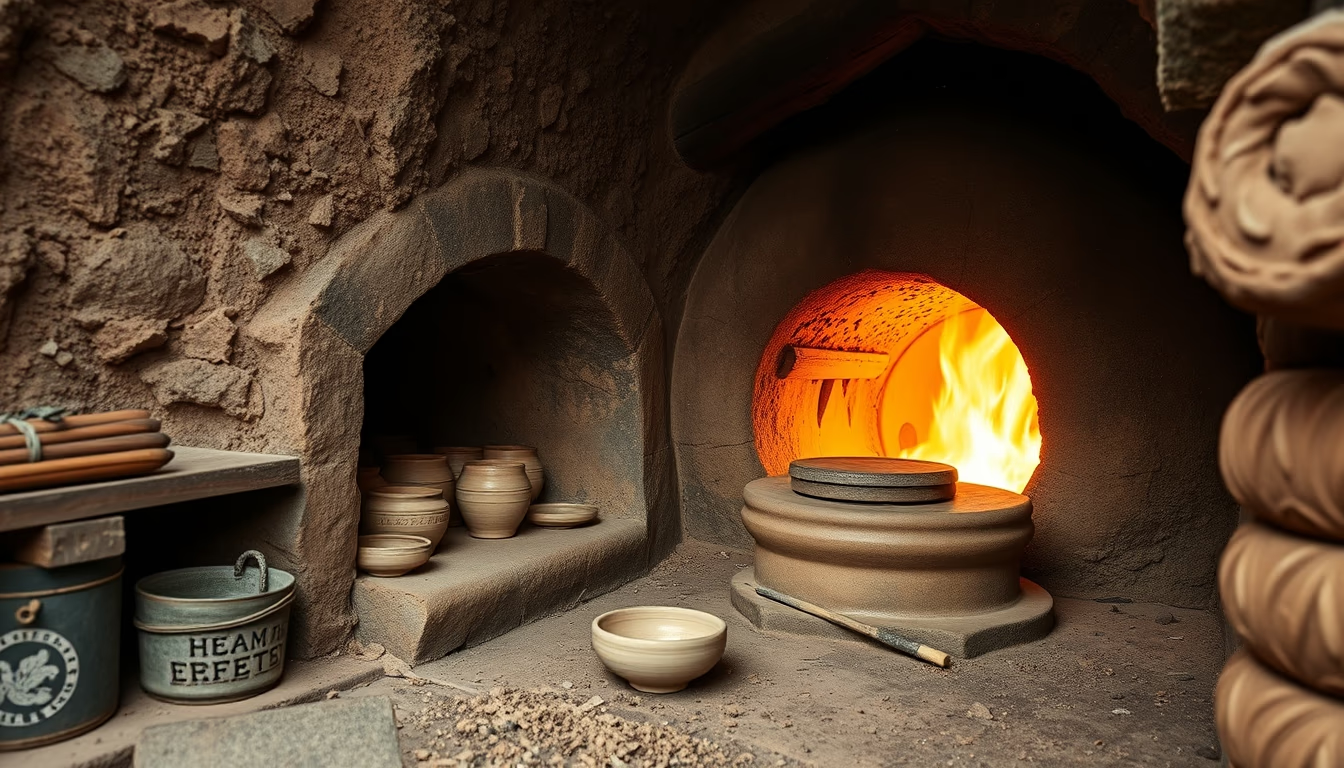
The process of firing pottery in kilns, essential for ceramic production, with techniques varying across cultures and eras.
About this subject
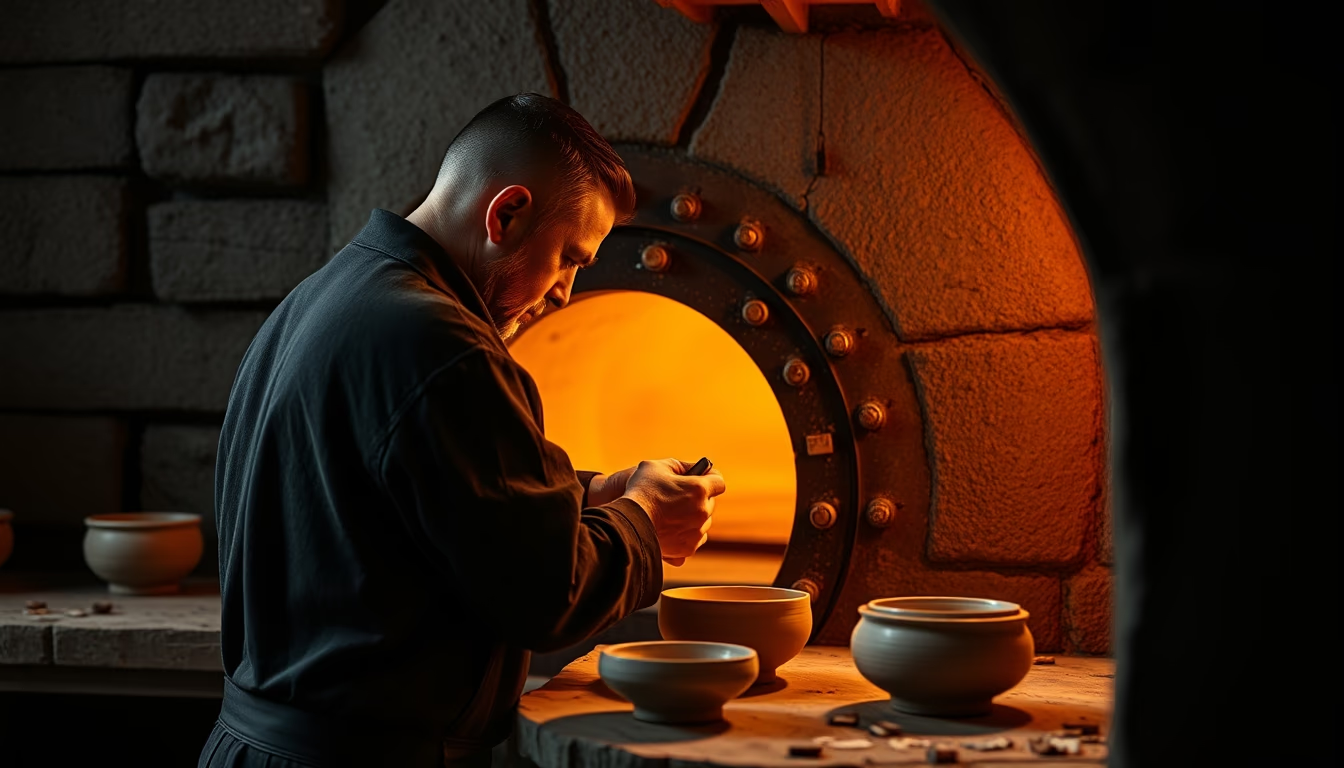
Firing pottery in kilns is a crucial step in transforming clay into durable and functional objects. During firing, pieces are subjected to high temperatures, typically between 800°C and 1300°C, depending on the type of clay and desired finish. This process eliminates chemically bound water, fuses silica particles, and promotes vitrification, giving strength and impermeability to the piece.
There are various types of kilns, from primitive pit kilns to modern electric and gas kilns. In Asia, traditional clay kilns, such as those used in Japanese Raku pottery, provide fast firings and reducing atmospheres that create unique effects. In Europe, large wood-fired kilns, like those in the Coimbra ceramic tradition, allow long firings that produce vitrified and resistant pieces.
Firing can be divided into two main phases: bisque firing, carried out at around 1000°C, which turns clay into a porous body resistant to water, and glaze firing, where a vitreous layer is melted onto the piece at higher temperatures. The atmosphere inside the kiln (oxidizing or reducing) directly influences the color and texture of glazes and clay.
Interestingly, ceramic firing is one of the oldest human technologies, with evidence of kilns dating back to 10,000 BCE in the Middle East. In Brazil, the production of utility and decorative pottery keeps alive indigenous and colonial traditions, with rustic kilns like the wood-fired clay kiln still used in artisanal communities.
Frequently Asked Questions
What is the ideal temperature for firing ceramics?
The ideal temperature varies with the type of clay and desired effect, but generally ranges from 800°C to 1300°C. Bisque firing uses about 1000°C, while glaze firing can reach 1300°C.
What are the main types of kilns for pottery?
The main types include electric, gas, wood-fired, and pit kilns. Each offers different atmospheres and temperature profiles, influencing the final result of the pieces.
What is a reducing atmosphere in firing?
A reducing atmosphere occurs when there is insufficient oxygen inside the kiln, altering the color of glazes and clay. It is widely used in Raku pottery and Eastern techniques to create metallic or darkened effects.
Direct URL
https://pub-c7d6a6ea828543ac903a74a341ccb2e1.r2.dev/imagens/kiln-pottery-firing-documentary-nature-style-fresh1.avifHow to credit
Include a visible link back to UtilizAí. Copy one of the snippets below:
<a href="https://xn--utiliza-eza.com/en/midia/imagens/kiln-pottery-firing-documentary-nature-style-fresh1">Kiln pottery firing</a> by <a href="https://xn--utiliza-eza.com">UtilizAí</a>, licensed under <a href="https://creativecommons.org/licenses/by/4.0/">CC BY 4.0</a>.
[Kiln pottery firing](https://xn--utiliza-eza.com/en/midia/imagens/kiln-pottery-firing-documentary-nature-style-fresh1) by [UtilizAí](https://xn--utiliza-eza.com), CC BY 4.0
License: CC-BY-4.0