Kiln pottery firing
1344×768 · AVIF · CC BY 4.0
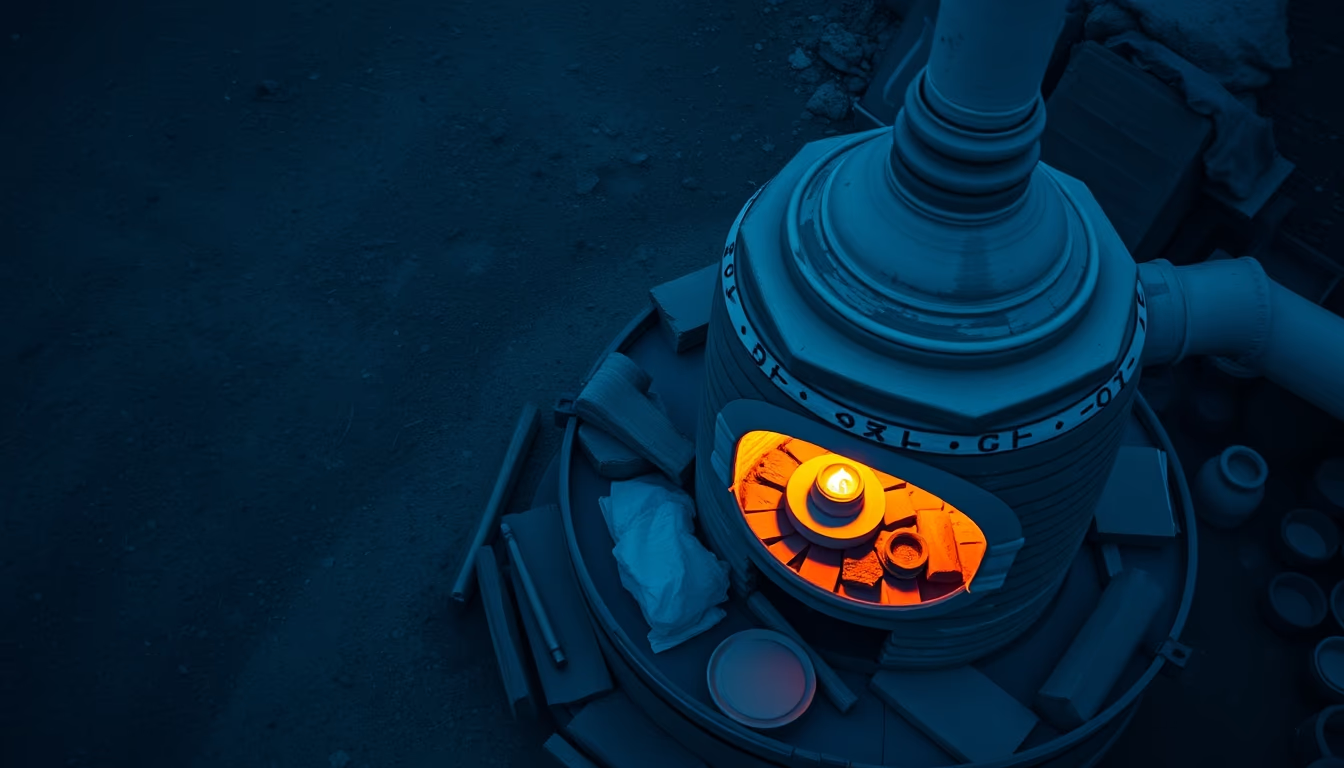
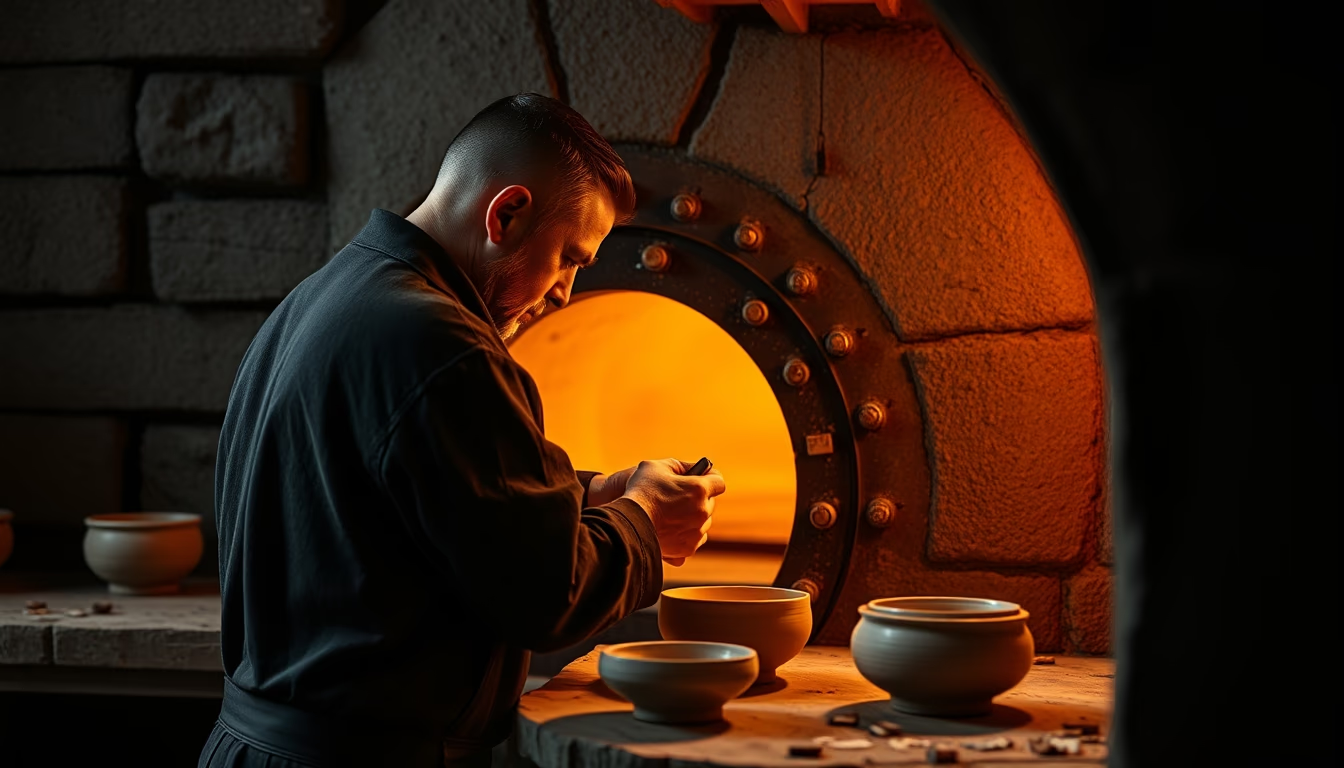
A kiln in operation during the firing process of handmade pots and vessels, an essential stage in ceramic production.
About this subject
Firing clay in kilns is one of the most critical stages in pottery production. During the process, pieces are subjected to temperatures ranging from 800°C to 1300°C, depending on the type of clay and desired finish. The physical and chemical transformation turns porous clay into a hard, durable, waterproof material. Kilns come in many types, such as wood-fired, gas, electric, and traditional pit or ground kilns, each with specific characteristics that affect the final outcome.
Culturally, ceramic firing is rooted in many societies worldwide. In Brazil, indigenous and quilombola communities maintain ancient firing techniques in open pits or rudimentary kilns, passed down through generations. The city of São Miguel das Missões in Rio Grande do Sul is known for its handmade ceramics using wood-fired kilns. In regions like the Jequitinhonha Valley in Minas Gerais, firing takes place in clay-lined kilns that give a unique finish to the pieces.
From a technical standpoint, firing is divided into stages: bisque (first firing at about 900°C), glazing (application of glazes), and glaze firing (between 1000°C and 1300°C). Controlling the kiln atmosphere, oxidizing or reducing, also alters colors and textures. For example, a reducing atmosphere produces the characteristic grayish or reddish tones of Japanese Raku pottery. The duration of the cycle can range from hours to days, depending on volume and technique.
Interestingly, ceramics are among the oldest human artifacts, with kiln remains dating back to 29,000 BC in the Czech Republic. Today, the pursuit of energy efficiency and sustainability has led to the adoption of computer-controlled electric kilns, which reduce emissions and ensure greater precision. However, wood-fired kilns remain favored by artists seeking organic and unpredictable effects.
Frequently Asked Questions
What is the ideal temperature for firing ceramics?
It depends on the clay type and finish. Bisque firing occurs between 800°C and 1000°C, while glaze firing ranges from 1000°C to 1300°C. Low-fire clays (earthenware) fire at 850°C, 1050°C; stoneware and porcelain require temperatures above 1200°C.
What is the kiln atmosphere and how does it affect ceramics?
The atmosphere refers to the oxygen level inside the kiln during firing. In an oxidizing atmosphere (high oxygen), colors are brighter and lighter. In a reducing atmosphere (low oxygen), metal oxides change, producing dark, gray, or reddish tones, typical of Raku pottery and wood-fired kilns.
How long does it take to fire a ceramic kiln?
It can range from a few hours to several days. Small electric kilns take 8, 12 hours for a full cycle. Large wood-fired kilns used in potteries may fire for 24, 72 hours, including slow cooling to prevent cracking.
Direct URL
https://pub-c7d6a6ea828543ac903a74a341ccb2e1.r2.dev/imagens/kiln-pottery-firing-aerial-drone-shot-fresh15.avifHow to credit
Include a visible link back to UtilizAí. Copy one of the snippets below:
<a href="https://xn--utiliza-eza.com/en/midia/imagens/kiln-pottery-firing-aerial-drone-shot-fresh15">Kiln pottery firing</a> by <a href="https://xn--utiliza-eza.com">UtilizAí</a>, licensed under <a href="https://creativecommons.org/licenses/by/4.0/">CC BY 4.0</a>.
[Kiln pottery firing](https://xn--utiliza-eza.com/en/midia/imagens/kiln-pottery-firing-aerial-drone-shot-fresh15) by [UtilizAí](https://xn--utiliza-eza.com), CC BY 4.0
License: CC-BY-4.0