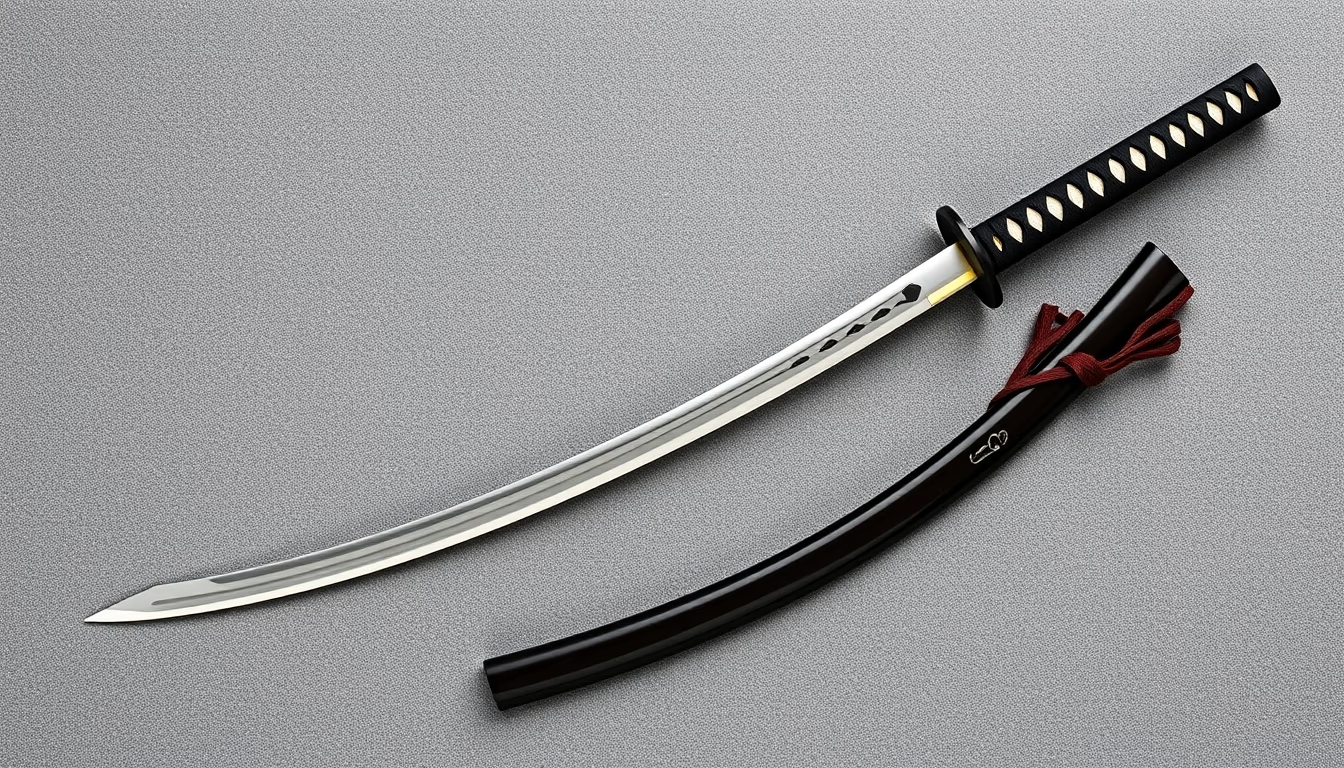
Katana japanese curved
1344×768 · AVIF · CC BY 4.0
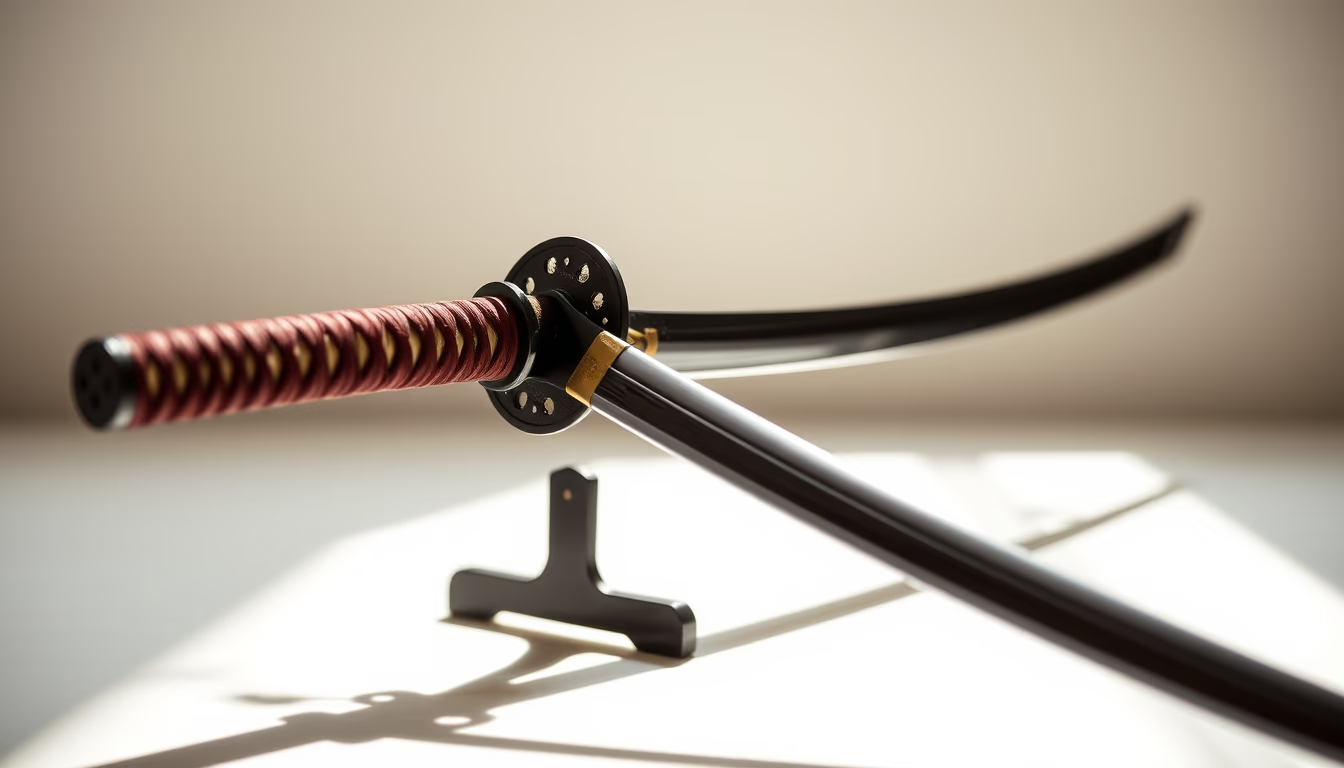
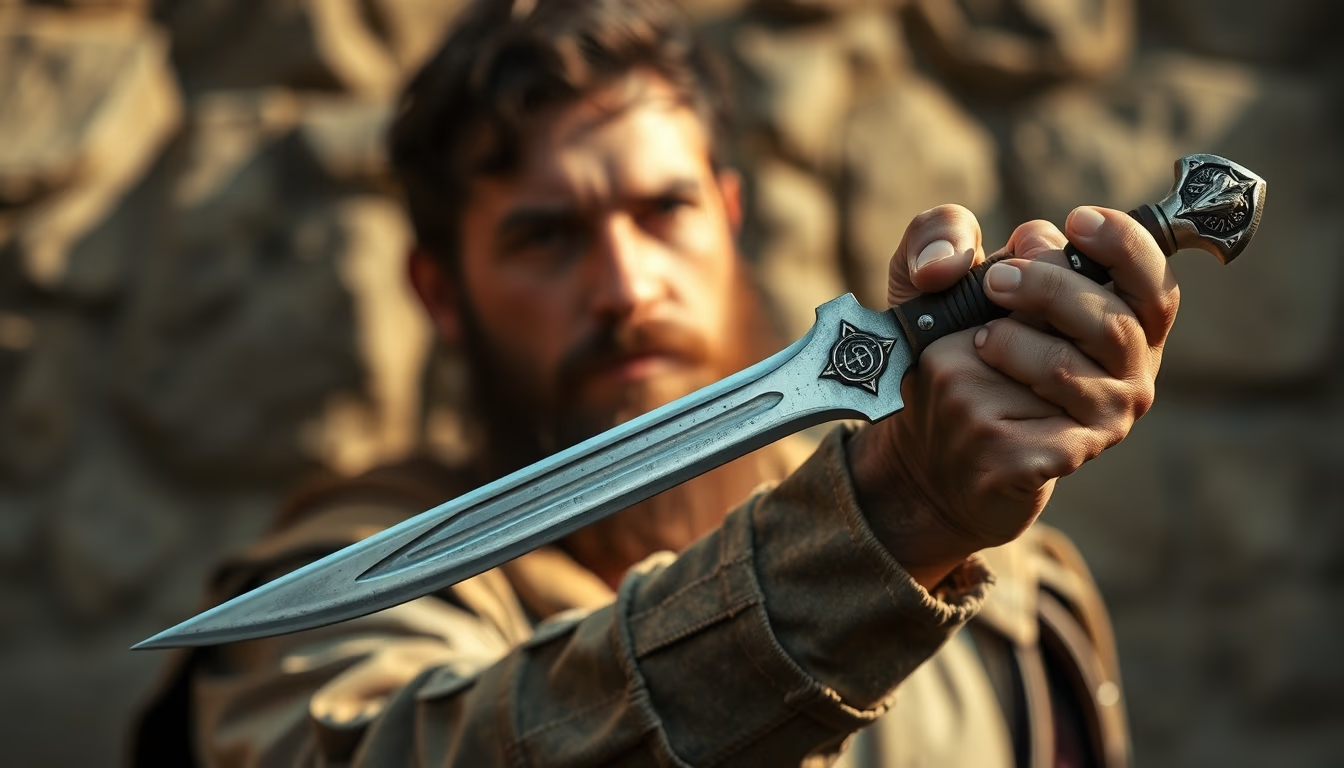
The katana is a Japanese curved sword, renowned for its central role in samurai culture and its exceptional forging quality.
About this subject
The katana is a Japanese sword characterized by its long, curved blade, a single cutting edge, and an elongated hilt designed for two-handed use. Its distinctive curvature, known as sori, varies among models and historical periods but is usually more pronounced near the base of the blade. This shape enabled swift and efficient cutting strokes, ideal for both mounted and foot combat, perfected by samurai over centuries.
Historically, the katana emerged during the Kamakura period (1185, 1333), as battle tactics evolved to counter Mongol invasions and civil wars. Japanese smiths developed advanced steel folding techniques, such as differential lamination, which created a hard edge and a flexible spine. This process, combined with selective hardening (yaki-ire), produced the hamon, a wavy pattern along the edge that not only increased strength but also added aesthetic beauty.
The katana was more than a weapon; it was a symbol of a samurai's status and soul, often regarded as an extension of his spirit. During the peaceful Edo period (1603, 1868), the katana became more of an art object and ceremonial item, with blades signed by renowned craftsmen. After the Meiji Restoration, sword wearing was banned, but the forging tradition continued as cultural heritage, influencing modern pop culture, from films to anime.
Today, the katana is valued by collectors and martial arts practitioners of iaido and kendo. Its production is a meticulous process that can take months, involving selection of tamahagane steel and techniques passed down through generations. The curved blade, combined with balance and ergonomic design, makes the katana one of the most iconic and revered swords in the world.
Frequently Asked Questions
What is the difference between a katana and a tachi?
A katana has a shorter blade and a less pronounced curvature than a tachi, and it is worn with the edge facing upward in the obi (belt), whereas a tachi was suspended with the edge downward. The katana emerged later, in the Kamakura period, and was designed for foot combat.
How was a traditional katana blade made?
The blade was forged from tamahagane steel, derived from iron sand. The steel was repeatedly folded to remove impurities and create homogeneous layers. Then, a clay coating was applied to the spine before quenching, resulting in the hamon and differential hardness.
Is the katana still used in combat today?
No, katanas are primarily used in traditional martial arts such as kendo and iaido, or as collector's items and decoration. They are no longer military combat weapons, but continue to be made by licensed artisans in Japan.
Direct URL
https://pub-c7d6a6ea828543ac903a74a341ccb2e1.r2.dev/imagens/katana-japanese-curved-minimalist-composition-fresh6.avifHow to credit
Include a visible link back to UtilizAí. Copy one of the snippets below:
<a href="https://xn--utiliza-eza.com/en/midia/imagens/katana-japanese-curved-minimalist-composition-fresh6">Katana japanese curved</a> by <a href="https://xn--utiliza-eza.com">UtilizAí</a>, licensed under <a href="https://creativecommons.org/licenses/by/4.0/">CC BY 4.0</a>.
[Katana japanese curved](https://xn--utiliza-eza.com/en/midia/imagens/katana-japanese-curved-minimalist-composition-fresh6) by [UtilizAí](https://xn--utiliza-eza.com), CC BY 4.0
License: CC-BY-4.0