Katana japanese curved
1344×768 · AVIF · CC BY 4.0
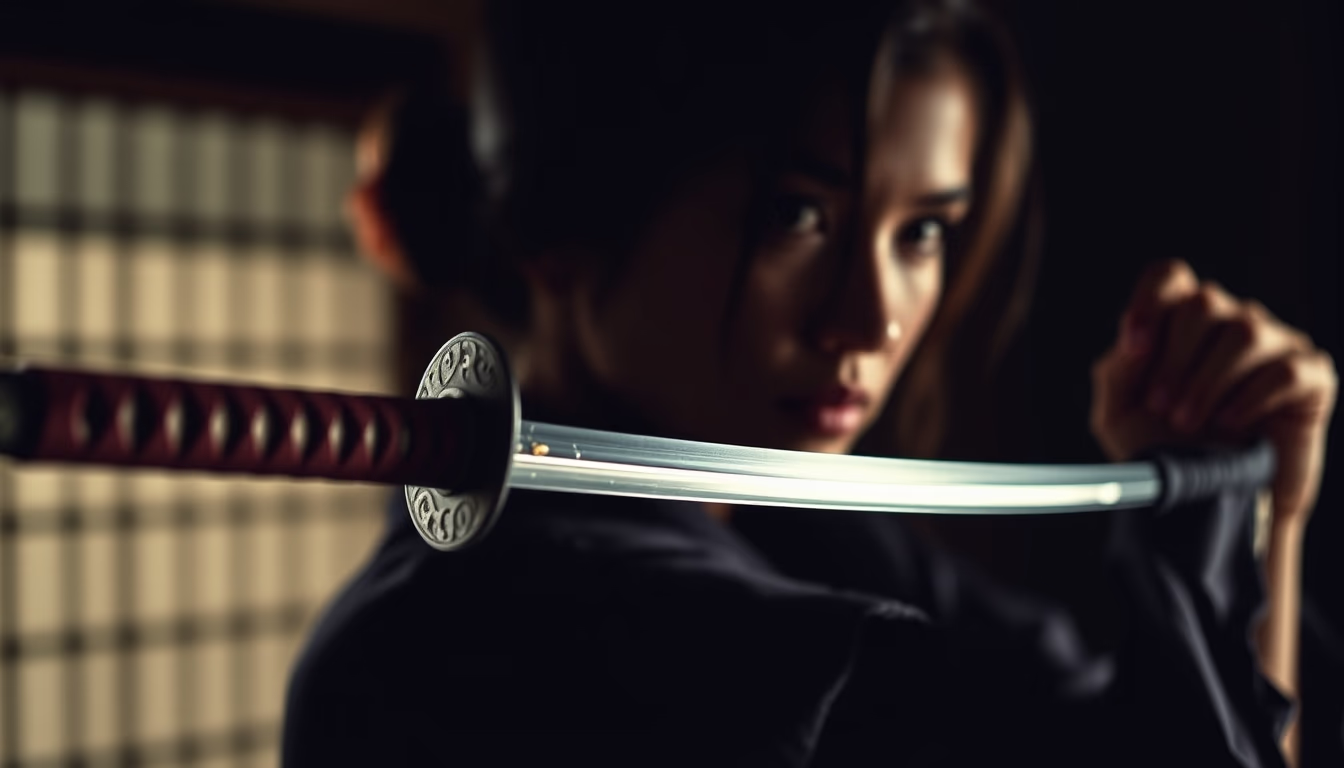
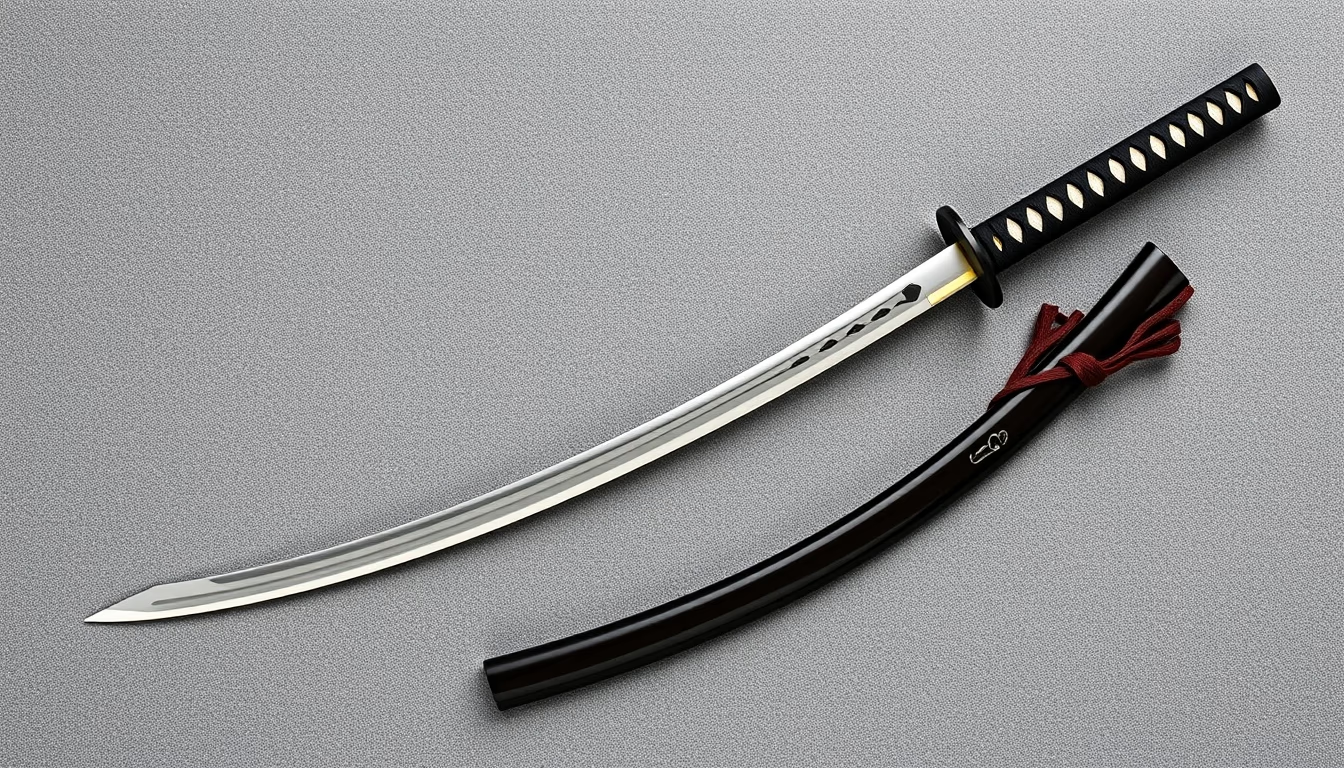
The katana is a Japanese sword with a curved, single-edged blade, symbol of the samurai and a masterpiece of traditional metallurgy.
About this subject
The katana is a Japanese sword with a curved, slender, single-edged blade, designed for swift and precise cuts. Its origins date back to the Kamakura period (1185, 1333), when frequent warfare demanded a versatile weapon for samurai on horseback. The blade curvature (sori) enables a smoother draw and more efficient strike, leveraging body movement.
Forging a katana is a complex artisanal process involving repeated folding of steel (tamahagane) to remove impurities and create alternating layers of hard and malleable steel. This differential forging produces an extremely sharp edge and a resilient body. The temper line (hamon) on the blade side results from selective heat treatment: clay is applied to control cooling, creating a harder edge and a more flexible spine.
Beyond its martial function, the katana is regarded as a work of art and a spiritual symbol in Japan. During the Edo period (1603, 1868), it became a status accessory for samurai, representing honor and discipline. After the abolition of the samurai class in the 19th century, katana production declined, but historical and artistic interest persisted. Today, authentic katanas are classified as national treasures, and their manufacture is restricted to licensed masters.
The katana has also influenced global pop culture, appearing in films, anime, and games as a symbol of precision and mysticism. However, most commercial replicas do not reproduce the metallurgical quality of original pieces, which can take months to forge. Collectors and martial arts practitioners (such as iaido and kenjutsu) value the katana as a link to Japan's feudal history.
Frequently Asked Questions
What is the difference between a katana and a Chinese sword?
The katana has a curved, single-edged blade, while Chinese swords (like the jian) are usually straight and double-edged. The katana's curvature favors slicing cuts, whereas the jian is more often used for thrusting.
How long does it take to forge a traditional katana?
Forging a handmade katana can take from three months to over a year, depending on the complexity of the steel pattern and heat treatment.
Is it legal to own a katana in Brazil?
Yes, it is legal to own a katana as a collector's item or decoration, as long as it is not used as a weapon. Import and possession follow Brazilian Army regulations on bladed weapons.
Direct URL
https://pub-c7d6a6ea828543ac903a74a341ccb2e1.r2.dev/imagens/katana-japanese-curved-fine-art-photography-fresh7.avifHow to credit
Include a visible link back to UtilizAí. Copy one of the snippets below:
<a href="https://xn--utiliza-eza.com/en/midia/imagens/katana-japanese-curved-fine-art-photography-fresh7">Katana japanese curved</a> by <a href="https://xn--utiliza-eza.com">UtilizAí</a>, licensed under <a href="https://creativecommons.org/licenses/by/4.0/">CC BY 4.0</a>.
[Katana japanese curved](https://xn--utiliza-eza.com/en/midia/imagens/katana-japanese-curved-fine-art-photography-fresh7) by [UtilizAí](https://xn--utiliza-eza.com), CC BY 4.0
License: CC-BY-4.0