Katana japanese curved
1344×768 · AVIF · CC BY 4.0
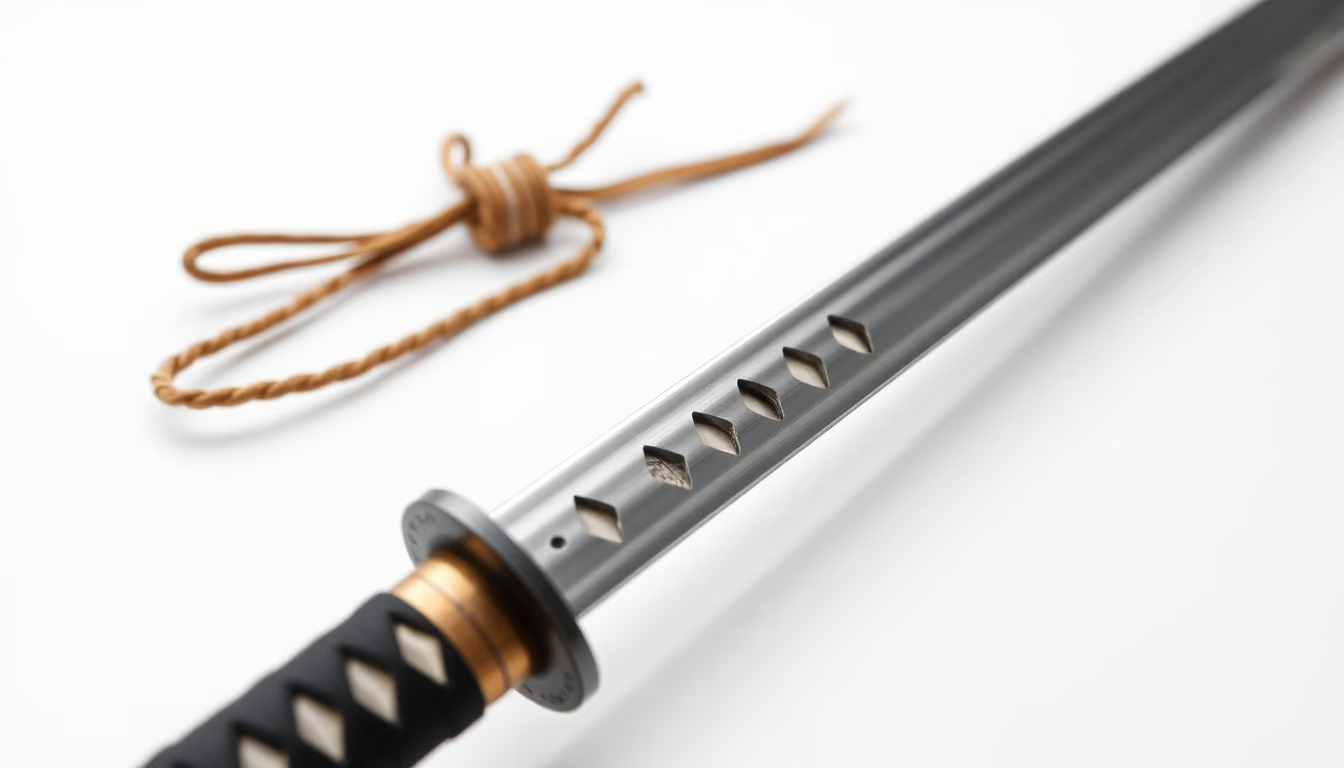
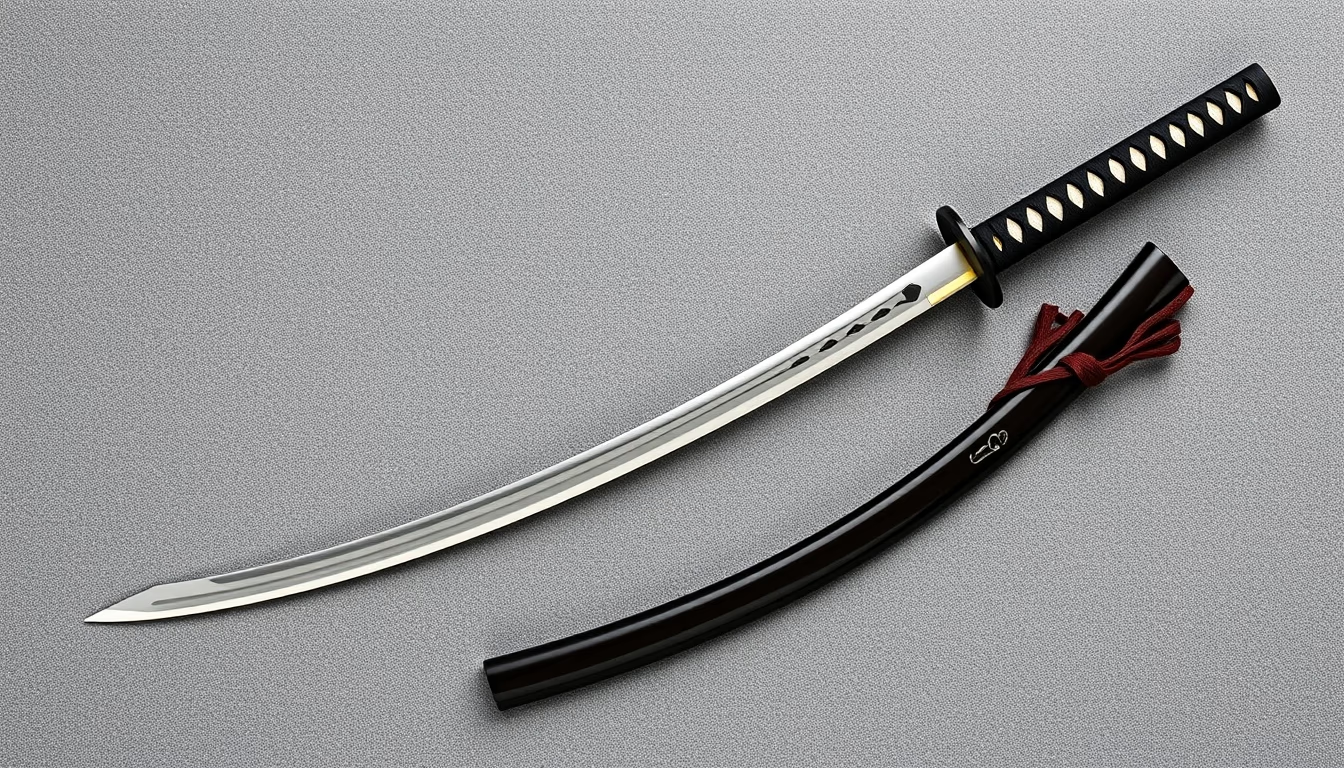
Japanese katana with a curved blade, symbol of samurai culture, forged from tamahagane steel using ancient folding techniques.
About this subject
The katana is a Japanese sword with a curved, single-edged blade, traditionally wielded by samurai in feudal Japan. Its distinctive curvature (sori) enhances cutting efficiency and balance, enabling swift, powerful draws and strikes central to kenjutsu. The design is not merely aesthetic: the curve allows a slicing motion that cuts deeper with less effort.
Forging a katana is a centuries-old craft. Tamahagane steel, smelted from iron sand in tatara furnaces, is repeatedly heated, hammered, and folded up to 16 times to remove impurities and create layered structures that combine hardness and flexibility. A softer core (shingane) is wrapped in harder steel (kawagane), producing the hamon, the visible temper line along the edge.
Historically, the katana was more than a weapon; it was a symbol of status and the samurai's soul. During the Edo period (1603-1868), only warriors were allowed to carry it in public. After the Meiji Restoration (1868), traditional sword-making declined but later revived as cultural heritage. Today, authentic katanas are crafted by licensed smiths and designated as National Treasures of Japan.
A common myth is the "1000-layer katana", the number refers to visual layers, not exact folds. Each blade is unique, with a personalized hamon that can identify the smith's school. Pop culture popularized the katana in films and anime, yet its real history is equally captivating, rooted in metallurgy and martial tradition.
Frequently Asked Questions
What is the difference between a katana and a regular sword?
The katana features a curved, single-edged blade, forged with folded steel and a distinct hamon (temper line). It was optimized for swift cutting and holds deep cultural significance in samurai tradition.
How much does a typical katana weigh?
A traditional katana weighs between 1.0 and 1.5 kg, depending on length and thickness. Balance is more critical than absolute weight for combat efficiency.
Can a katana cut through steel?
No. While extremely sharp and durable, katana are designed for organic targets like bamboo or flesh. Attempting to cut steel would damage the blade.
Direct URL
https://pub-c7d6a6ea828543ac903a74a341ccb2e1.r2.dev/imagens/katana-japanese-curved-commercial-product-photography-fresh9.avifHow to credit
Include a visible link back to UtilizAí. Copy one of the snippets below:
<a href="https://xn--utiliza-eza.com/en/midia/imagens/katana-japanese-curved-commercial-product-photography-fresh9">Katana japanese curved</a> by <a href="https://xn--utiliza-eza.com">UtilizAí</a>, licensed under <a href="https://creativecommons.org/licenses/by/4.0/">CC BY 4.0</a>.
[Katana japanese curved](https://xn--utiliza-eza.com/en/midia/imagens/katana-japanese-curved-commercial-product-photography-fresh9) by [UtilizAí](https://xn--utiliza-eza.com), CC BY 4.0
License: CC-BY-4.0