Kalimba thumb piano
1344×768 · AVIF · CC BY 4.0
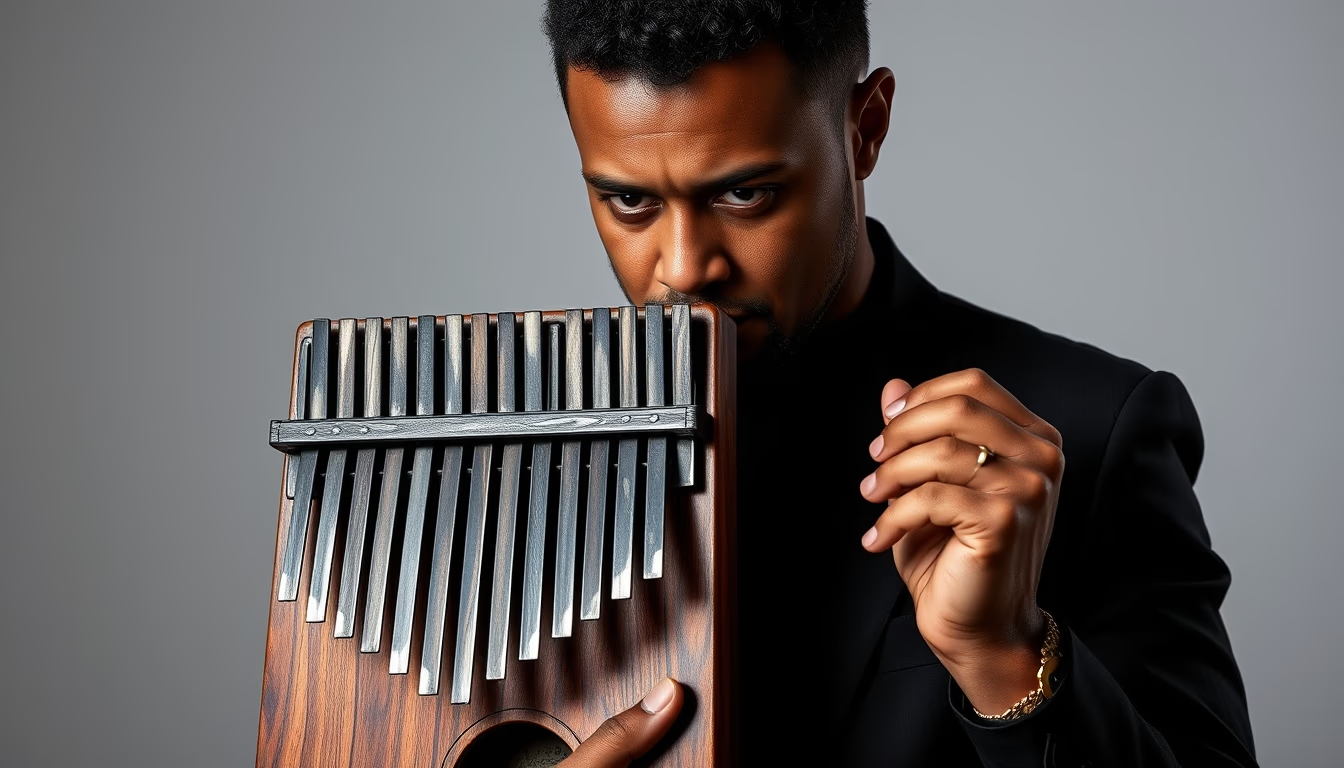
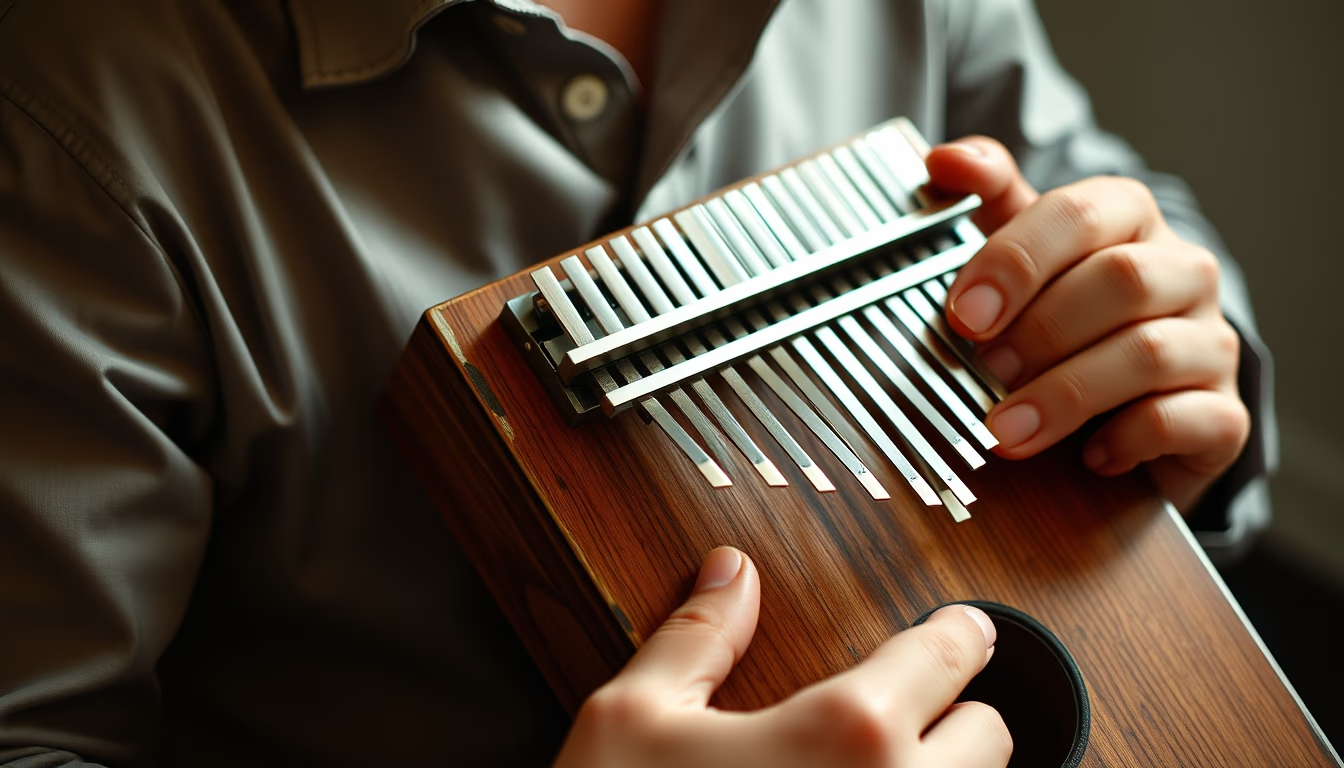
The kalimba, also known as thumb piano, is a melodic percussion instrument of African origin, with metal tines attached to a resonance box.
About this subject
The kalimba is a melodic percussion instrument originating from Sub-Saharan Africa, specifically from the Shona people in present-day Zimbabwe. Traditionally called mbira, the modern kalimba gained popularity in the West during the 20th century, with variations in the number of tines and the shape of the resonance box. The instrument consists of metal tines (usually steel or brass) attached to a bridge over a wooden box that amplifies the sound. The player holds the kalimba with both hands and plucks the tines with the thumbs, producing soft, crystalline notes. The tines are tuned to diatonic or pentatonic scales, depending on the region and musical application.
Culturally, the mbira plays a central role in Shona religious and social ceremonies, used to invoke ancestral spirits in healing rituals and celebrations. In the 1950s, ethnomusicologist Hugh Tracey developed a simplified version called the kalimba, which spread worldwide as an easy-to-learn instrument. Today, the kalimba is used in genres ranging from folk to electronic music, and its popularity has grown with online tutorials and enthusiast communities.
The handcrafted construction of the kalimba values different types of wood, such as mahogany, rosewood, and cedar, which influence resonance and timbre. Professional kalimbas can have up to 30 tines, while versions with 8 to 17 tines are common for beginners. Tuning can be adjusted with a small hammer to move the tines over the bridge. A curiosity: the sound of the kalimba is often compared to a toy piano or music box, but with a more organic and immersive quality.
Nowadays, the kalimba is appreciated for its portability, ease of playing, and relaxing sound, being used in music therapy and meditation. With the advent of the internet, independent manufacturers and artists create custom kalimbas with unique designs, keeping the ancestral tradition alive while adapting the instrument to new musical contexts.
Frequently Asked Questions
What is the origin of the kalimba?
The kalimba originates from Sub-Saharan Africa, particularly from the Shona people of Zimbabwe, where it is called mbira. It was popularized in the West in the 20th century thanks to ethnomusicologist Hugh Tracey.
How do you play the kalimba?
The kalimba is held with both hands and played with the thumbs, which pluck the metal tines. The notes are produced by the vibration of the tines over the resonance box. Tuning can be adjusted by moving the tines.
What are the uses of the kalimba in modern music?
The kalimba is used in genres such as folk, pop, electronic, and ambient music. It is also popular in music therapy and meditation due to its calming sound. Online tutorials and communities have boosted its use by amateur and professional musicians.
Direct URL
https://pub-c7d6a6ea828543ac903a74a341ccb2e1.r2.dev/imagens/kalimba-thumb-piano-studio-editorial-portrait-p1.avifHow to credit
Include a visible link back to UtilizAí. Copy one of the snippets below:
<a href="https://xn--utiliza-eza.com/en/midia/imagens/kalimba-thumb-piano-studio-editorial-portrait-p1">Kalimba thumb piano</a> by <a href="https://xn--utiliza-eza.com">UtilizAí</a>, licensed under <a href="https://creativecommons.org/licenses/by/4.0/">CC BY 4.0</a>.
[Kalimba thumb piano](https://xn--utiliza-eza.com/en/midia/imagens/kalimba-thumb-piano-studio-editorial-portrait-p1) by [UtilizAí](https://xn--utiliza-eza.com), CC BY 4.0
License: CC-BY-4.0