Jain temple india white
1344×768 · JPG · CC BY 4.0
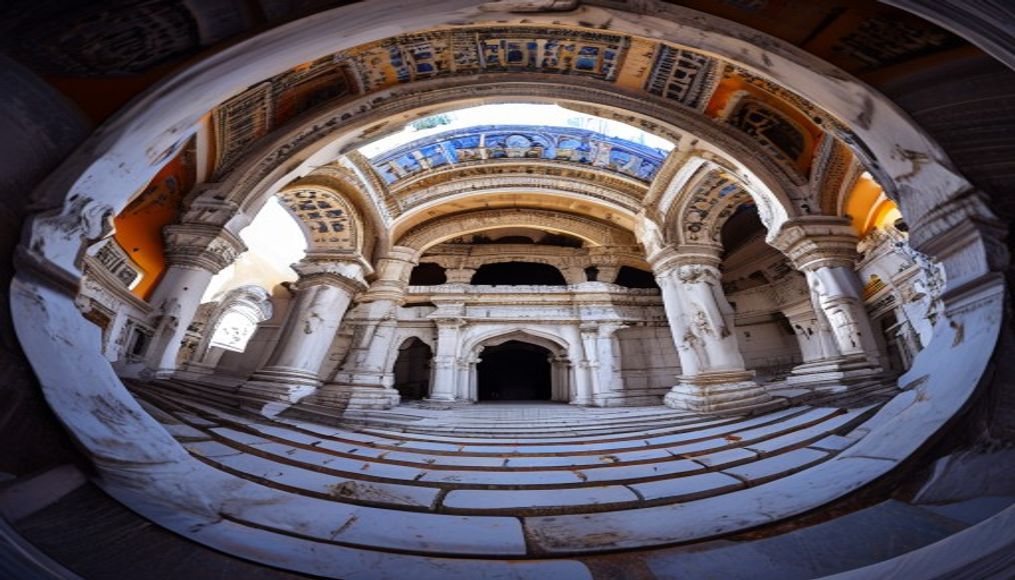
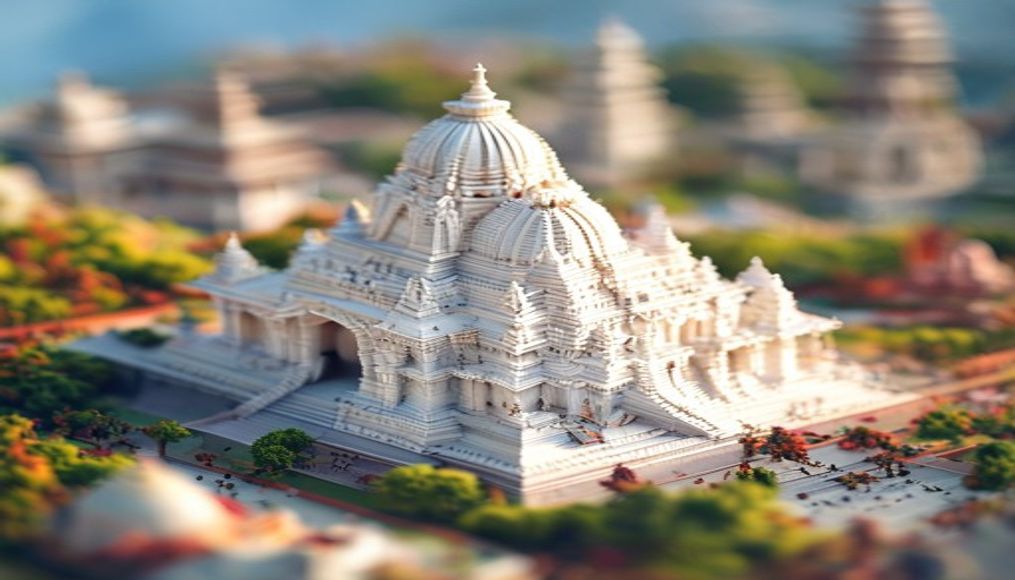
White marble Jain temples in India, such as those at Dilwara and Ranakpur, are renowned for their intricate architecture and spiritual symbolism.
About this subject
The white marble Jain temples in India represent the pinnacle of Indian religious architecture, combining spiritual devotion with exceptional craftsmanship. Built primarily between the 11th and 16th centuries, these temples are dedicated to the Tirthankaras, the enlightened saints of Jainism. White marble, quarried from the mountains of Rajasthan, was chosen for its purity and ability to reflect light, symbolizing spiritual enlightenment.
The Dilwara temple complex on Mount Abu in Rajasthan is one of the most notable examples. Built between 1031 and 1230 CE, it comprises five temples, each intricately carved from white marble. The Vimal Vasahi temple, dedicated to the first Tirthankara, features domes carved with floral patterns and celestial figures, while the Luna Vasahi temple exhibits filigree work that appears to float in the air. The absence of visible supporting beams is an architectural marvel.
Another iconic example is the Ranakpur Temple in Rajasthan, built in the 15th century under the patronage of minister Rana Kumbha. The temple has 1,444 white marble pillars, each uniquely carved, and a sanctum sanctorum housing an image of Tirthankara Adinath. Natural light filtering through windows and domes creates an ethereal atmosphere, enhancing the sense of peace and transcendence.
These temples are not only places of worship but also centers of learning and cultural preservation. Jainism emphasizes non-violence (ahimsa) and material detachment, values reflected in the simplicity and elegance of white marble. Visitors from around the world come to admire the skill of artisans who transformed raw stone into divine works of art, a testament to India's rich spiritual heritage.
Frequently Asked Questions
What are the white marble Jain temples?
They are Jain religious temples built primarily from white marble, renowned for their intricate architecture and spiritual symbolism. Famous examples include the Dilwara and Ranakpur temples in India.
Why is white marble used in Jain temples?
White marble symbolizes purity and spiritual enlightenment in Jainism. Its light-reflecting properties create a serene atmosphere conducive to meditation and worship.
Which white marble Jain temple is most famous?
The Dilwara temple complex on Mount Abu, Rajasthan, is among the most famous, with five temples carved between the 11th and 13th centuries. The Ranakpur Temple, with its 1,444 unique pillars, is also widely known.
Direct URL
https://pub-c7d6a6ea828543ac903a74a341ccb2e1.r2.dev/imagens/jain-temple-india-white-fish-eye-wide-angle-p3.jpgHow to credit
Include a visible link back to UtilizAí. Copy one of the snippets below:
<a href="https://xn--utiliza-eza.com/en/midia/imagens/jain-temple-india-white-fish-eye-wide-angle-p3">Jain temple india white</a> by <a href="https://xn--utiliza-eza.com">UtilizAí</a>, licensed under <a href="https://creativecommons.org/licenses/by/4.0/">CC BY 4.0</a>.
[Jain temple india white](https://xn--utiliza-eza.com/en/midia/imagens/jain-temple-india-white-fish-eye-wide-angle-p3) by [UtilizAí](https://xn--utiliza-eza.com), CC BY 4.0
License: CC-BY-4.0