Iv drip bag close-up sterile
1344×768 · AVIF · CC BY 4.0
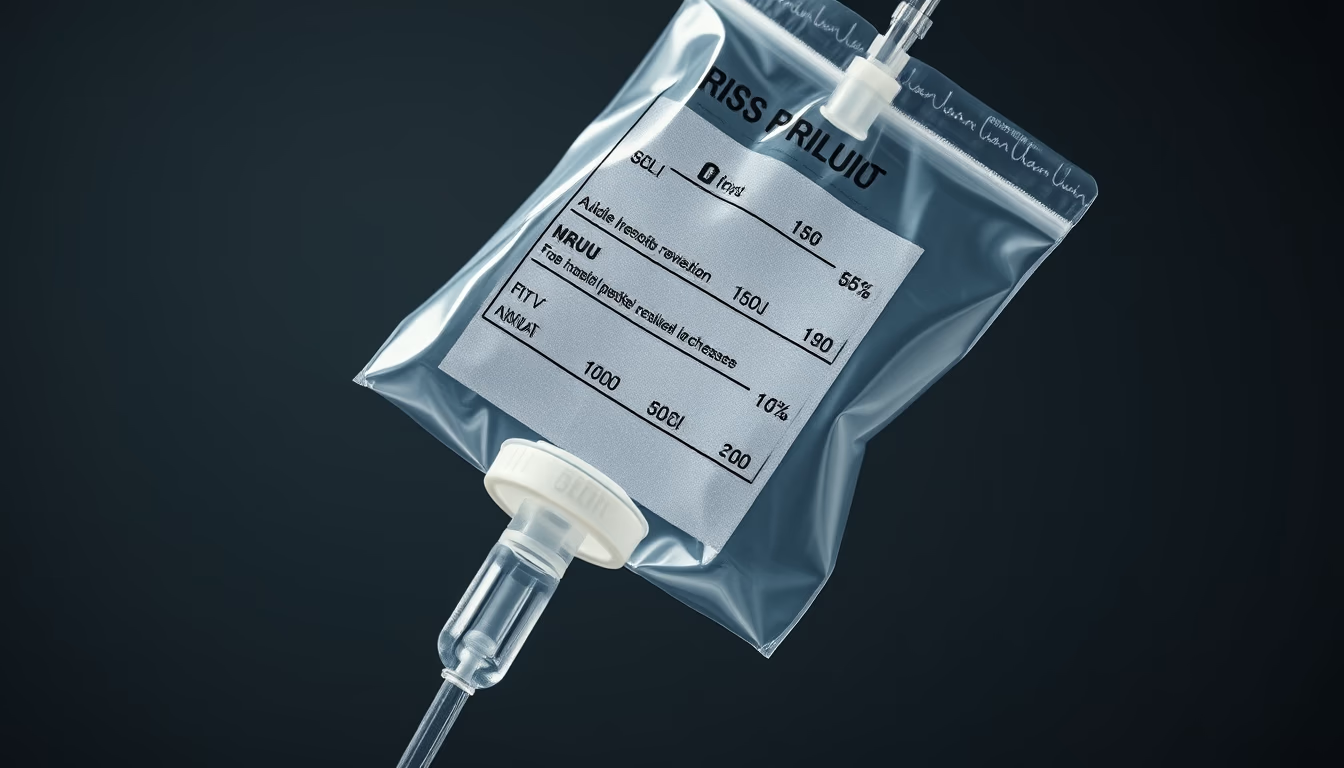
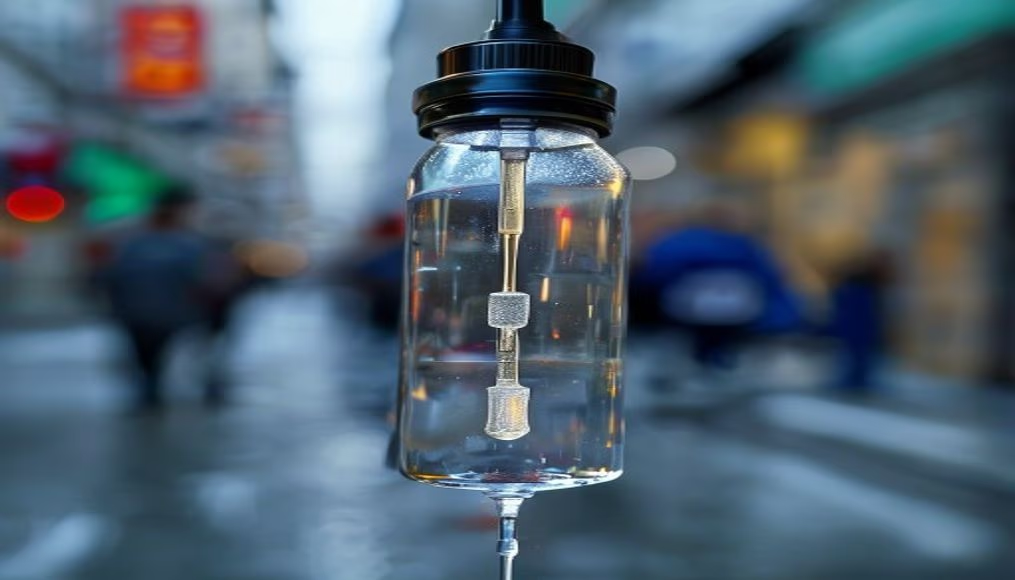
Sterile IV drip bag for fluid administration in medical settings
About this subject
IV drip bags are critical medical devices for controlled administration of fluids, medications, or nutrients directly into the circulatory system. Made from low-density polyethylene, modern IV bags feature safety valves, anti-hemorrhage connectors, and sterilization indicators. Sterilization processes include gamma radiation or ethylene oxide, ensuring no microbial contamination. In clinical settings, precise dosing and visibility of fluid levels are vital, as 1 ml equals 20 drops in the metric system. Improper use can lead to septic infections, affecting 2 million patients annually in the US.
Current IV bag designs evolved in the 1970s, replacing glass containers with safer, more hygienic plastics. The image's close-up highlights details like the sterilized plastic texture, expiration seal (bottom corner), and flow control system. In developing countries, IV access remains a challenge: only 40% of rural clinics in Africa have consistent isotonic solution stocks. International standards (ISO 80601) regulate parameters like thermal stability (-20°C to 40°C) and puncture resistance (minimum 200 kPa).
Fun fact: The first documented intravenous injection occurred in 1656 when Christopher Wren injected liquids into a pig to demonstrate blood circulation. Gamma radiation sterilization, used in 90% of today's medical plastics, was developed in the 1960s to combat hospital-acquired infections. Typical IV bag capacities range from 250ml to 1000ml, with adjustable flow rates of 10 to 60 drops per minute, depending on the treatment.
Frequently Asked Questions
How is IV bag sterilization ensured?
Sterilization is achieved through gamma radiation or ethylene oxide, processes that eliminate 100% of microbial particles. Expiration seals and visual indicators (like color changes) confirm the process's success.
Why are plastics preferred in modern IV bags?
Plastics like polyethylene are flexible, lightweight, and don't break like glass. They also allow full content visibility and withstand extreme temperatures (-20°C to 40°C).
What are the risks of improper IV use?
Improper use can cause sepsis (affecting 1 in 10 hospital patients), electrolyte imbalances, and cardiac overload. International standards and healthcare training reduce these risks.
Direct URL
https://pub-c7d6a6ea828543ac903a74a341ccb2e1.r2.dev/imagens/iv-drip-bag-close-up-sterile-magazine-editorial-v8.avifHow to credit
Include a visible link back to UtilizAí. Copy one of the snippets below:
<a href="https://xn--utiliza-eza.com/en/midia/imagens/iv-drip-bag-close-up-sterile-magazine-editorial-v8">Iv drip bag close-up sterile</a> by <a href="https://xn--utiliza-eza.com">UtilizAí</a>, licensed under <a href="https://creativecommons.org/licenses/by/4.0/">CC BY 4.0</a>.
[Iv drip bag close-up sterile](https://xn--utiliza-eza.com/en/midia/imagens/iv-drip-bag-close-up-sterile-magazine-editorial-v8) by [UtilizAí](https://xn--utiliza-eza.com), CC BY 4.0
License: CC-BY-4.0