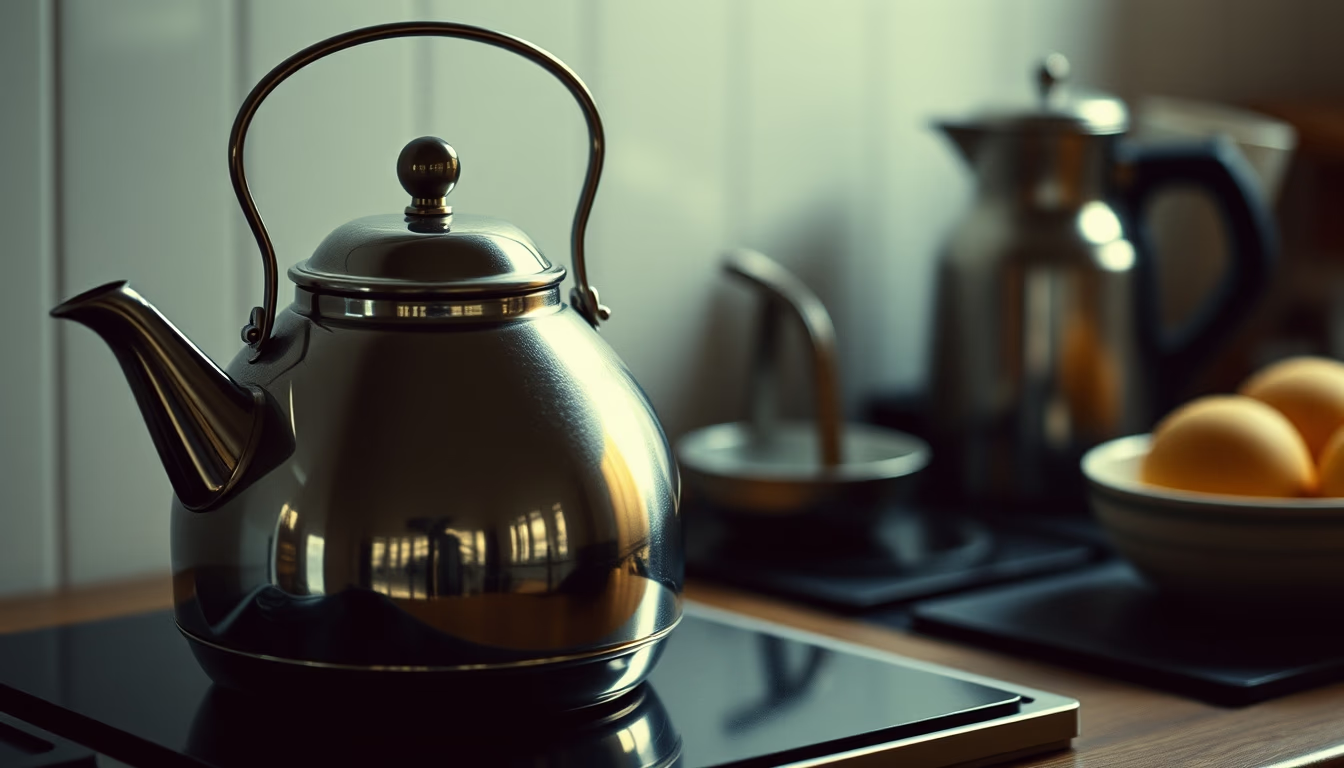
Iron kettle tetsubin
1344×768 · AVIF · CC BY 4.0
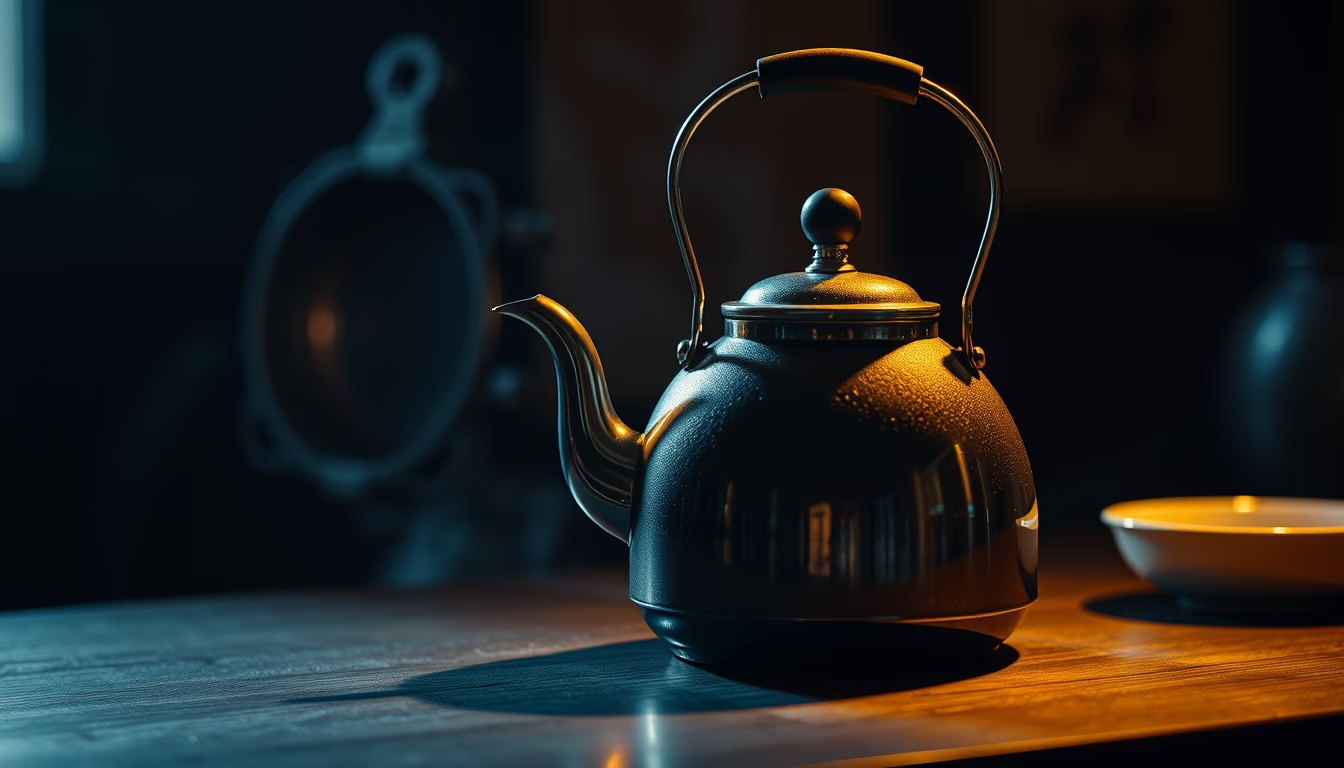
Tetsubin, the traditional Japanese iron kettle, is a centerpiece of tea ceremony and a symbol of ancient craftsmanship.
About this subject
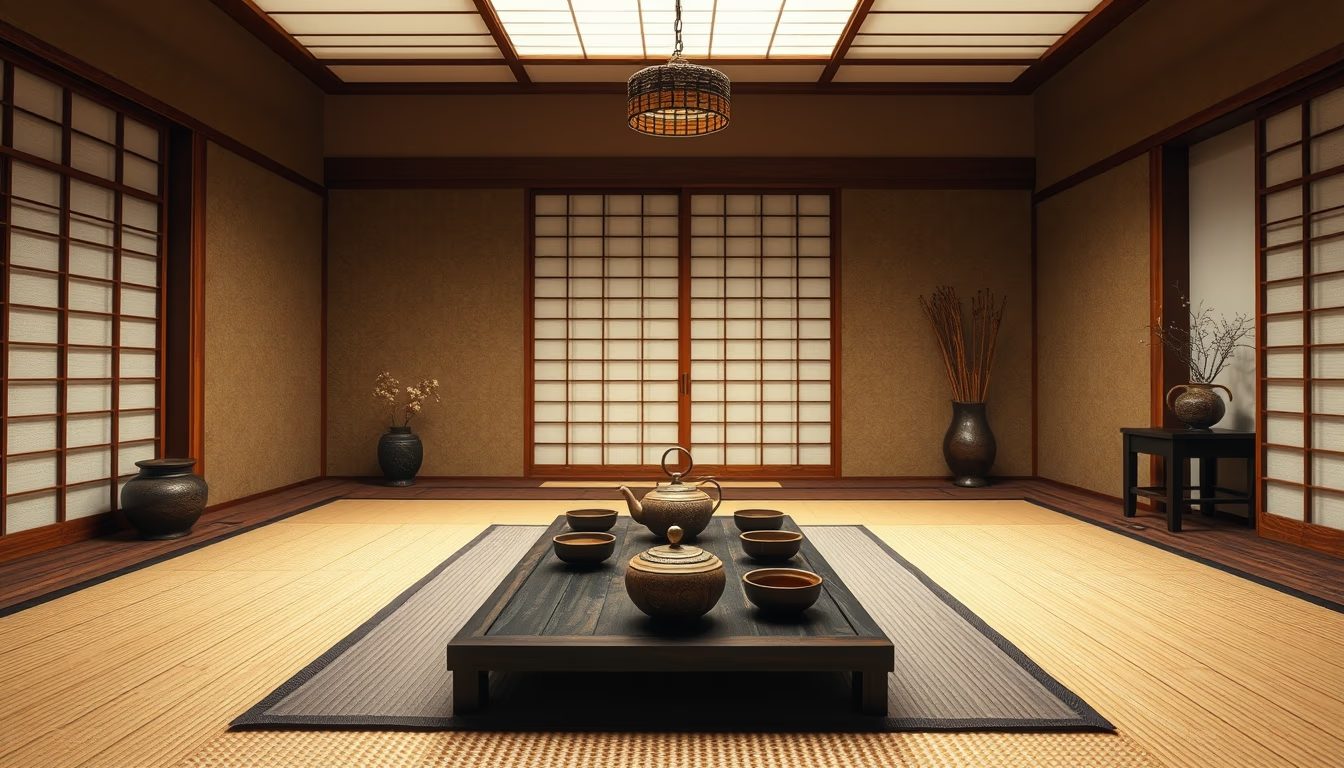
The tetsubin is a cast iron kettle originating from Japan, with documented use dating back to the 17th century. Unlike common kettles, the tetsubin has an unglazed interior, allowing water to absorb trace amounts of iron, which purportedly enhances the flavor of tea and provides health benefits. Traditionally, these kettles are heated directly over charcoal braziers, making them essential in the Japanese tea ceremony (chanoyu).
Production of tetsubin is most famously associated with the Nambu region in Iwate Prefecture, where the craft known as Nambu Tekki has flourished since the Edo period. Artisans use sand molds and casting techniques that require decades of training. Each piece is unique, with designs ranging from geometric patterns to reliefs of flora and fauna. The unglazed interior develops a natural patina over time, protecting against rust.
Beyond its practical function, the tetsubin is valued as a decorative and collectible object. Many antique pieces are highly prized, especially those signed by master casters. Maintenance requires special care: never wash with detergent, only rinse with hot water and dry thoroughly to prevent oxidation. Despite its Japanese origins, the tetsubin has gained global popularity among tea enthusiasts, often used in modern tea ceremonies and as rustic décor.
Interestingly, the tetsubin should not be confused with the kyusu, a clay teapot used for brewing tea directly. While the kyusu infuses leaves, the tetsubin only boils water. The ideal water temperature for different tea types is controlled by the iron thickness and heating time, a knowledge passed down through generations of tea practitioners.
Frequently Asked Questions
What is the difference between a tetsubin and a regular kettle?
A tetsubin is made of cast iron and has an unglazed interior, unlike enameled kettles. This allows water to absorb trace iron, altering flavor and pH. Also, it is traditionally heated over charcoal and is central to the Japanese tea ceremony.
How do I care for a tetsubin to prevent rust?
Never use detergent. Rinse with hot water after use and dry completely over heat or with a clean cloth. The natural patina inside protects against rust. Avoid leaving water sitting for long periods.
Can a tetsubin be used on modern stoves?
Yes, many modern tetsubin are compatible with gas, electric, and induction stoves. However, antique pieces may crack under direct high heat. Always check the manufacturer's specifications.
Direct URL
https://pub-c7d6a6ea828543ac903a74a341ccb2e1.r2.dev/imagens/iron-kettle-tetsubin-rembrandt-lighting-dramatic-shadows-fresh4.avifHow to credit
Include a visible link back to UtilizAí. Copy one of the snippets below:
<a href="https://xn--utiliza-eza.com/en/midia/imagens/iron-kettle-tetsubin-rembrandt-lighting-dramatic-shadows-fresh4">Iron kettle tetsubin</a> by <a href="https://xn--utiliza-eza.com">UtilizAí</a>, licensed under <a href="https://creativecommons.org/licenses/by/4.0/">CC BY 4.0</a>.
[Iron kettle tetsubin](https://xn--utiliza-eza.com/en/midia/imagens/iron-kettle-tetsubin-rembrandt-lighting-dramatic-shadows-fresh4) by [UtilizAí](https://xn--utiliza-eza.com), CC BY 4.0
License: CC-BY-4.0