Incense sticks burning
1344×768 · AVIF · CC BY 4.0
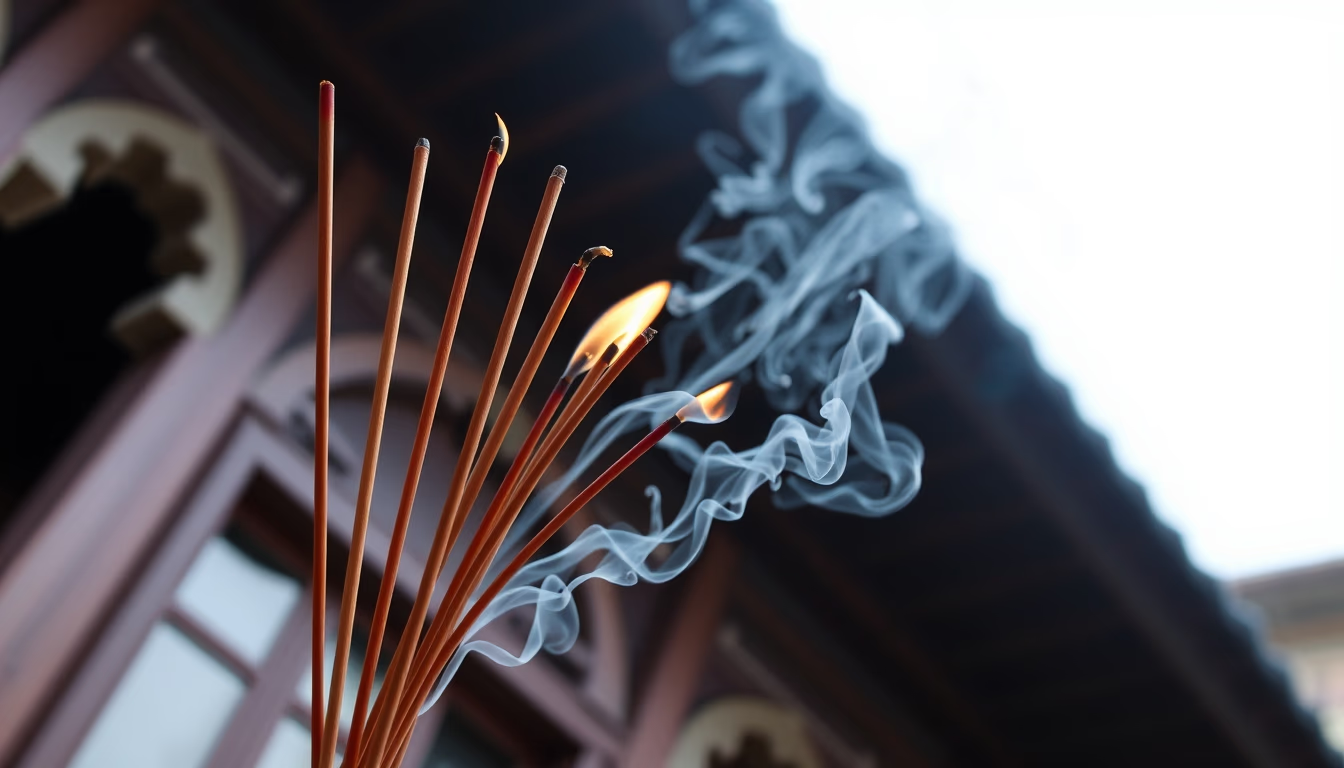
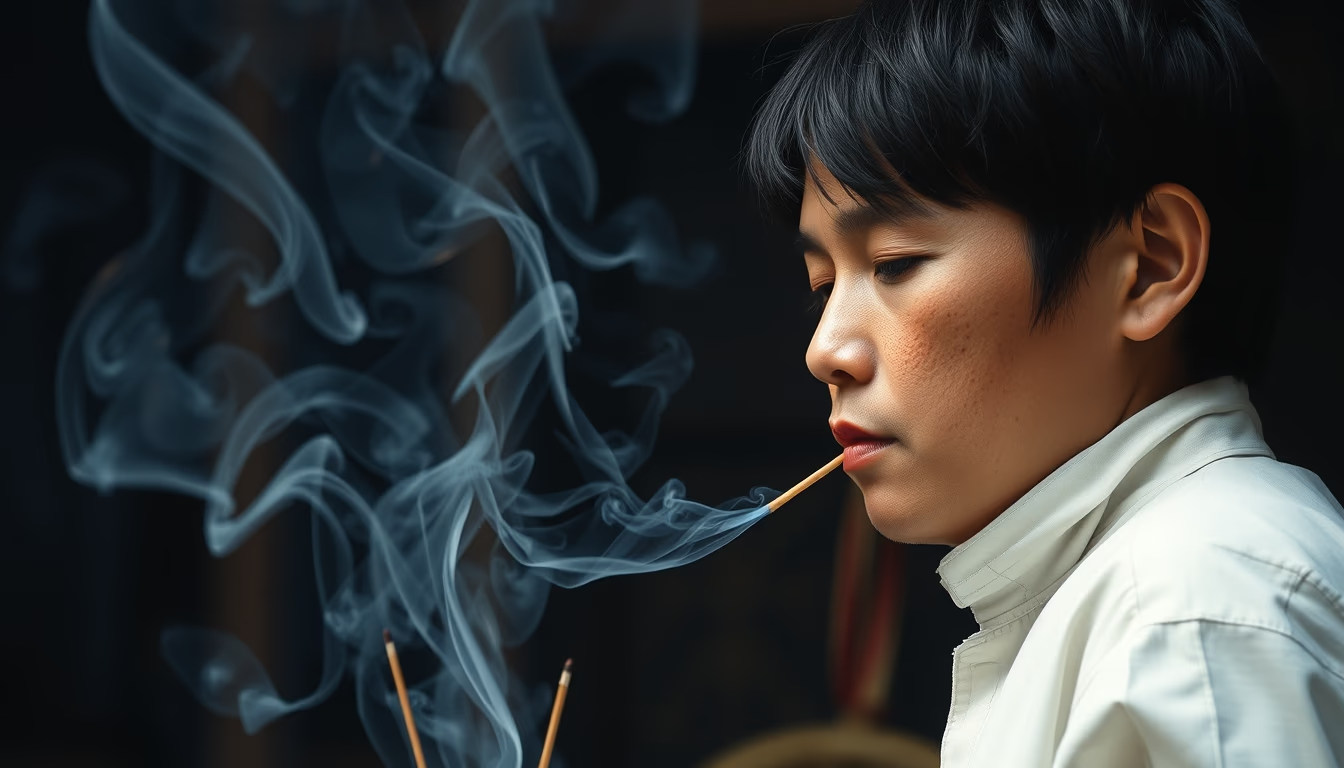
Incense sticks are ancient artifacts used in religious rituals, therapies, and perfumery, holding significant cultural and economic relevance worldwide.
About this subject
Incense sticks, also known as agarbatti, are aromatic biotic materials that release fragrant smoke when burned. They have been used for thousands of years in religious, spiritual, and therapeutic contexts across cultures. In ancient Egypt, incense was employed in embalming and temple rituals; in China, it accompanied ancestor worship and traditional medicine. Today, incense remains integral to Hindu, Buddhist, and Shinto ceremonies, symbolizing purification, prayer, and meditation. The Japanese practice of kōdō (the way of incense) elevates its use to a refined art form.
The global incense trade is dominated by India, which produces about 80% of the world's supply, with the city of Mysuru as a major hub. Other significant producers include China, Japan, Thailand, and Vietnam. Incense is categorized by its base material (e.g., charcoal, bamboo, or wood powder) and fragrance source (natural resins, essential oils, or synthetic fragrances). Popular varieties include sandalwood, frankincense, myrrh, lavender, and jasmine. Frankincense, derived from Boswellia tree resin, has been traded for millennia and is mentioned in numerous historical texts.
Incense is used not only for spiritual purposes but also for aromatherapy, stress relief, and creating ambiance. Scientific research has explored its potential benefits on mood, anxiety, and cognitive performance, though results are mixed. The smoke contains particulate matter and volatile organic compounds, prompting health warnings for prolonged exposure in unventilated spaces. Nonetheless, many cultures continue to value incense for its symbolic and sensory qualities.
Economic aspects: the incense industry supports millions of artisans and small businesses, especially in India. However, concerns over deforestation, child labor, and synthetic additives have led to calls for regulation and fair trade practices. Natural and organic incense products are gaining popularity, with consumers seeking transparency in sourcing. Innovations include incense sticks with embedded seeds for planting after use, combining scent with ecological awareness.
Frequently Asked Questions
What is the origin of incense?
Incense use dates back to ancient civilizations such as Egypt, India, and China, over 5,000 years ago. It was used in religious rituals, medicine, and as perfume.
Is incense harmful to health?
Incense smoke contains fine particles and volatile organic compounds that can irritate the lungs. Moderate use in ventilated areas is generally safe, but prolonged exposure may increase respiratory risks.
How to choose high-quality incense?
Prefer natural incense made from resins, woods, and essential oils, avoiding synthetic fragrances. Check the source and opt for brands using fair trade and sustainable materials.
Direct URL
https://pub-c7d6a6ea828543ac903a74a341ccb2e1.r2.dev/imagens/incense-sticks-burning-architectural-photography-fresh16.avifHow to credit
Include a visible link back to UtilizAí. Copy one of the snippets below:
<a href="https://xn--utiliza-eza.com/en/midia/imagens/incense-sticks-burning-architectural-photography-fresh16">Incense sticks burning</a> by <a href="https://xn--utiliza-eza.com">UtilizAí</a>, licensed under <a href="https://creativecommons.org/licenses/by/4.0/">CC BY 4.0</a>.
[Incense sticks burning](https://xn--utiliza-eza.com/en/midia/imagens/incense-sticks-burning-architectural-photography-fresh16) by [UtilizAí](https://xn--utiliza-eza.com), CC BY 4.0
License: CC-BY-4.0