Ice cream scoop melting
1344×768 · AVIF · CC BY 4.0
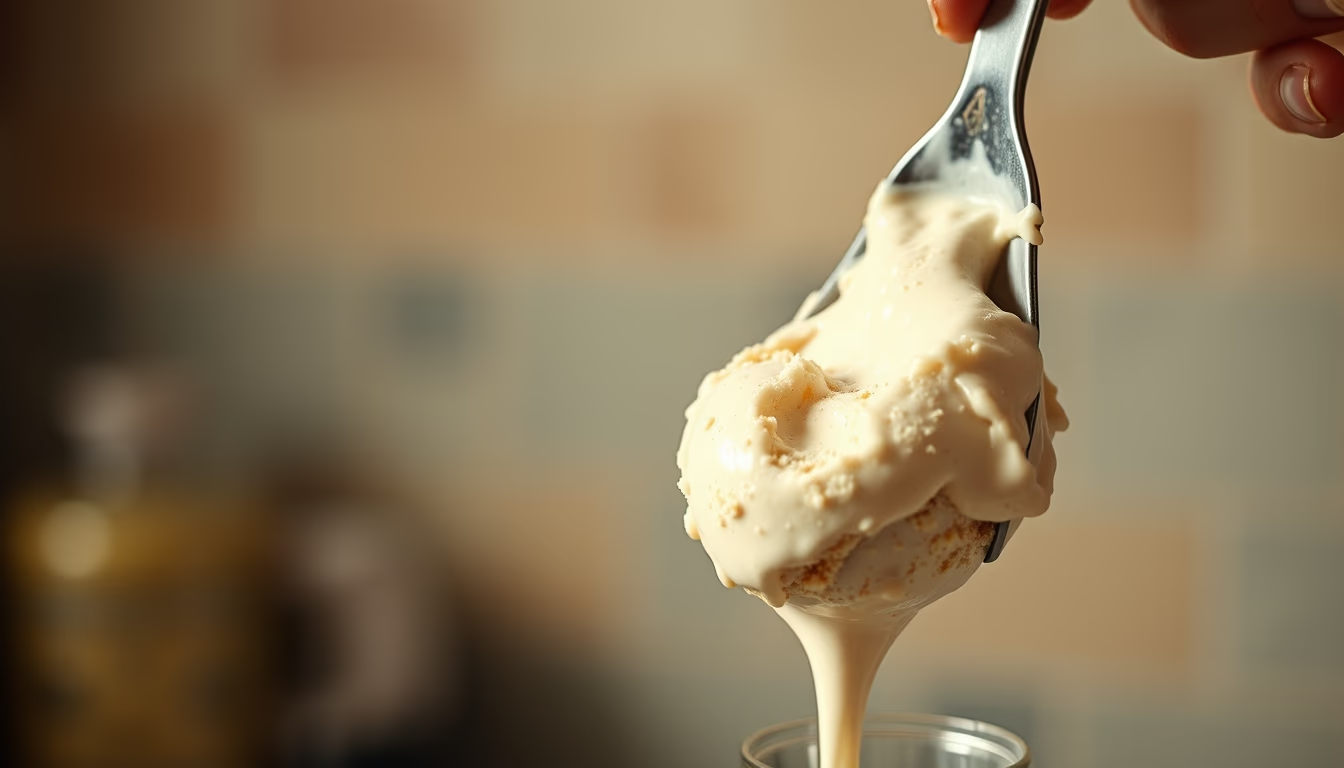
Understand the science behind ice cream melting and how factors like temperature, composition, and emulsifiers affect texture and flavor.
About this subject
Ice cream is a complex physicochemical dessert. Its structure consists of a fat emulsion, ice crystals, air bubbles, and a liquid phase concentrated with sugars and proteins. When exposed to heat, the thermal balance is disrupted: ice crystals melt, fat coalesces, and the structure collapses, resulting in the characteristic liquid texture.
The melting rate depends on several factors. The type of stabilizer used, such as guar gum or carrageenan, slows the process by increasing the viscosity of the liquid phase. Fat content is also crucial, ice creams with higher fat content (like premium brands) melt more slowly because fat acts as a thermal insulator. In contrast, ice creams with high sugar content have a lower freezing point and melt faster at ambient temperatures.
Culturally, ice cream is consumed worldwide, but the melting phenomenon is especially noticeable in tropical climates like Brazil, where average summer temperatures exceed 30°C. Data from the Brazilian Ice Cream Association (ABIS) indicates that Brazilians consume about 5 liters of ice cream per year, and the industry invests in insulated packaging and formulas that delay melting to serve the street market.
Fun fact: the so-called "drop point" of ice cream, when the first drip falls, is an indicator of sensory quality. Researchers at Cornell University found that adding cellulose fibers can delay this point by up to 15 minutes without compromising taste.
Frequently Asked Questions
Why does ice cream melt faster on hot days?
Ice cream melts because the ambient temperature is above the freezing point of the mixture. On hot days, heat transfer from the air to the ice cream is more intense, accelerating the melting of ice crystals and the collapse of the structure.
What is the difference between scoop ice cream and popsicles in melting?
Scoop ice cream contains more fat and incorporated air, which slows melting. Popsicles, being water-based with less fat, melt faster because their ice crystals are larger and less stable.
How can I prevent ice cream from melting too fast?
You can place the ice cream in a pre-chilled container, avoid direct sunlight, and use a thermal bag. There are also home tricks, like adding a pinch of salt to the ice in the cooler to lower the temperature.
Direct URL
https://pub-c7d6a6ea828543ac903a74a341ccb2e1.r2.dev/imagens/ice-cream-scoop-melting-documentary-photography-p5.avifHow to credit
Include a visible link back to UtilizAí. Copy one of the snippets below:
<a href="https://xn--utiliza-eza.com/en/midia/imagens/ice-cream-scoop-melting-documentary-photography-p5">Ice cream scoop melting</a> by <a href="https://xn--utiliza-eza.com">UtilizAí</a>, licensed under <a href="https://creativecommons.org/licenses/by/4.0/">CC BY 4.0</a>.
[Ice cream scoop melting](https://xn--utiliza-eza.com/en/midia/imagens/ice-cream-scoop-melting-documentary-photography-p5) by [UtilizAí](https://xn--utiliza-eza.com), CC BY 4.0
License: CC-BY-4.0