Harpsichord baroque
1344×768 · AVIF · CC BY 4.0
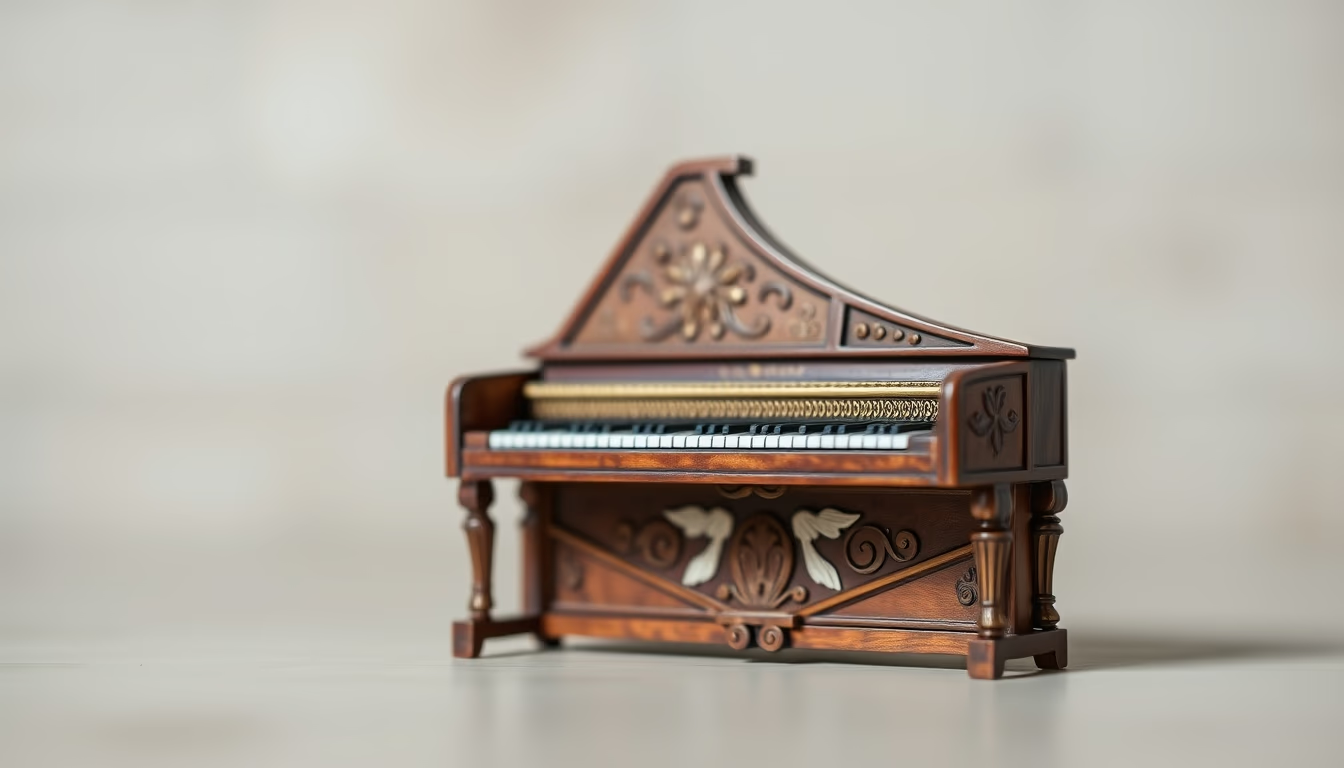
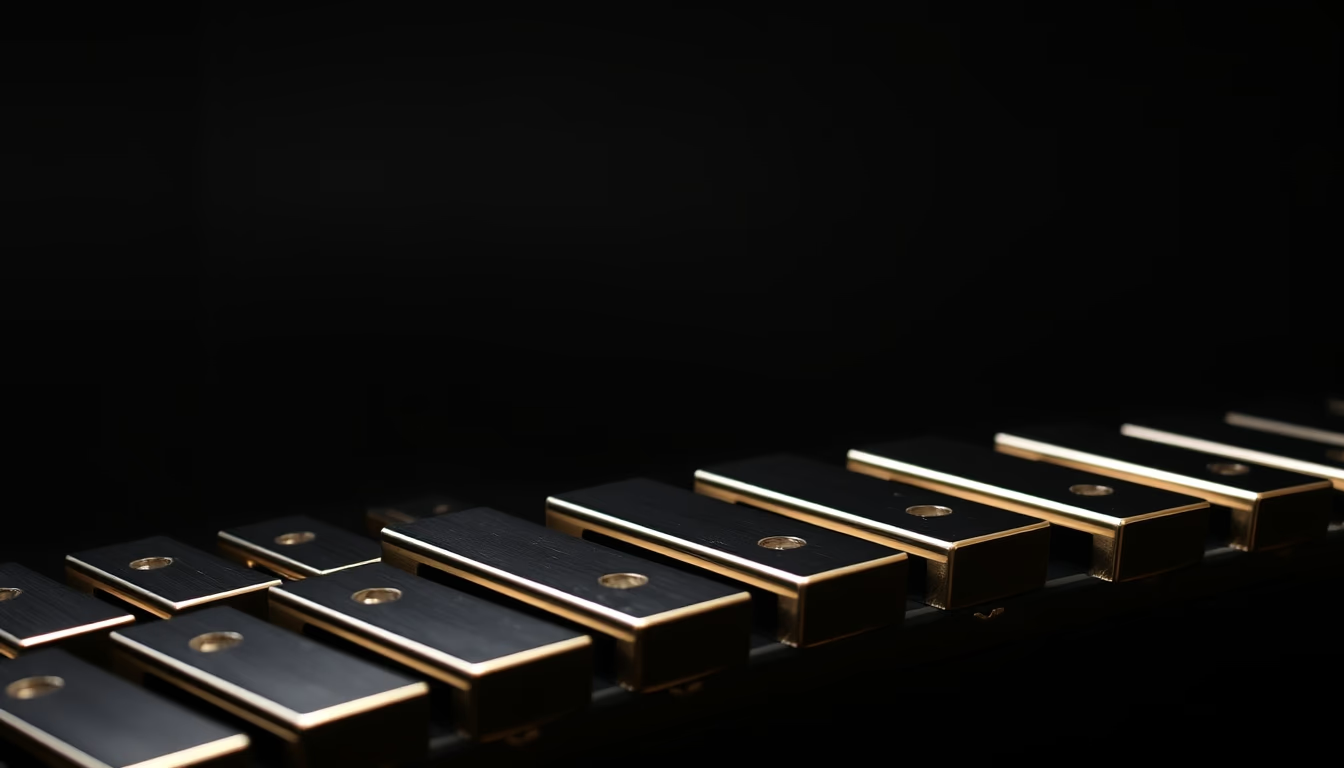
The baroque harpsichord, an iconic keyboard instrument of the Baroque period, produced sound by quills plucking strings, creating a bright, articulate timbre.
About this subject
The baroque harpsichord (or simply harpsichord) was the principal keyboard instrument from the 16th to the 18th century, especially during the Baroque period (c. 1600-1750). Unlike the piano, which produces sound by hammers striking strings, the harpsichord uses a mechanism where quills (originally crow feathers) pluck the strings, creating a bright, incisive tone. This characteristic timbre, with little dynamic variation, in contrast to the piano's ability for volume nuances, required composers to rely on ornamentation and articulation for expressiveness.
The construction of the baroque harpsichord involved fine woods such as cypress and oak, and its interior housed a complex system of jacks, registers, and metal strings. Many instruments were richly decorated with paintings and carvings, making them art objects as well. The harpsichord typically had two manuals (keyboards) and various stops that allowed combining different timbres, such as the lute stop and the 4-foot register, altering the octave of the strings played.
Composers like Johann Sebastian Bach, Domenico Scarlatti, and George Frideric Handel wrote extensively for the harpsichord. Bach, in particular, explored the instrument's full potential in works such as The Well-Tempered Clavier and the Goldberg Variations. However, from the 18th century onward, the pianoforte, capable of dynamic variation, began to replace the harpsichord. In the 20th century, the historically informed performance movement revived the harpsichord, which is now used in recordings and concerts of Baroque music, valuing the sonic authenticity of the period.
The sound of the baroque harpsichord is often described as clear, metallic, and dance-like, perfect for chamber music and accompanying court dances. Its lack of sustain and dynamics is compensated by detailed articulation and the use of trills and mordents, enriching the melodic line.
Frequently Asked Questions
What is the difference between a harpsichord and a piano?
The piano produces sound by hammers striking strings, allowing dynamic variation. The harpsichord uses quills that pluck the strings, generating uniform volume regardless of key force.
Why was the harpsichord so important in the Baroque period?
The harpsichord was the dominant keyboard instrument of the era, used both for solos and in basso continuo accompaniment. Its clear, articulate sound perfectly suited Baroque aesthetics, which valued contrast and ornamentation.
What does a baroque harpsichord sound like?
The sound is bright, metallic, and incisive, with a fast attack and short sustain. It does not allow dynamic nuances but offers timbral richness through different stops and manual combinations.
Direct URL
https://pub-c7d6a6ea828543ac903a74a341ccb2e1.r2.dev/imagens/harpsichord-baroque-tilt-shift-miniature-p9.avifHow to credit
Include a visible link back to UtilizAí. Copy one of the snippets below:
<a href="https://xn--utiliza-eza.com/en/midia/imagens/harpsichord-baroque-tilt-shift-miniature-p9">Harpsichord baroque</a> by <a href="https://xn--utiliza-eza.com">UtilizAí</a>, licensed under <a href="https://creativecommons.org/licenses/by/4.0/">CC BY 4.0</a>.
[Harpsichord baroque](https://xn--utiliza-eza.com/en/midia/imagens/harpsichord-baroque-tilt-shift-miniature-p9) by [UtilizAí](https://xn--utiliza-eza.com), CC BY 4.0
License: CC-BY-4.0