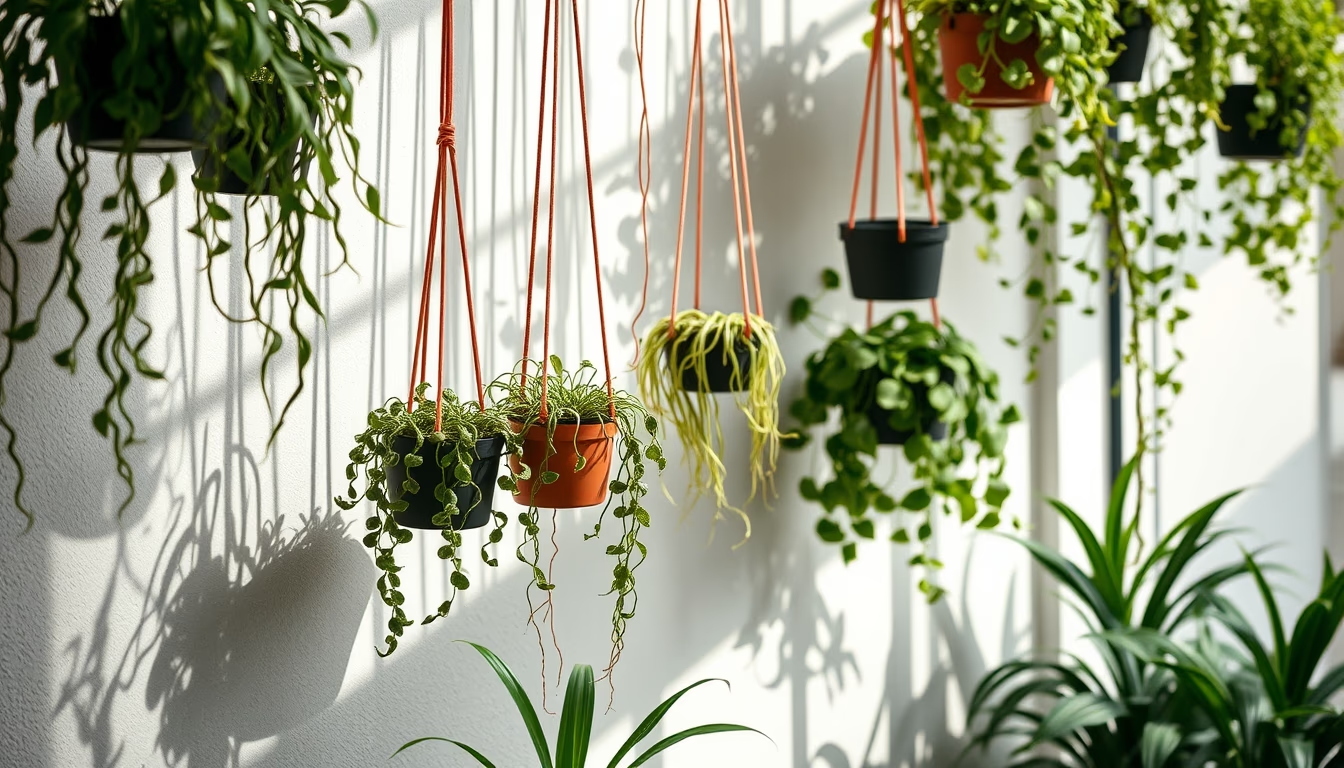
Hanging plants vertical garden
1344×768 · AVIF · CC BY 4.0
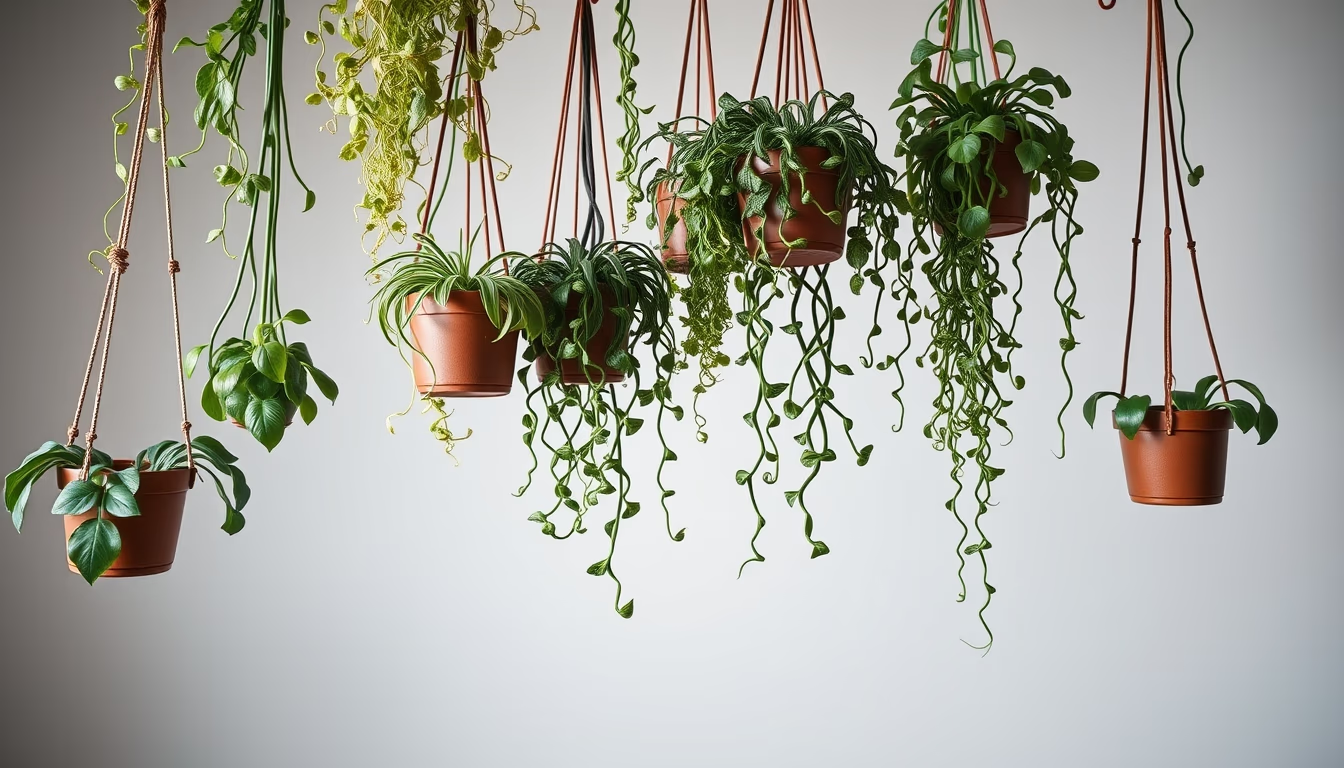
Vertical gardens with hanging plants transform walls into green oases, combining aesthetics and environmental benefits in compact urban spaces.
About this subject
Vertical gardens with hanging plants are a cultivation technique that uses cascading species such as pothos, peperomia, string of pearls, and ivy. Unlike traditional green walls with ferns, these plants create a fluid and dynamic effect, suitable for both indoor and outdoor spaces. The practice emerged as a solution to the lack of green areas in urban centers, gaining popularity in apartments and balconies worldwide, especially in cities like São Paulo and Rio de Janeiro, where native vegetation is scarce.
Historically, the concept of hanging gardens dates back to the Hanging Gardens of Babylon, one of the Seven Wonders of the Ancient World, but the modern version was pioneered by French botanist Patrick Blanc, who developed modular living wall systems. In a global context, hanging plants are valued for their low maintenance: they require regular pruning, well-drained substrate, and controlled irrigation. String of pearls, for instance, is sensitive to overwatering, while pothos tolerates drought.
Installation techniques range from felt panels to hanging pots and trellises. Drip irrigation is the most recommended method, as it distributes water evenly and prevents waterlogging. Plant selection should consider light conditions: for full sun, cat's tail is a good choice; for partial shade, syngonium and peperomia thrive. Besides aesthetic appeal, these gardens improve air quality, reduce noise, and provide thermal insulation, contributing to environmental comfort in densely populated areas.
Frequently Asked Questions
What are the best hanging plants for a vertical garden?
Species like pothos, peperomia, string of pearls, and ivy are ideal due to their cascading growth. Choose based on light conditions.
How to water a vertical garden with hanging plants?
Drip irrigation is most effective, but manual watering should be done when the substrate feels dry. Avoid overwatering to prevent root rot.
Does a hanging plant vertical garden need a lot of sun?
It depends on the species. Some, like cat's tail, tolerate full sun; others, like pothos, prefer partial shade. Assess exposure before planting.
Direct URL
https://pub-c7d6a6ea828543ac903a74a341ccb2e1.r2.dev/imagens/hanging-plants-vertical-garden-studio-still-life-fresh5.avifHow to credit
Include a visible link back to UtilizAí. Copy one of the snippets below:
<a href="https://xn--utiliza-eza.com/en/midia/imagens/hanging-plants-vertical-garden-studio-still-life-fresh5">Hanging plants vertical garden</a> by <a href="https://xn--utiliza-eza.com">UtilizAí</a>, licensed under <a href="https://creativecommons.org/licenses/by/4.0/">CC BY 4.0</a>.
[Hanging plants vertical garden](https://xn--utiliza-eza.com/en/midia/imagens/hanging-plants-vertical-garden-studio-still-life-fresh5) by [UtilizAí](https://xn--utiliza-eza.com), CC BY 4.0
License: CC-BY-4.0