Hanging plants vertical garden
1344×768 · AVIF · CC BY 4.0
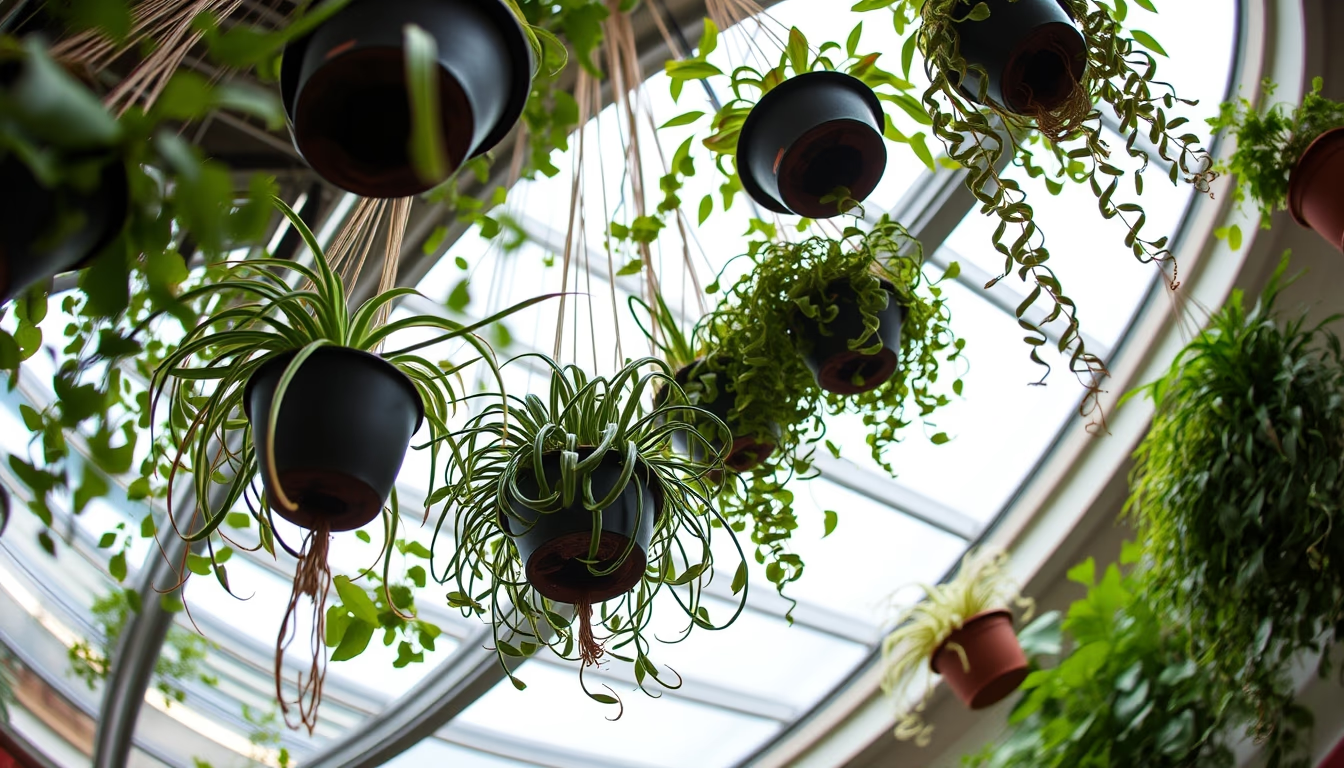
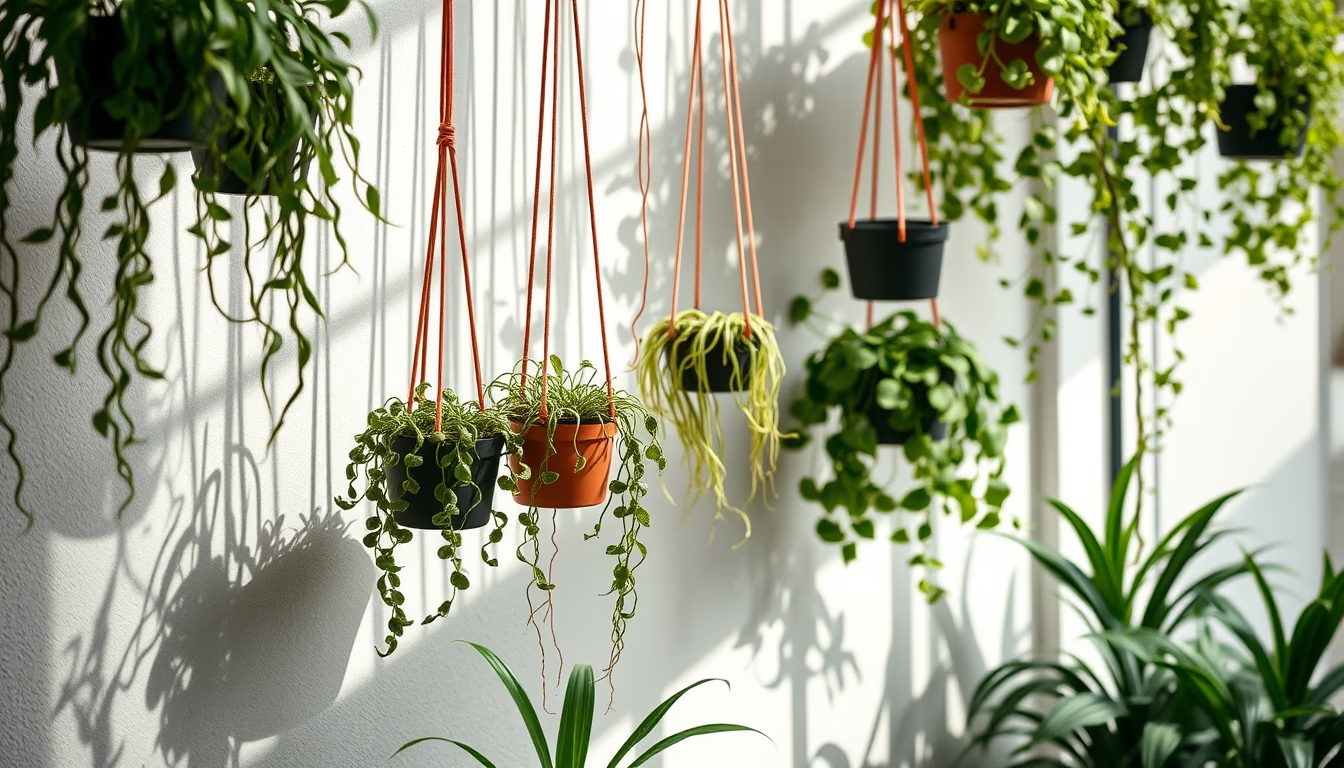
Hanging plants vertical garden is a gardening technique using suspended structures to grow plants, saving space and adding greenery to indoor and outdoor environments.
About this subject
Hanging vertical gardens are cultivation systems where plants are arranged in pots or panels attached to walls or elevated structures, maximizing the use of vertical space. This technique is particularly useful in urban areas with limited space, such as balconies, terraces, and interiors. Unlike traditional vertical gardens that use ground-fixed structures, hanging gardens offer greater flexibility in positioning and can be moved as needed.
The concept of hanging gardens dates back to the Hanging Gardens of Babylon, one of the Seven Wonders of the Ancient World, although no conclusive archaeological evidence exists. In contemporary gardening, vertical gardens gained popularity from the 2000s onward, driven by the biophilia movement and sustainability efforts. Plants like ferns, pothos, succulents, and herbs are common in these systems due to their adaptation to indirect light and low maintenance.
Beyond aesthetics, hanging plant gardens improve air quality by absorbing carbon dioxide and releasing oxygen. Studies indicate that indoor plants can reduce stress and boost productivity. Maintenance involves regular watering, pruning, and fertilizing, with automated irrigation systems becoming common in commercial projects. Fish-eye photography is a popular way to capture the grandeur of these gardens, distorting perspective to emphasize height and density of vegetation.
Frequently Asked Questions
Which plants are best for indoor hanging gardens?
Plants like ferns, pothos, succulents, and peperomias are ideal because they tolerate indirect light and require low maintenance.
How to install a hanging vertical garden at home?
Use sturdy supports fixed to the wall or ceiling, pots with drainage holes, and lightweight substrate. Consider ready-made modular systems for easier assembly.
Do hanging gardens need a lot of water?
Watering frequency depends on plant type and environment. Generally, water when the substrate is dry to the touch. Drip irrigation systems help automate.
Direct URL
https://pub-c7d6a6ea828543ac903a74a341ccb2e1.r2.dev/imagens/hanging-plants-vertical-garden-fish-eye-wide-angle-fresh8.avifHow to credit
Include a visible link back to UtilizAí. Copy one of the snippets below:
<a href="https://xn--utiliza-eza.com/en/midia/imagens/hanging-plants-vertical-garden-fish-eye-wide-angle-fresh8">Hanging plants vertical garden</a> by <a href="https://xn--utiliza-eza.com">UtilizAí</a>, licensed under <a href="https://creativecommons.org/licenses/by/4.0/">CC BY 4.0</a>.
[Hanging plants vertical garden](https://xn--utiliza-eza.com/en/midia/imagens/hanging-plants-vertical-garden-fish-eye-wide-angle-fresh8) by [UtilizAí](https://xn--utiliza-eza.com), CC BY 4.0
License: CC-BY-4.0