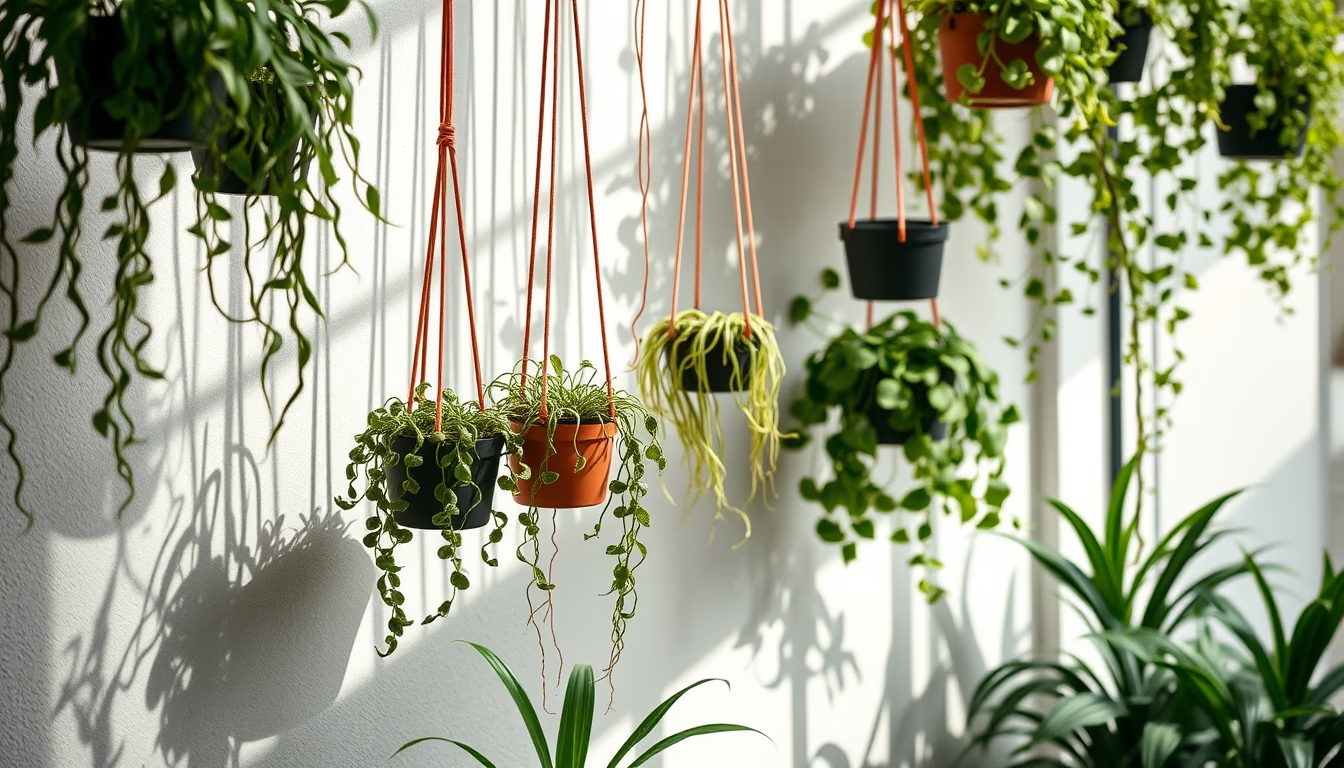
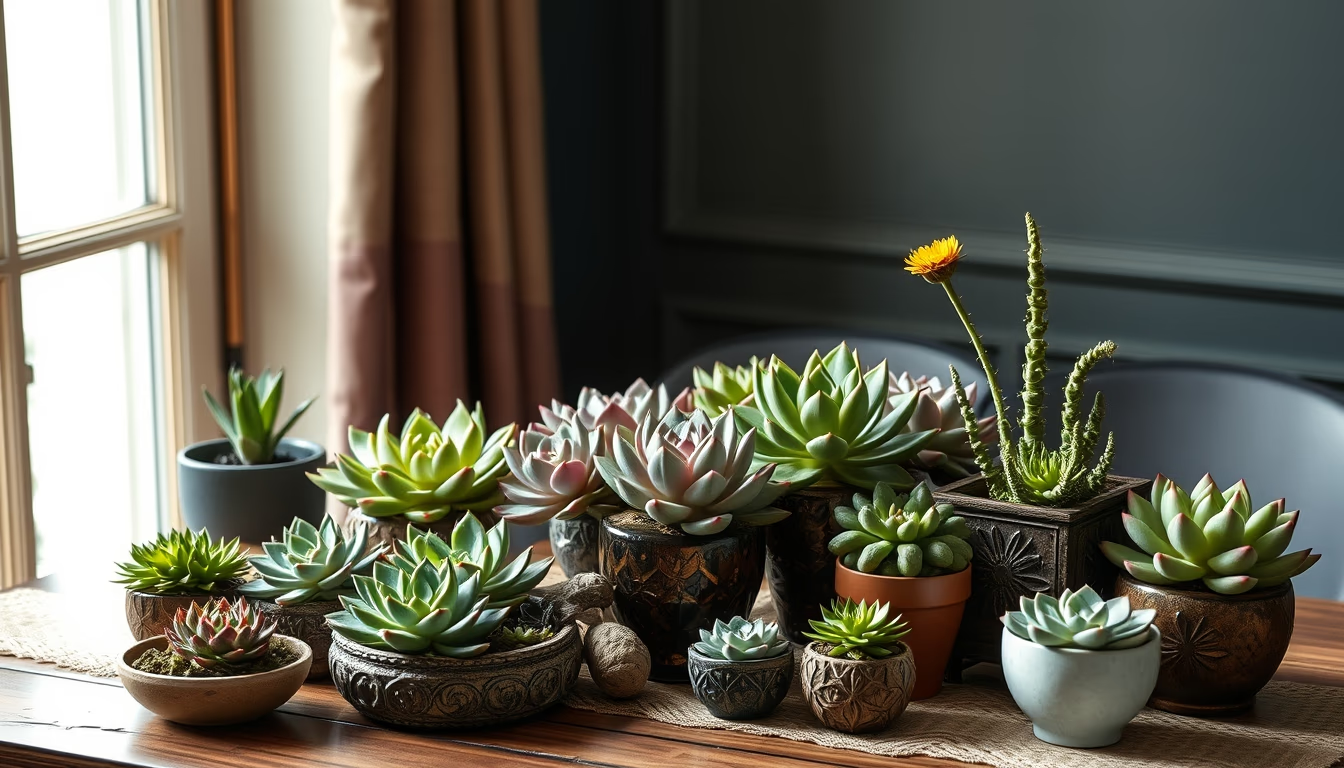
Hanging plants vertical garden
1344×768 · AVIF · CC BY 4.0
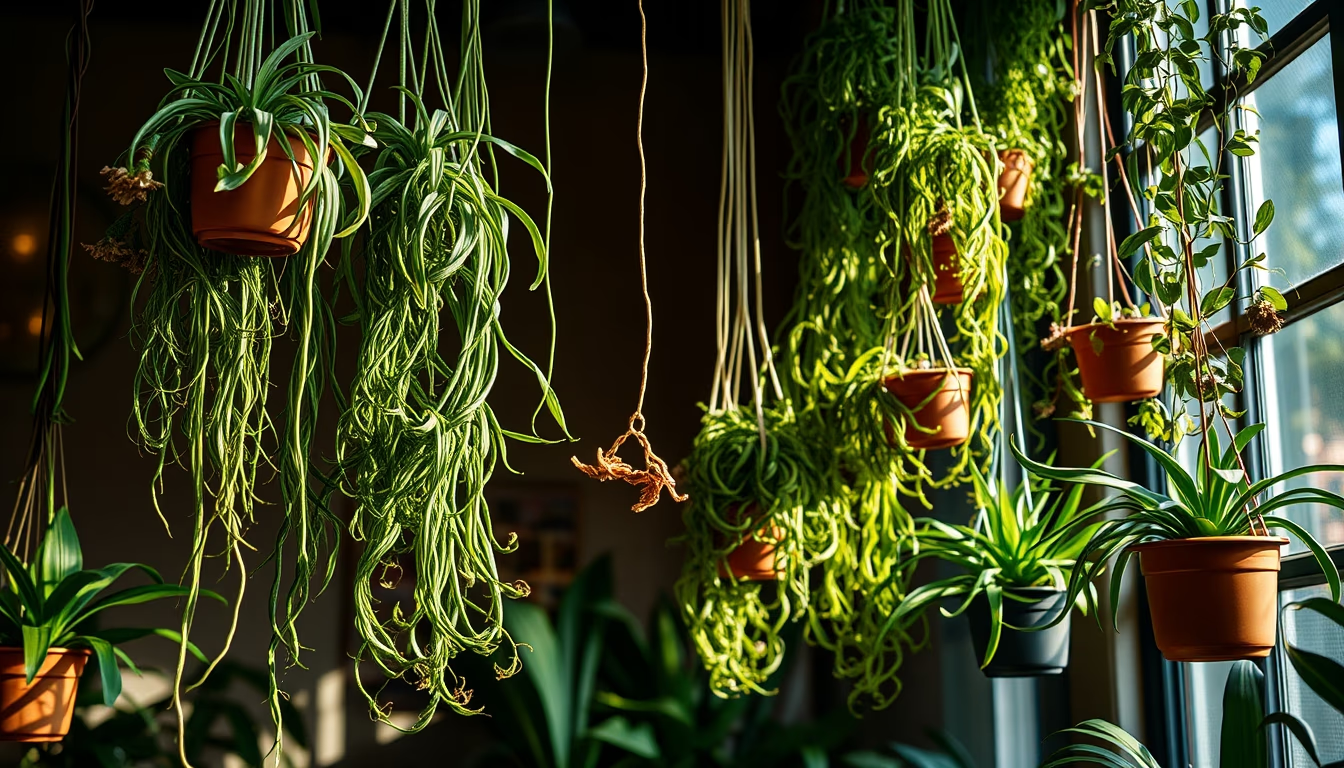
Hanging plant vertical gardens optimize urban spaces and improve air quality, combining aesthetics and sustainability.
About this subject
Hanging plant vertical gardens are an innovative solution for those who want to cultivate greenery in limited spaces, such as apartments and balconies. This technique involves fixing pots or vertical structures that allow plants to grow downward, creating a green cascade. Species like English ivy (Hedera helix), pothos (Epipremnum aureum), and rabbit's foot fern (Davallia fejeensis) are often used for their adaptability to indoor environments and low maintenance.
The concept of vertical gardening is not new; it dates back to the Hanging Gardens of Babylon, one of the Seven Wonders of the Ancient World. However, the modern version gained popularity with French architect Patrick Blanc, who patented the living wall system in the 1980s. Today, vertical gardens are used in sustainable architecture projects to reduce ambient temperature, absorb pollutants, and promote urban biodiversity. Studies show that one square meter of green wall can filter up to 200 grams of dust per year.
In Brazil, the use of hanging plants in vertical gardens is common in tropical climate regions, where humidity favors the growth of ferns and bromeliads. Beyond aesthetic appeal, these gardens contribute to the acoustic and thermal insulation of buildings. Installation requires careful irrigation: automated drip systems are recommended to ensure uniform hydration without waterlogging. Choosing the right substrate and light exposure are also critical factors for successful cultivation.
Interestingly, hanging plants are also studied for their ability to improve mental health. The presence of vegetation in indoor environments reduces stress and increases productivity, according to NASA research on air quality. Species like snake plant (Sansevieria trifasciata) and peace lily (Spathiphyllum wallisii) are recommended for their efficiency in removing volatile organic compounds such as formaldehyde and benzene.
Frequently Asked Questions
What are the best plants for a hanging vertical garden?
The best species include ivy, pothos, rabbit's foot fern, Boston fern, and string of pearls. These plants have trailing growth habits and thrive in indoor environments with indirect light.
How should I manage irrigation for a hanging vertical garden?
An automated drip irrigation system is recommended to provide consistent water without overwatering. Check substrate moisture regularly and adjust frequency based on the season.
Do vertical gardens with hanging plants help reduce indoor temperature?
Yes, green walls can lower indoor temperatures by up to 5°C through evaporative cooling and shading, in addition to improving thermal insulation.
Direct URL
https://pub-c7d6a6ea828543ac903a74a341ccb2e1.r2.dev/imagens/hanging-plants-vertical-garden-fine-art-photography-fresh17.avifHow to credit
Include a visible link back to UtilizAí. Copy one of the snippets below:
<a href="https://xn--utiliza-eza.com/en/midia/imagens/hanging-plants-vertical-garden-fine-art-photography-fresh17">Hanging plants vertical garden</a> by <a href="https://xn--utiliza-eza.com">UtilizAí</a>, licensed under <a href="https://creativecommons.org/licenses/by/4.0/">CC BY 4.0</a>.
[Hanging plants vertical garden](https://xn--utiliza-eza.com/en/midia/imagens/hanging-plants-vertical-garden-fine-art-photography-fresh17) by [UtilizAí](https://xn--utiliza-eza.com), CC BY 4.0
License: CC-BY-4.0