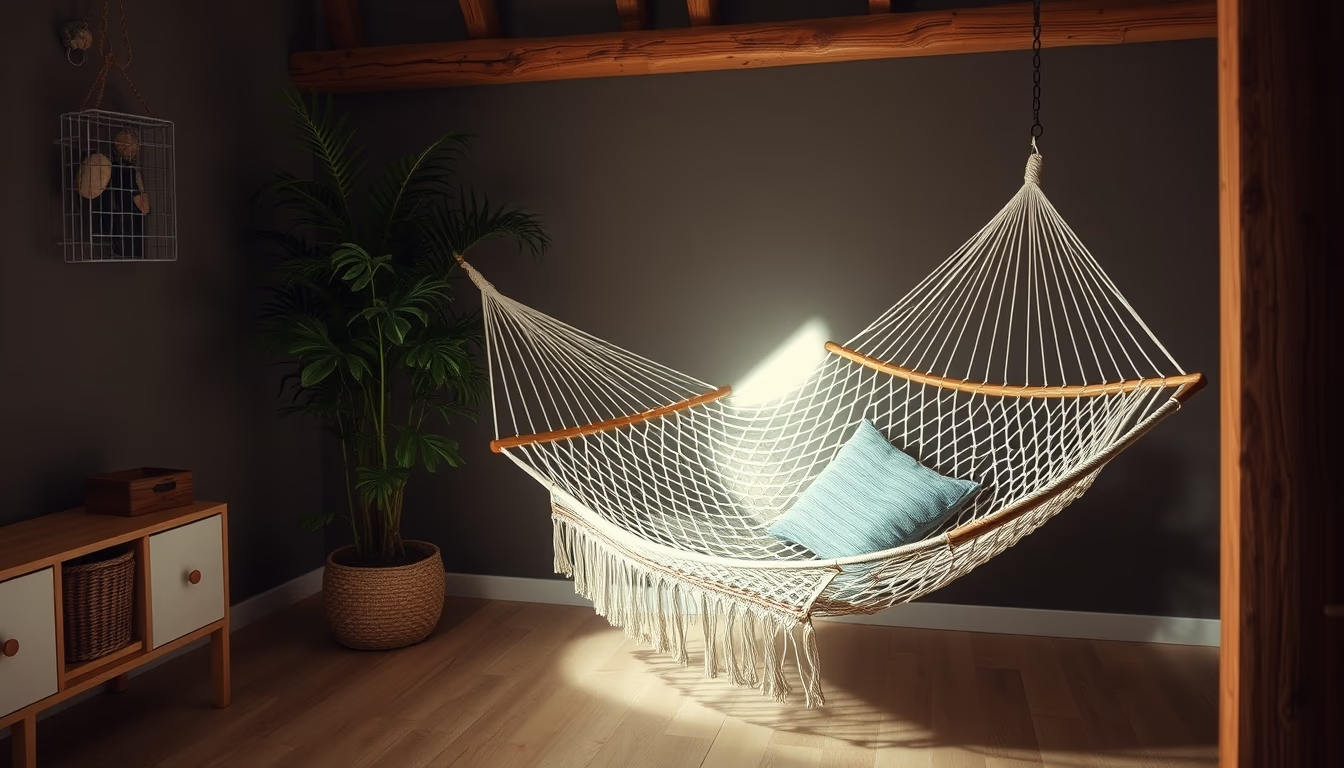
Hammock with book ocean
1344×768 · AVIF · CC BY 4.0

A hammock with a book by the seaside combines two icons of tropical leisure: suspended rest and contemplative reading.
About this subject
The hammock is a classic element of tropical cultures, especially in Brazil, where its origins trace back to the Tupi and Guarani indigenous peoples. Originally made from cotton or natural fibers, it spread worldwide as a symbol of rest and hospitality. When placed near the ocean, the hammock gains a setting that enhances relaxation: the sound of waves, the salty breeze, and the diffused sunlight. Reading a book in such an environment is not just a pastime but a practice proven by studies to reduce stress and improve focus. Reading outdoors, especially with an ocean view, stimulates serotonin production and promotes mental well-being.
The combination of hammock and book also carries aesthetic and symbolic appeal. In literature, the hammock appears in works by Jorge Amado and other Brazilian authors as a metaphor for a slower lifestyle connected to nature. The book represents knowledge and escapism. Together, they create an image of balance between body and mind. Practically, the ideal book for this setting varies: light novels, poetry, or short stories are most suitable, as they require little intellectual effort and match the gentle rhythm of the hammock.
Beyond culture, there is a functional dimension. Relaxation hammocks are designed to distribute body weight evenly, avoiding pressure points and allowing long reading sessions without discomfort. Fabrics like cotton or breathable polyester are recommended for humid beach environments. To protect the book from sand and sea spray, many readers use waterproof covers or plastic bags. This preparation ritual is part of the experience.
Finally, the popularity of this scene on social media and in fine art photography reflects a contemporary quest for digital disconnection and a return to simplicity. The image of a hammock with a book by the seaside has become a visual icon of the slow living movement, which advocates reducing life's pace and savoring genuine leisure moments. In an increasingly fast-paced world, this scene offers a necessary counterpoint.
Frequently Asked Questions
What is the origin of the hammock?
The hammock was invented by the indigenous peoples of the Americas, especially the Tupi and Guarani in Brazil. They used it for sleeping and resting, weaving fibers from cotton or local trees. Later, it was adopted by colonizers and sailors, spreading worldwide.
What books are recommended for reading in a hammock at the beach?
Light books such as novels, short stories, or poetry are recommended, as they require less concentration. Brazilian authors like Machado de Assis or Clarice Lispector can be good choices. Avoid very dense or technical books, as the relaxing environment may distract.
What precautions should be taken with a book at the beach?
Use waterproof covers or plastic bags to protect the book from sand and sea spray. Avoid leaving it exposed to direct sunlight for long to prevent damage to the cover and pages. Also, keep a bookmark handy to avoid losing your place in the wind.
Direct URL
https://pub-c7d6a6ea828543ac903a74a341ccb2e1.r2.dev/imagens/hammock-with-book-ocean-fine-art-photography-fresh8.avifHow to credit
Include a visible link back to UtilizAí. Copy one of the snippets below:
<a href="https://xn--utiliza-eza.com/en/midia/imagens/hammock-with-book-ocean-fine-art-photography-fresh8">Hammock with book ocean</a> by <a href="https://xn--utiliza-eza.com">UtilizAí</a>, licensed under <a href="https://creativecommons.org/licenses/by/4.0/">CC BY 4.0</a>.
[Hammock with book ocean](https://xn--utiliza-eza.com/en/midia/imagens/hammock-with-book-ocean-fine-art-photography-fresh8) by [UtilizAí](https://xn--utiliza-eza.com), CC BY 4.0
License: CC-BY-4.0