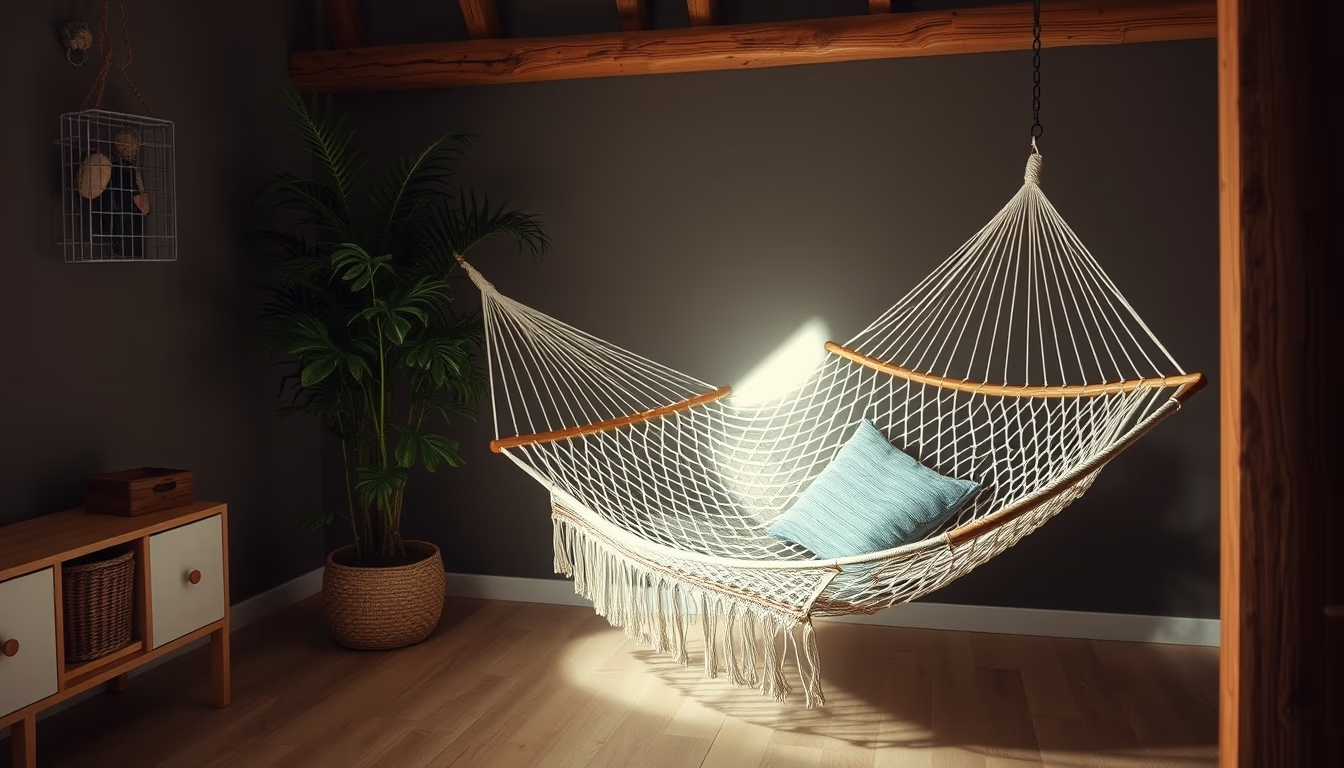
Hammock indoor cozy
1344×768 · AVIF · CC BY 4.0

Indoor hanging hammocks create a cozy retreat, blending Brazilian relaxation tradition with modern home comfort.
About this subject
The hammock, traditionally used on verandas and patios in Brazil, has found a new home indoors. Originating from Indigenous peoples, the hammock became widespread during the colonial period and is now an icon of Brazilian leisure. Inside homes, it adapts to living rooms, bedrooms, and even home offices, offering a relaxation spot without taking up permanent floor space. Contemporary design incorporates materials like cotton, crochet, and synthetic fibers, allowing integration with various decor styles.
The benefits of indoor hammocks go beyond comfort. The gentle rocking motion promotes muscle relaxation and can help reduce stress. Installation is flexible: free-standing stands, ceiling hooks, or beam anchors allow setup in any room. Hammocks with spreader bars or firmer fabrics provide extra support for those who prefer a more upright posture while reading or using electronics.
Lighting plays a key role in setting the atmosphere. Indirect light or dramatic shadows, as seen in Rembrandt lighting, highlight the hammock's curves and invite rest. Natural materials like raw cotton or colorful woven hammocks add texture and warmth. Maintenance is simple: most can be machine washed and dry quickly.
Globally, indoor hammocks have been embraced in colder climates as a tropical touch that breaks interior monotony. They represent an invitation to slow down and prioritize well-being, values increasingly sought in modern life. Whether for an afternoon nap or reading a book, the indoor hammock is a versatile piece that transforms any space.
Frequently Asked Questions
Is it safe to hang a hammock indoors?
Yes, as long as anchor points are secure: wooden beams or walls with proper weight-rated anchors. Freestanding hammock stands are a safe and convenient alternative if drilling is not possible.
What material is best for an indoor hammock?
Cotton and crochet offer softness and comfort, ideal for living rooms and bedrooms. Nylon or polyester are more durable and quick-drying, suitable for covered patios or humid areas.
Can a hammock replace a bed permanently?
It is not recommended for continuous overnight sleep, as the curved shape can affect posture and circulation. For occasional naps and relaxation, it is excellent.
Direct URL
https://pub-c7d6a6ea828543ac903a74a341ccb2e1.r2.dev/imagens/hammock-indoor-cozy-rembrandt-lighting-dramatic-shadows-fresh3.avifHow to credit
Include a visible link back to UtilizAí. Copy one of the snippets below:
<a href="https://xn--utiliza-eza.com/en/midia/imagens/hammock-indoor-cozy-rembrandt-lighting-dramatic-shadows-fresh3">Hammock indoor cozy</a> by <a href="https://xn--utiliza-eza.com">UtilizAí</a>, licensed under <a href="https://creativecommons.org/licenses/by/4.0/">CC BY 4.0</a>.
[Hammock indoor cozy](https://xn--utiliza-eza.com/en/midia/imagens/hammock-indoor-cozy-rembrandt-lighting-dramatic-shadows-fresh3) by [UtilizAí](https://xn--utiliza-eza.com), CC BY 4.0
License: CC-BY-4.0