Hagia sophia istanbul
1344×768 · AVIF · CC BY 4.0
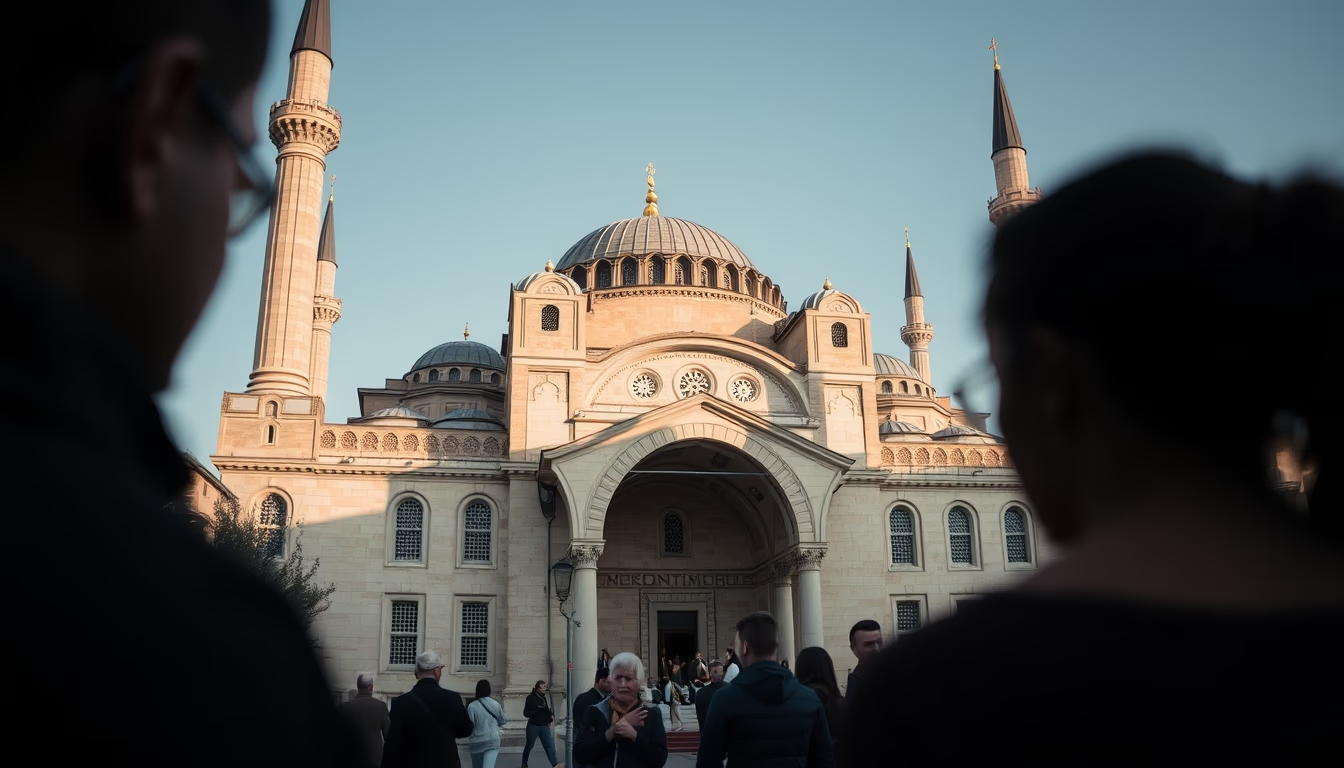
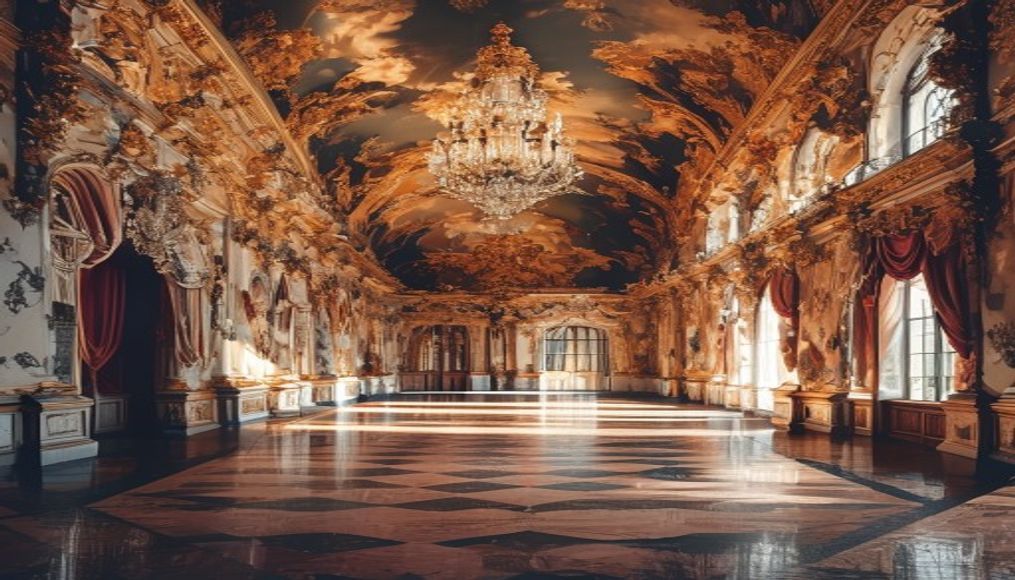
Hagia Sophia in Istanbul, Turkey, is one of the world's most emblematic monuments, blending Byzantine and Ottoman history.
About this subject
Built between 532 and 537 AD by order of Emperor Justinian I, Hagia Sophia was the largest cathedral in the world for nearly a thousand years. Its architects, Isidore of Miletus and Anthemius of Tralles, employed innovative techniques to raise a colossal dome 31 meters in diameter, supported by pendentives and buttresses. The structure represented the pinnacle of Byzantine engineering and influenced religious architecture for centuries.
After the Ottoman conquest in 1453, the building was converted into a mosque. The Ottomans added minarets, a mihrab, and calligraphic panels with names of Allah, Muhammad, and the first caliphs. Christian mosaics were plastered over, preserving them until later restorations. During the Ottoman period, Hagia Sophia served as a model for other imperial mosques, such as the Blue Mosque.
In 1935, under Mustafa Kemal Atatürk, the monument was secularized and turned into a museum, open to visitors of all faiths. In 2020, a presidential decree reversed its status to a mosque, while keeping partial access for tourism. UNESCO, which lists the site as a World Heritage Site, expressed concern over the changes, but the structure remains a symbol of Istanbul's complex cultural history.
Frequently Asked Questions
Why is Hagia Sophia considered an engineering masterpiece?
Its main dome, 31 meters in diameter, was the largest ever built at the time and required innovative solutions such as pendentives to distribute the weight.
Is Hagia Sophia currently open to tourists?
Yes, since 2020 it functions as a mosque but maintains visiting hours for tourists, typically outside prayer times.
What are the main architectural elements that combine Byzantine and Ottoman cultures?
Christian mosaics covered by Islamic calligraphy, the original Byzantine dome, and the minarets added by the Ottomans are the most striking examples.
Direct URL
https://pub-c7d6a6ea828543ac903a74a341ccb2e1.r2.dev/imagens/hagia-sophia-istanbul-documentary-photography-p7.avifHow to credit
Include a visible link back to UtilizAí. Copy one of the snippets below:
<a href="https://xn--utiliza-eza.com/en/midia/imagens/hagia-sophia-istanbul-documentary-photography-p7">Hagia sophia istanbul</a> by <a href="https://xn--utiliza-eza.com">UtilizAí</a>, licensed under <a href="https://creativecommons.org/licenses/by/4.0/">CC BY 4.0</a>.
[Hagia sophia istanbul](https://xn--utiliza-eza.com/en/midia/imagens/hagia-sophia-istanbul-documentary-photography-p7) by [UtilizAí](https://xn--utiliza-eza.com), CC BY 4.0
License: CC-BY-4.0