Gyrocopter autogyro
1344×768 · AVIF · CC BY 4.0
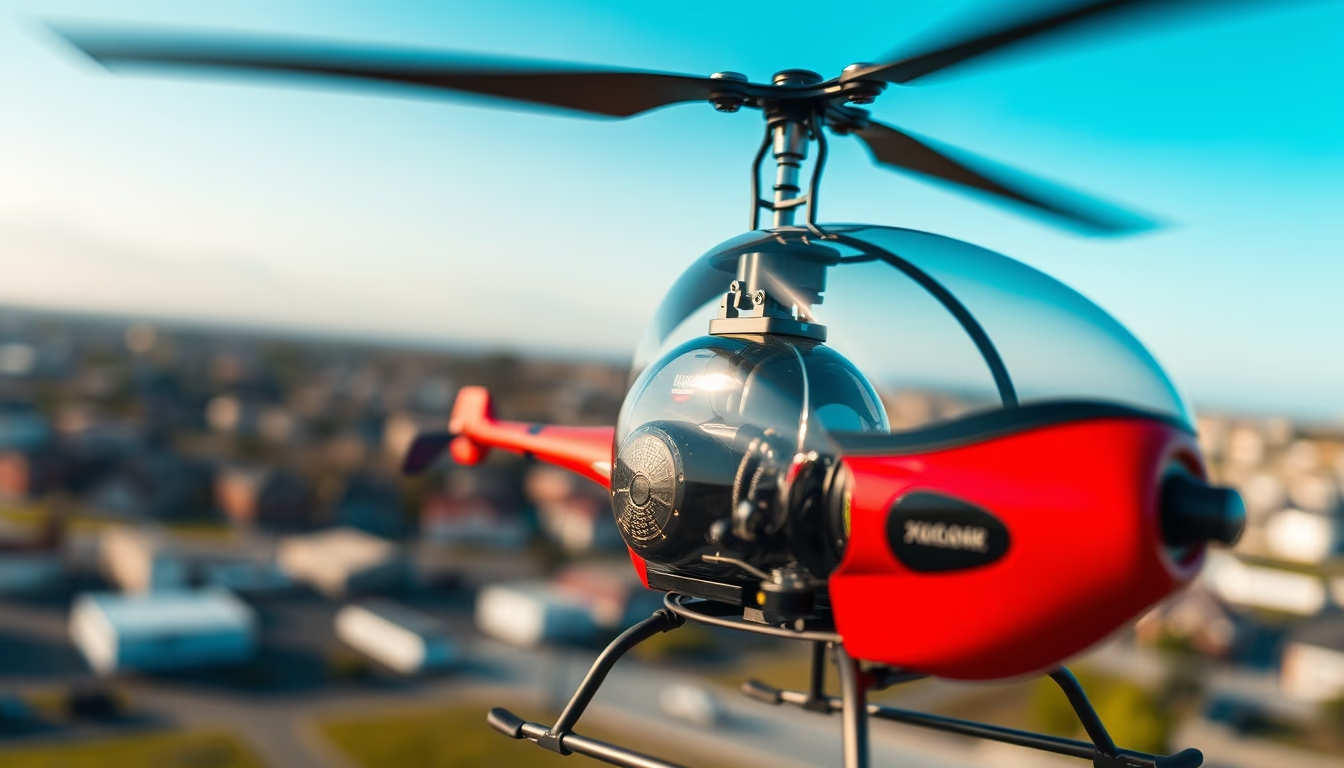
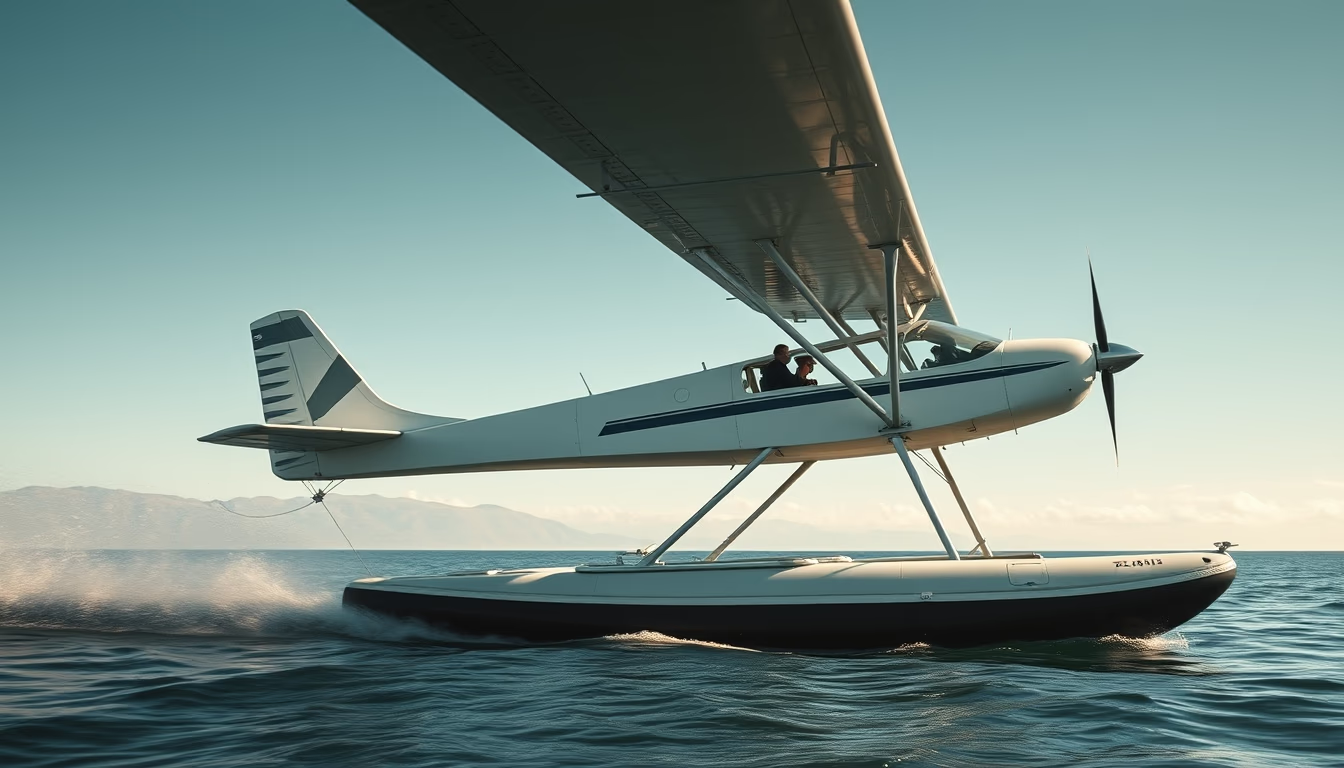
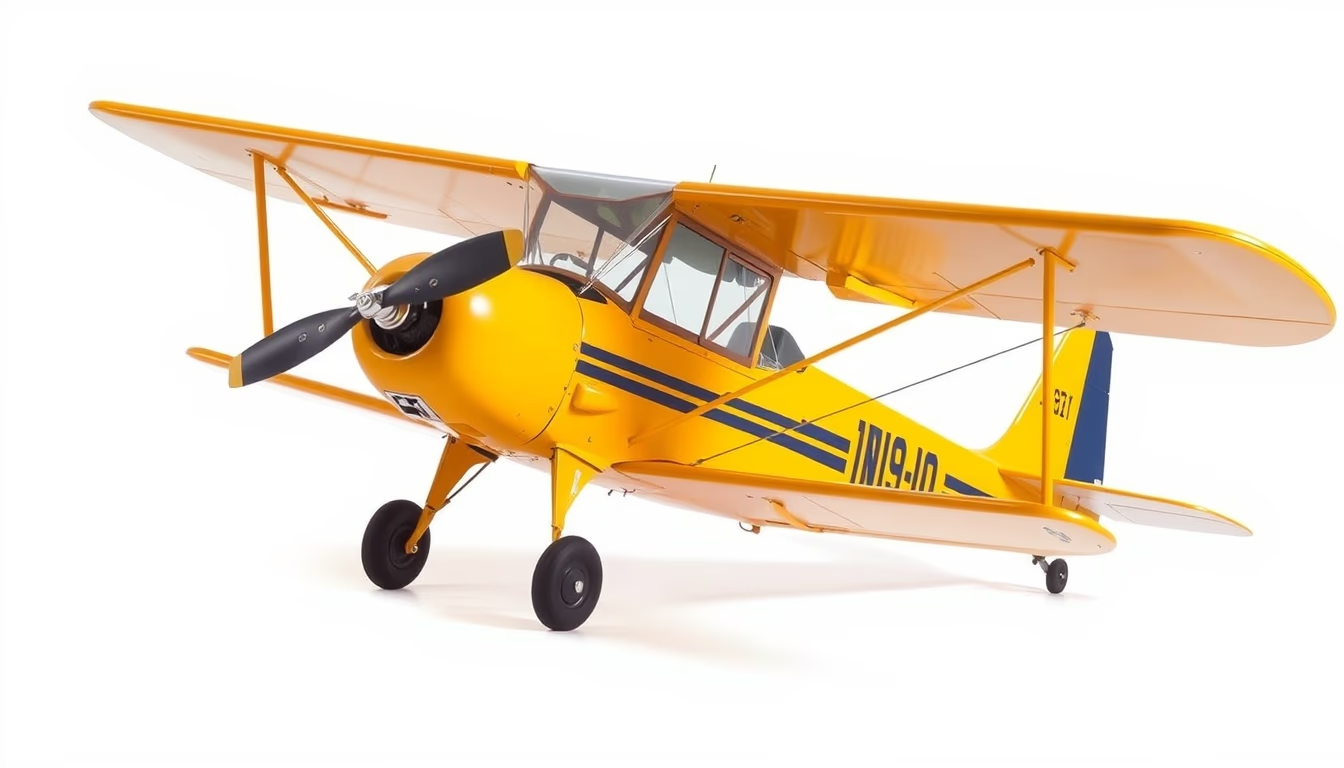
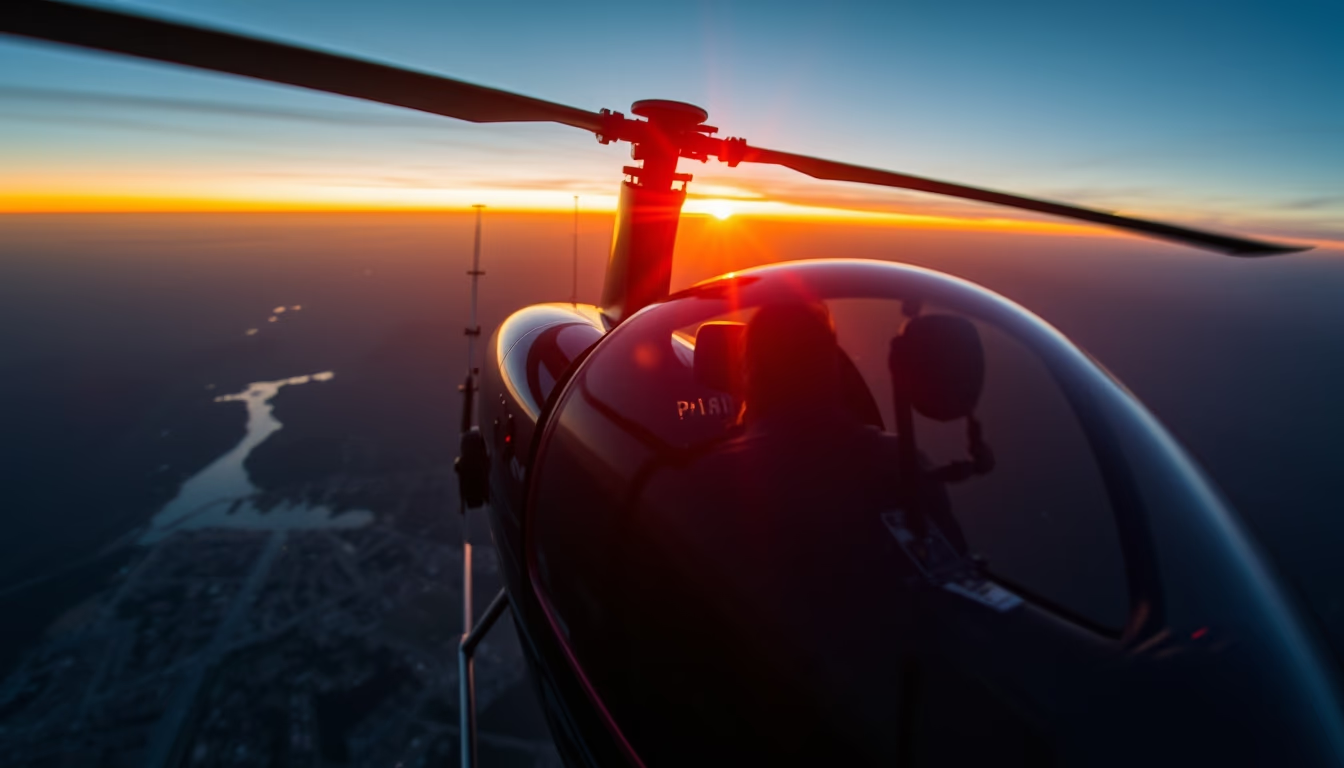
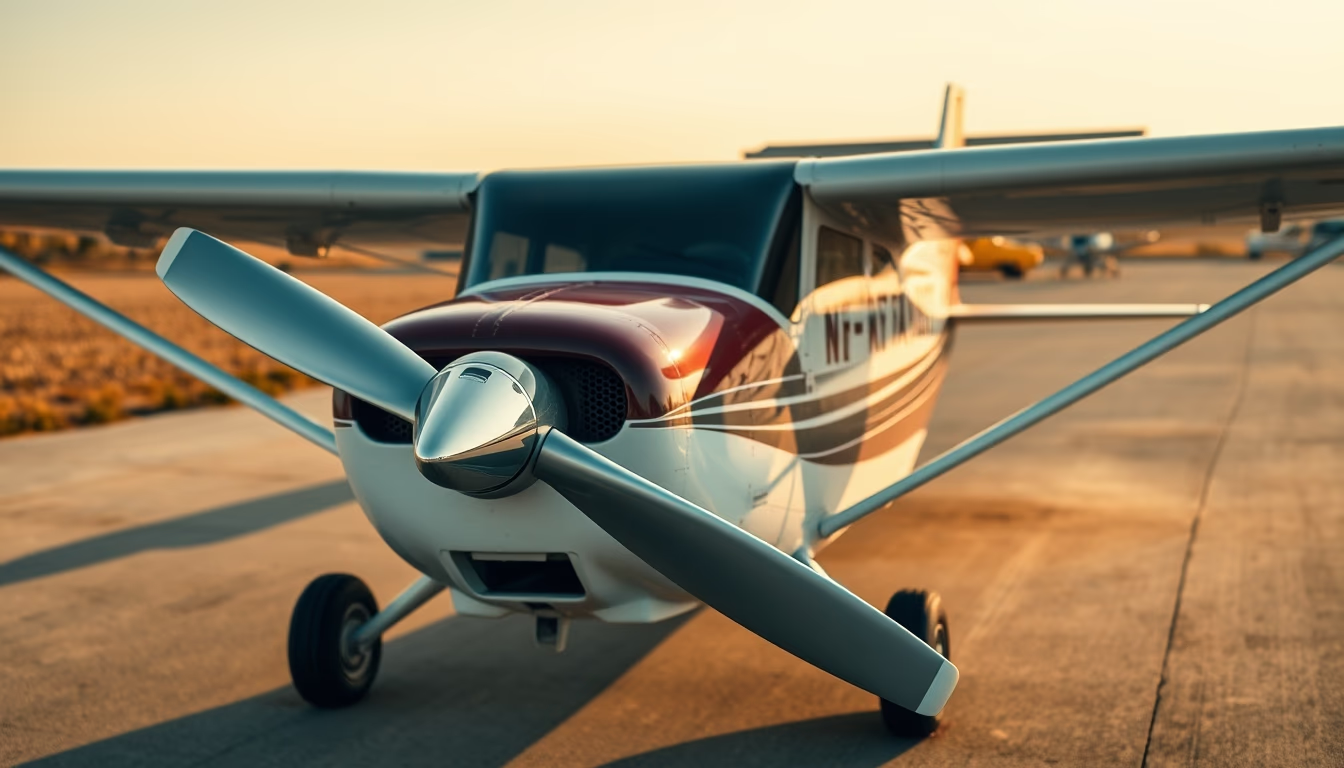
The autogyro, also known as a gyrocopter, is a rotary-wing aircraft that combines features of helicopters and airplanes, using a free-spinning rotor for lift and a propeller for thrust.
About this subject
The autogyro, or gyrocopter, is an aircraft that uses an unpowered main rotor to generate lift, driven by the relative airflow. Unlike a helicopter, its rotor is not powered by an engine during cruise flight; propulsion is provided by a conventional propeller mounted at the rear or front. This configuration gives the autogyro the ability to fly at low speeds and land almost vertically, similar to a helicopter, but with significantly lower operating and maintenance costs.
Invented by Spanish engineer Juan de la Cierva in 1923, the autogyro pioneered rotary-wing development, influencing later helicopter designs. De la Cierva sought a safe aircraft that would avoid the stall problem common in fixed wings at the time. His first successful model, the Cierva C.4, made the first controlled flight of a rotary-wing aircraft. During the 1930s and 1940s, autogyros were widely used for exploration, military training, and intercity connections.
Today, autogyros are experiencing a revival as light recreational, surveillance, and agricultural aircraft. They offer advantages such as short takeoff, excellent pilot visibility, and stable low-speed flight. Because they do not require complex and expensive rotors like helicopters, they are more affordable for enthusiasts. Moreover, in the event of engine failure, the autogyro can glide safely due to autorotation of the rotor, making it one of the safest aircraft available.
Frequently Asked Questions
How does an autogyro work?
An autogyro uses a main rotor that spins freely, driven by the airflow passing through it during flight. Propulsion is provided by a motor-driven propeller, and the rotor generates lift without being connected to the engine, allowing slow flight and near-vertical landings.
What is the difference between an autogyro and a helicopter?
In a helicopter, the rotor is powered by the engine to generate lift and propulsion. In an autogyro, the rotor spins freely and only the propeller is motorized, resulting in lower cost and greater safety in case of engine failure, but with less vertical takeoff capability.
What are the applications of autogyros?
Today, autogyros are used mainly for recreation, pilot training, aerial surveillance, power line inspection, and agricultural applications such as spraying and crop monitoring.
Direct URL
https://pub-c7d6a6ea828543ac903a74a341ccb2e1.r2.dev/imagens/gyrocopter-autogyro-tilt-shift-miniature-fresh6.avifHow to credit
Include a visible link back to UtilizAí. Copy one of the snippets below:
<a href="https://xn--utiliza-eza.com/en/midia/imagens/gyrocopter-autogyro-tilt-shift-miniature-fresh6">Gyrocopter autogyro</a> by <a href="https://xn--utiliza-eza.com">UtilizAí</a>, licensed under <a href="https://creativecommons.org/licenses/by/4.0/">CC BY 4.0</a>.
[Gyrocopter autogyro](https://xn--utiliza-eza.com/en/midia/imagens/gyrocopter-autogyro-tilt-shift-miniature-fresh6) by [UtilizAí](https://xn--utiliza-eza.com), CC BY 4.0
License: CC-BY-4.0