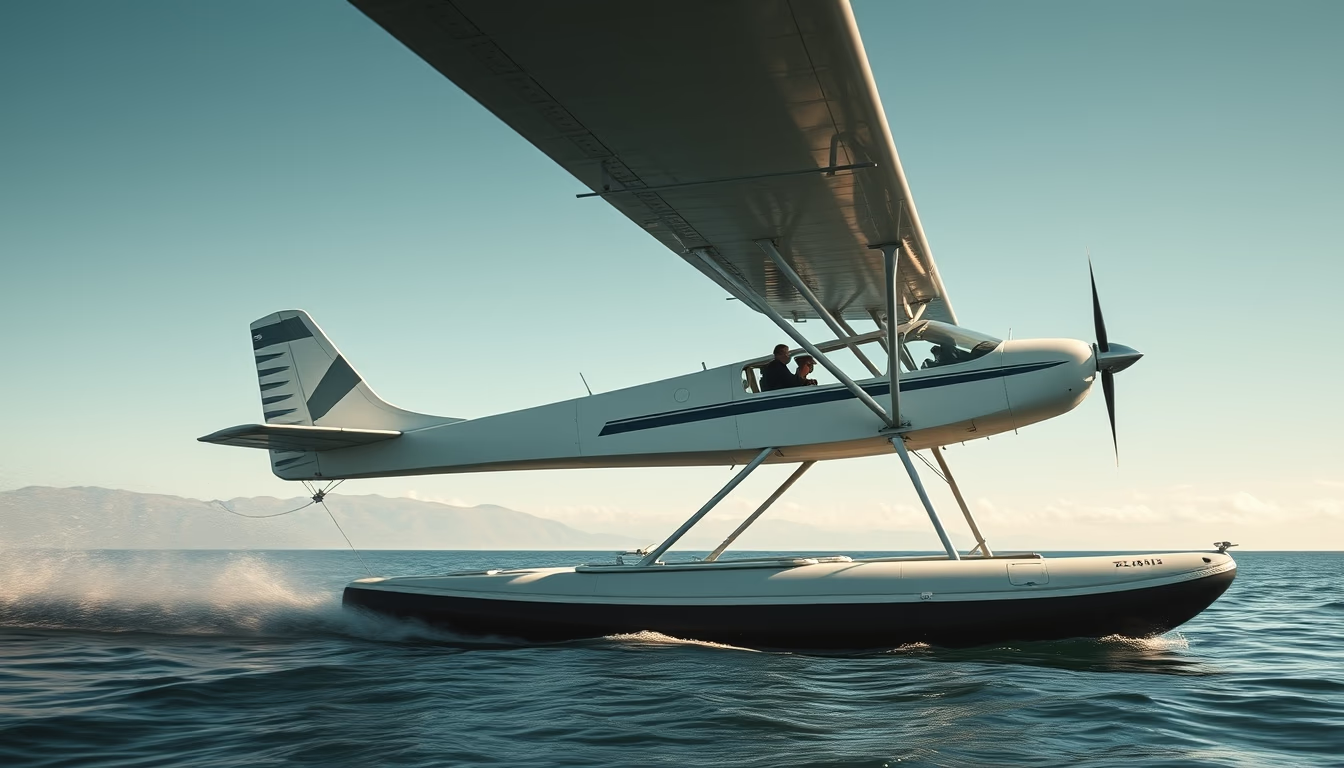
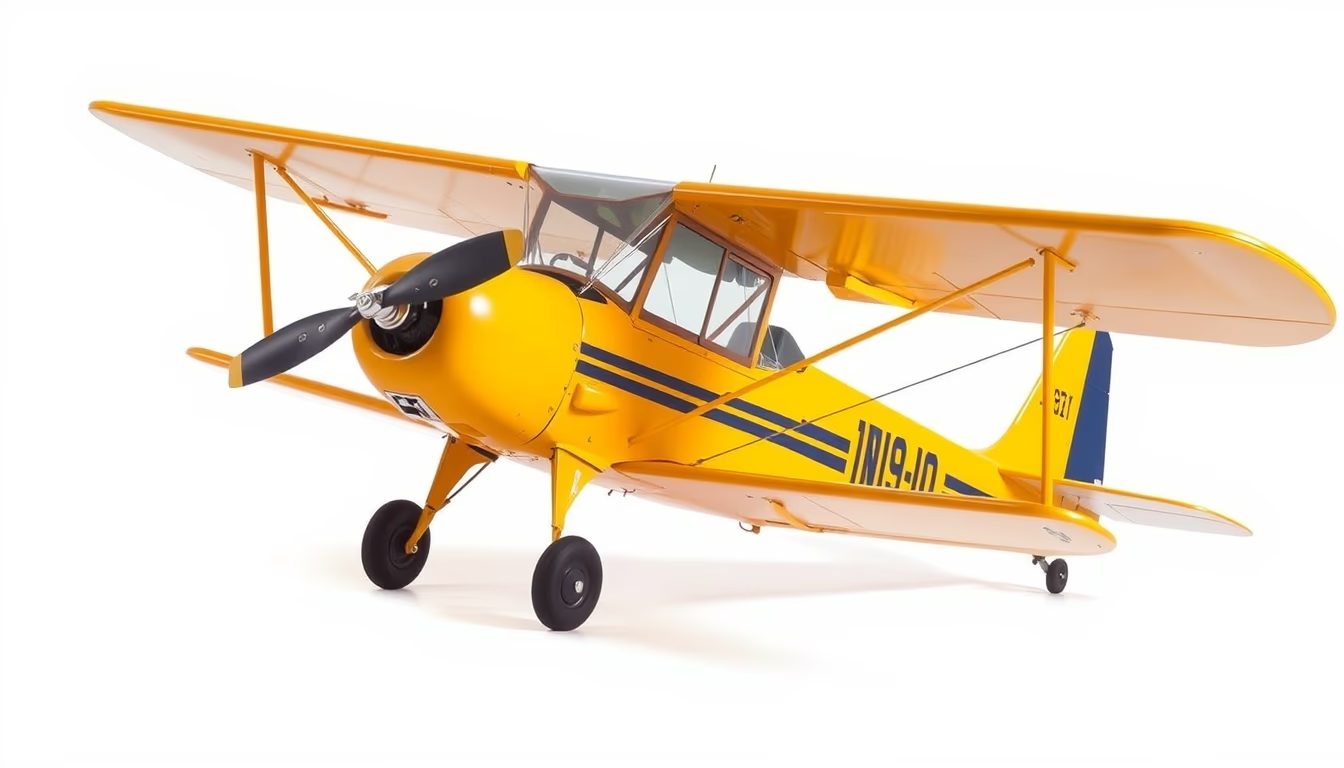
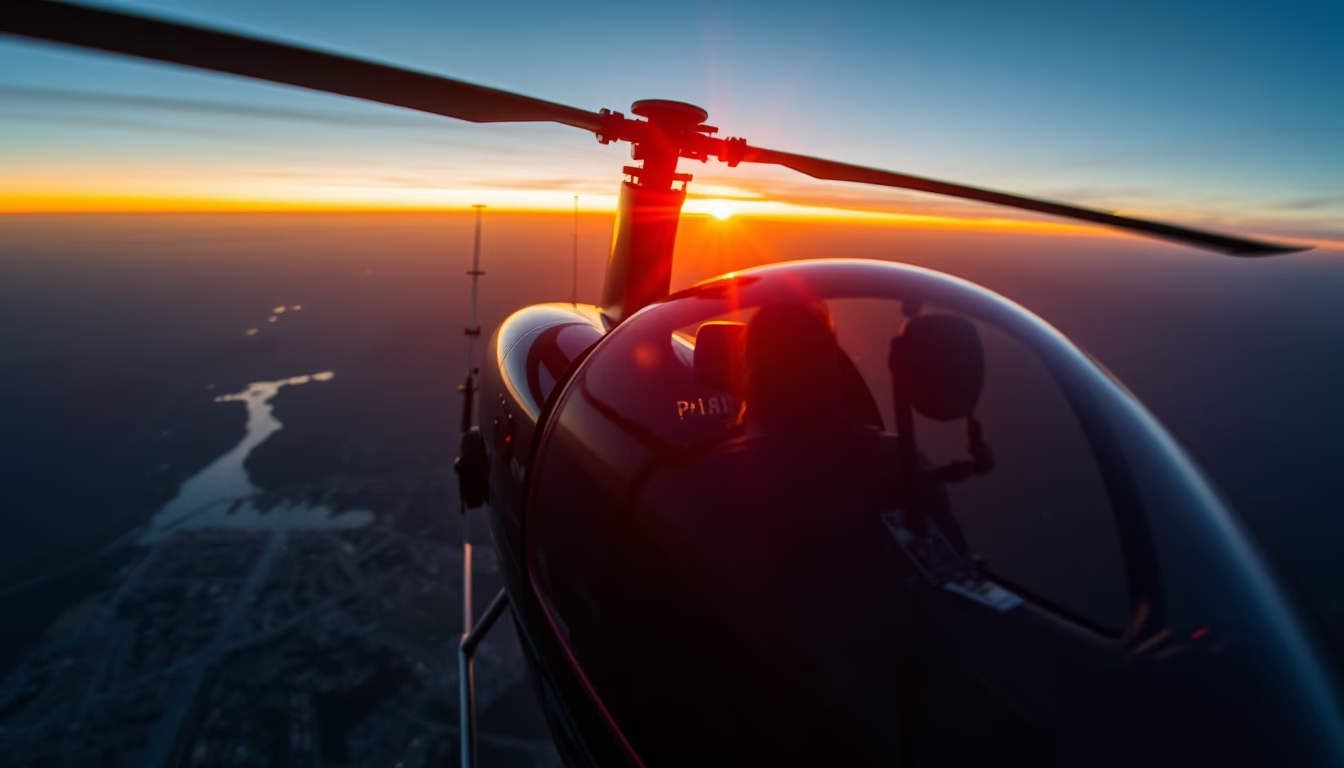
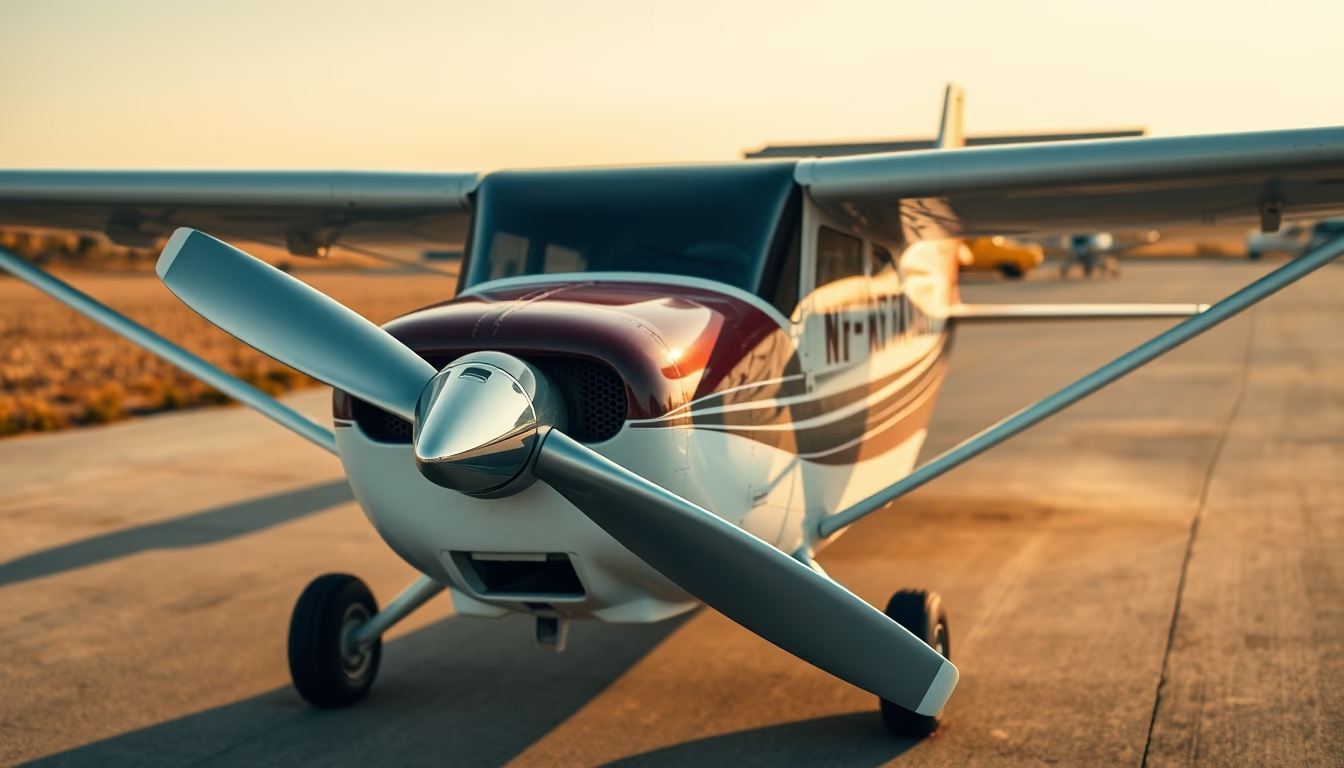
Gyrocopter autogyro
1344×768 · AVIF · CC BY 4.0
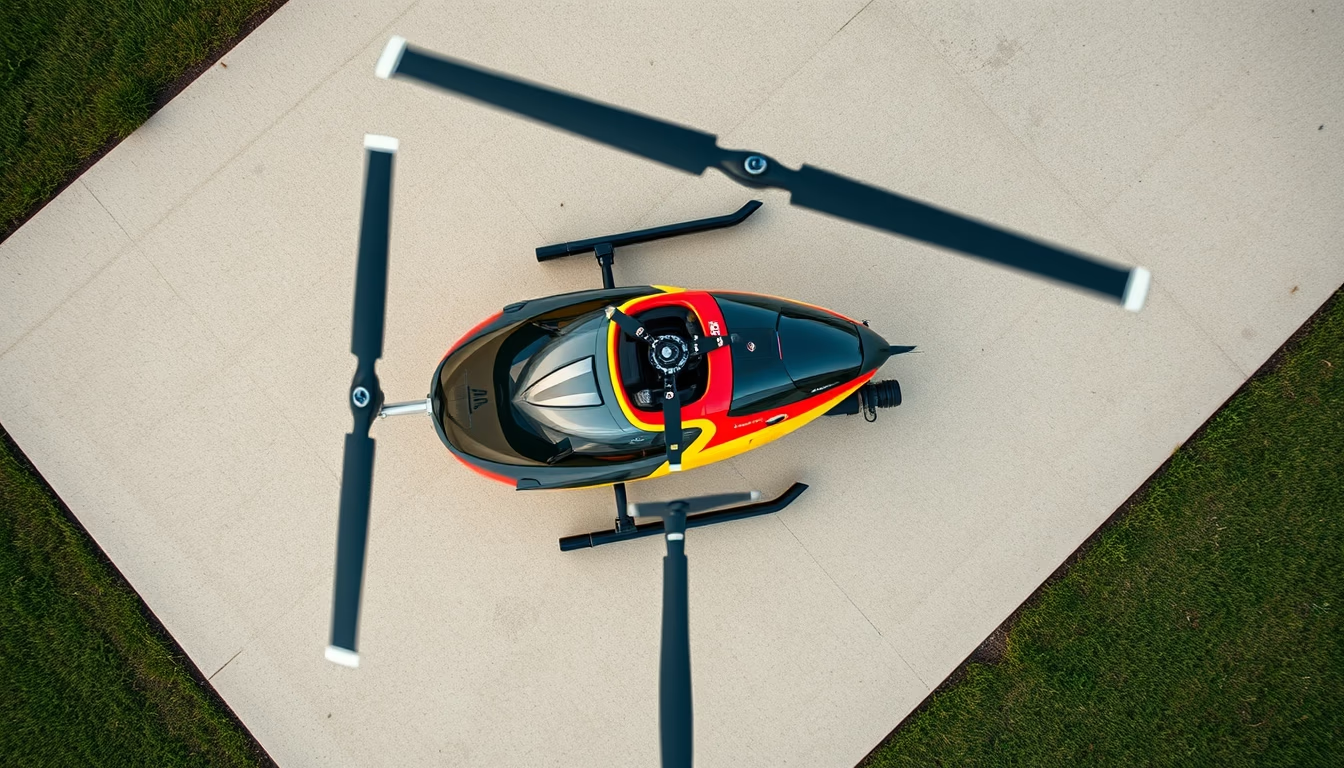
The autogyro, also known as a gyrocopter, is a rotary-wing aircraft that uses autorotation for lift, combining mechanical simplicity with flight safety.
About this subject
The autogyro, also known as a gyrocopter, was invented by Spanish engineer Juan de la Cierva in 1923. Unlike a helicopter, the main rotor of an autogyro is unpowered; it spins freely driven by the airflow as the aircraft moves forward, generating lift through autorotation. This feature makes the autogyro inherently safe, as even with engine power loss, the rotor continues to rotate, allowing a controlled landing in a gliding descent.
The engine of an autogyro is used solely for a rear propeller that provides horizontal thrust. The aircraft takes off after a short ground roll and flies at moderate speeds, typically between 50 and 150 km/h. Its maneuverability and low stall speed make it popular for recreational flying, aerial photography, and agricultural monitoring. Many models are classified as Light Sport Aircraft (LSA) in various countries.
Historically, the autogyro was a precursor to the helicopter, demonstrating the viability of rotary-wing flight. During the 1930s and 1940s, several air forces used autogyros for observation and reconnaissance. Today, the design has seen a resurgence with the growth of experimental and ultralight aviation. Companies like AutoGyro and Magni Gyro produce modern models that meet stringent safety standards.
A technical curiosity is that the autogyro pilot can control the descent path by varying the rotor pitch, similar to a steerable parachute. Additionally, many autogyros have a pre-rotator that speeds up the rotor before takeoff, reducing the required distance. Though slower than conventional airplanes, autogyros offer a unique flying experience, combining the freedom of open flight with the dynamic stability of a free-spinning rotor.
Frequently Asked Questions
What is the difference between an autogyro and a helicopter?
In a helicopter, the rotor is powered to generate lift and propulsion. In an autogyro, the rotor is unpowered and spins by autorotation, while a rear propeller provides forward thrust. This makes the autogyro simpler and safer in case of engine failure.
Do I need a pilot's license to fly an autogyro?
Yes, a specific license is required. In many countries, including the US and Brazil, you need at least a Private Pilot license with a gyroplane rating, along with appropriate medical certification.
Is an autogyro considered a safe aircraft?
Yes, the autogyro is considered very safe due to autorotation. Even with total power loss, the rotor continues to spin, allowing a controlled landing. It also does not spin like fixed-wing aircraft and has a low stall speed.
Direct URL
https://pub-c7d6a6ea828543ac903a74a341ccb2e1.r2.dev/imagens/gyrocopter-autogyro-isometric-flat-lay-fresh4.avifHow to credit
Include a visible link back to UtilizAí. Copy one of the snippets below:
<a href="https://xn--utiliza-eza.com/en/midia/imagens/gyrocopter-autogyro-isometric-flat-lay-fresh4">Gyrocopter autogyro</a> by <a href="https://xn--utiliza-eza.com">UtilizAí</a>, licensed under <a href="https://creativecommons.org/licenses/by/4.0/">CC BY 4.0</a>.
[Gyrocopter autogyro](https://xn--utiliza-eza.com/en/midia/imagens/gyrocopter-autogyro-isometric-flat-lay-fresh4) by [UtilizAí](https://xn--utiliza-eza.com), CC BY 4.0
License: CC-BY-4.0