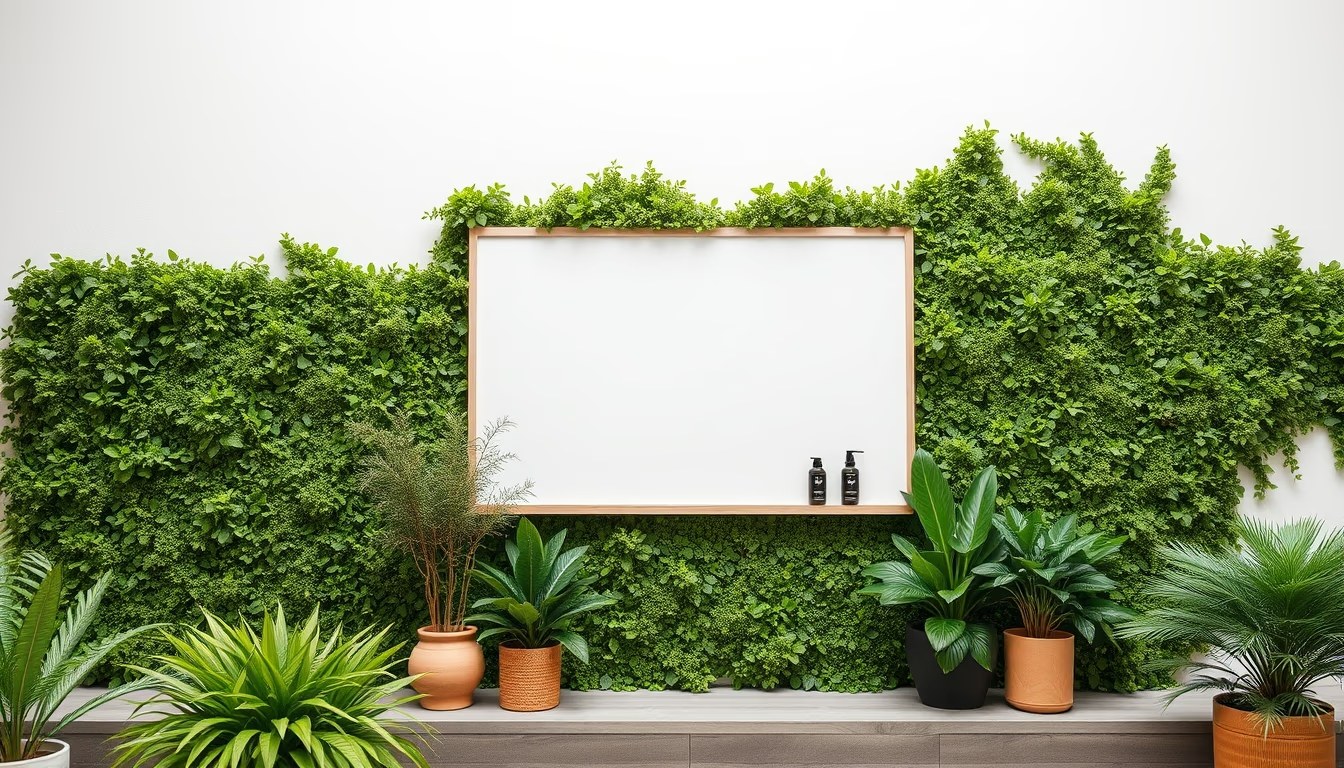
Green wall building
1344×768 · AVIF · CC BY 4.0
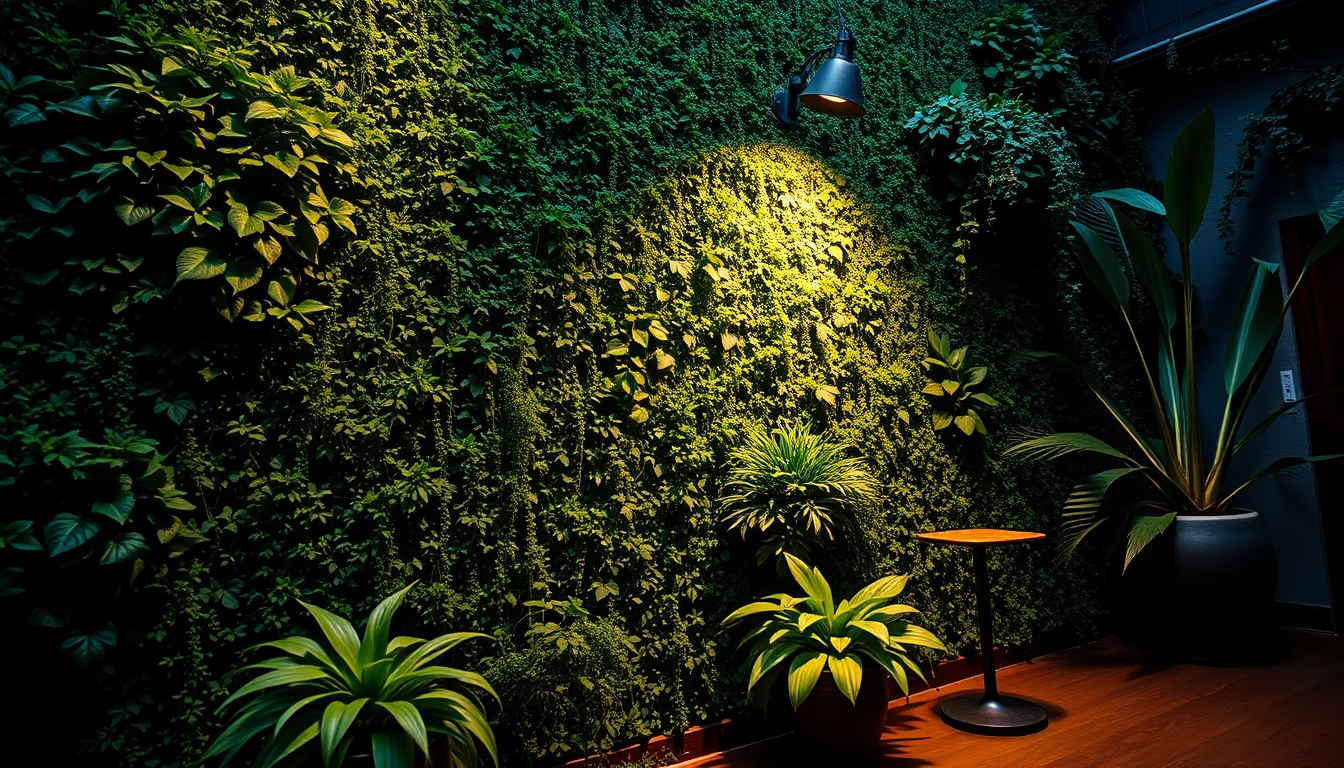
Green walls turn buildings into urban oases, improving air quality and thermal comfort in smart cities.
About this subject
Green walls, also known as living walls or vertical gardens, are structures that cover building facades with vegetation. The concept was popularized by French botanist Patrick Blanc in the 1980s, who created modular panel systems with substrate and automated irrigation. These systems allow plants to grow vertically without soil contact, using a combination of felt, metal frames and drainage layers.
The benefits of green walls are well documented. They act as thermal insulators, reducing internal building temperatures by up to 5°C in summer and decreasing heat loss in winter. They also filter air pollutants, such as fine particulate matter and CO2, and dampen urban noise by up to 8 decibels. Additionally, they promote biodiversity by attracting birds and pollinating insects in densely built areas.
Iconic examples include the CaixaForum Madrid in Spain, with its 460-square-meter vertical garden designed by Patrick Blanc, and One Central Park in Sydney, Australia, which features over 35,000 plants on its facade. In Brazil, the E-Tower building in São Paulo has a green wall with 120,000 seedlings, while the Museum of Tomorrow in Rio de Janeiro integrates native vegetation into its vertical landscape design.
As part of the smart city trend for 2026, green walls are considered nature-based solutions to mitigate urban heat islands, manage stormwater, and improve residents' mental health. Maintenance involves drip irrigation systems, liquid fertilization and remote monitoring, ensuring water efficiency and longevity of the vertical ecosystem.
Frequently Asked Questions
How does irrigation work on a green wall?
Irrigation is usually done via drip systems, with tubes distributing water across the modules. Excess water is collected by gravity and reused, reducing consumption.
Which plants are most commonly used in green walls?
Species like ferns, bromeliads, ivy and succulents are common due to their resilience and low maintenance. Selection depends on climate, sun exposure and aesthetic goals.
Can green walls reduce urban temperatures?
Yes, they help mitigate urban heat islands by evaporating water and providing shade. Studies show that neighborhoods with green facades can be up to 2°C cooler than nearby areas.
Direct URL
https://pub-c7d6a6ea828543ac903a74a341ccb2e1.r2.dev/imagens/green-wall-building-fine-art-photography-p3.avifHow to credit
Include a visible link back to UtilizAí. Copy one of the snippets below:
<a href="https://xn--utiliza-eza.com/en/midia/imagens/green-wall-building-fine-art-photography-p3">Green wall building</a> by <a href="https://xn--utiliza-eza.com">UtilizAí</a>, licensed under <a href="https://creativecommons.org/licenses/by/4.0/">CC BY 4.0</a>.
[Green wall building](https://xn--utiliza-eza.com/en/midia/imagens/green-wall-building-fine-art-photography-p3) by [UtilizAí](https://xn--utiliza-eza.com), CC BY 4.0
License: CC-BY-4.0