Graff promise ring princess cut
1344×768 · AVIF · CC BY 4.0
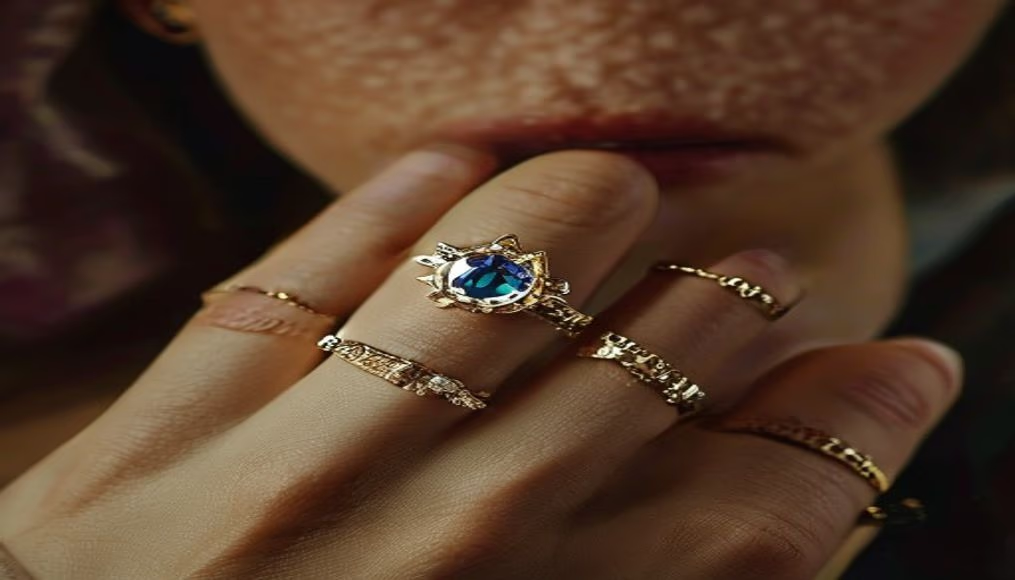
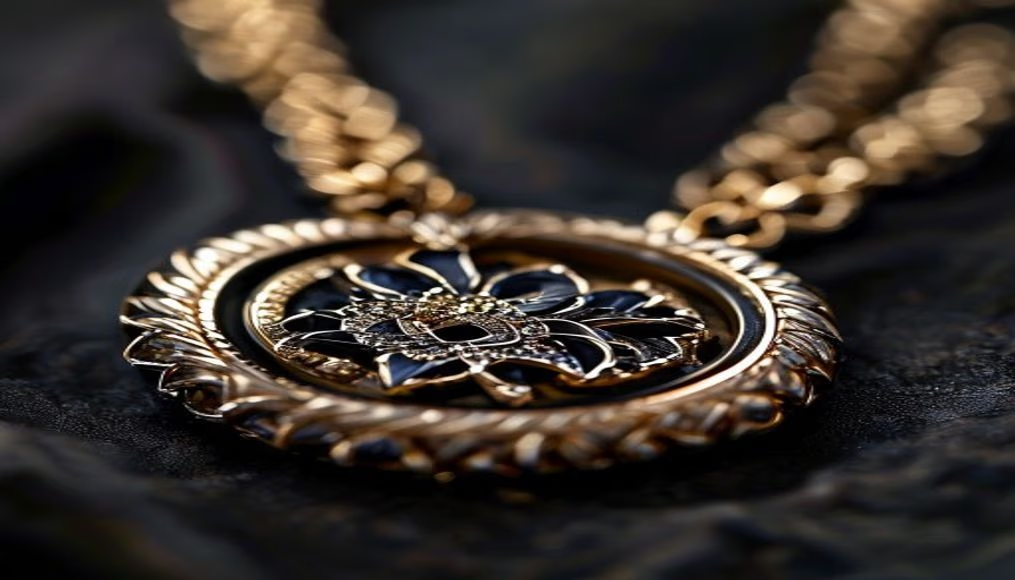
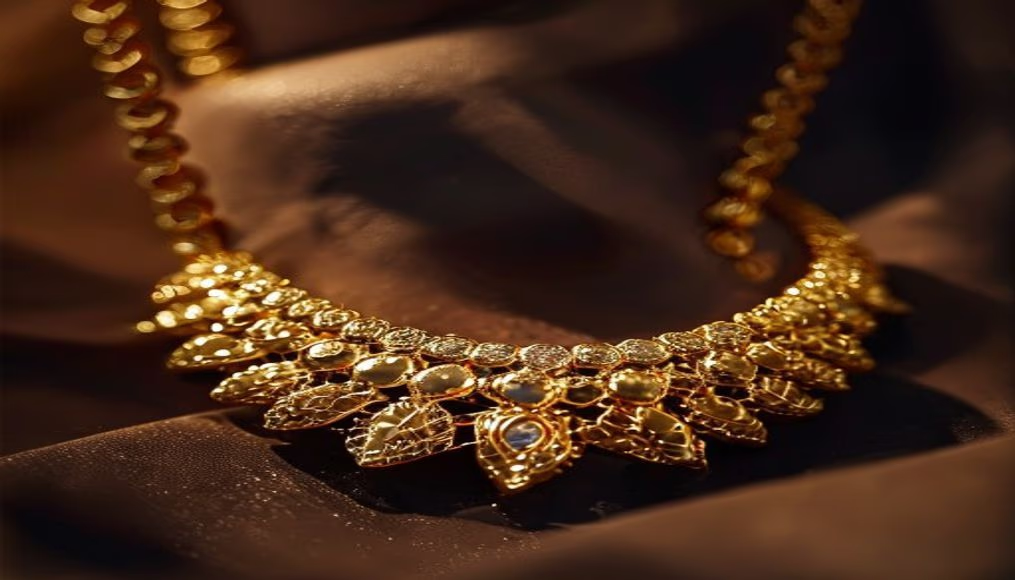
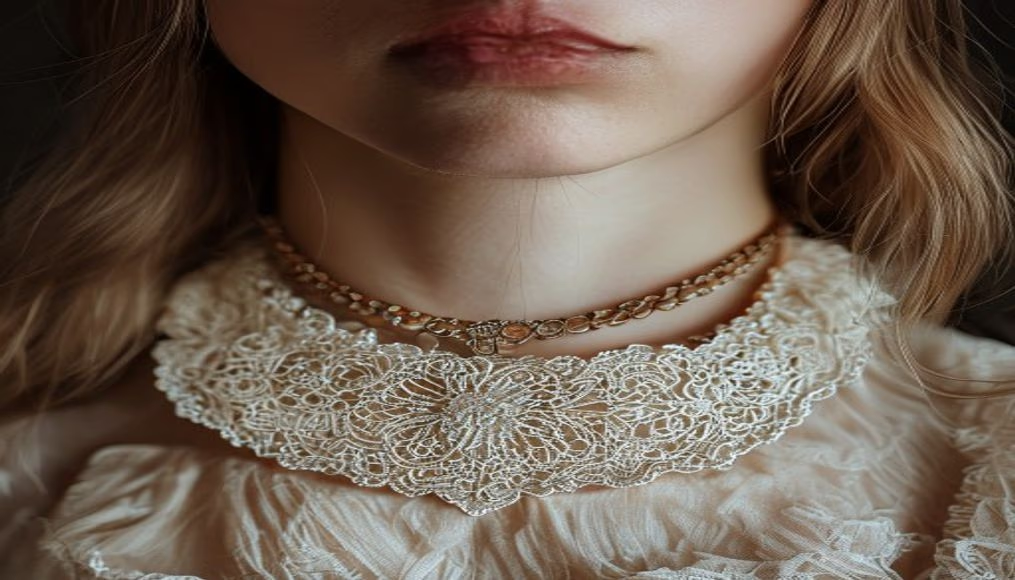
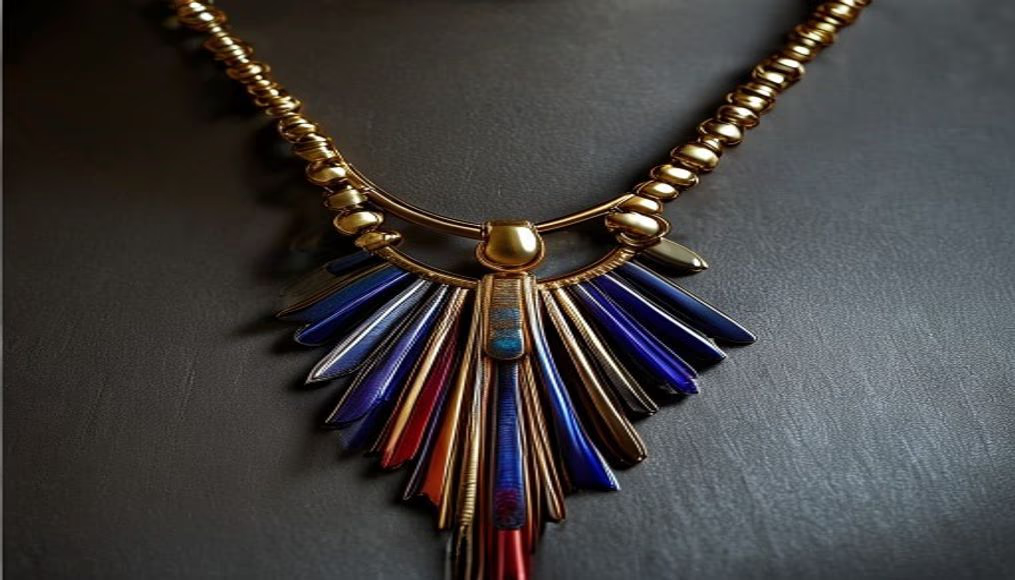
The Graff promise ring with a princess cut diamond combines British luxury and Art Deco aesthetics, featuring geometric faceting and timeless design.
About this subject
Graff, the British jeweler founded by Laurence Graff in 1967, is synonymous with exceptional diamonds and high craftsmanship. The promise ring featuring a princess cut diamond represents a sophisticated choice for symbolizing commitment. Unlike the traditional engagement ring, the promise ring is often used as a prelude to a more formal future commitment, popular among younger couples or as a token of serious intention.
The princess cut, introduced in the 1980s by diamond cutter Betzalel Ambar, is the second most popular diamond cut after the brilliant cut. Its square shape with sharp corners and step-cut facets maximizes brilliance and clarity, ideal for settings like this Graff ring. The Art Deco aesthetic, which influenced jewelry design in the 1920s and 1930s, values geometric lines, symmetry, and contrast. In this ring, a platinum or white gold setting enhances the central diamond, while linear details evoke the architecture and fashion of the era.
Graff is known for acquiring rare rough diamonds, such as the 603-carat Lesotho Promise, and transforming them into iconic pieces. The promise ring with a princess cut reflects this tradition of excellence: the diamond is cut to ideal proportions, with up to 76 facets in modern princess cuts. The jewel is often accompanied by GIA or IGI certification, guaranteeing the stone's quality. In the luxury market, rings like this are seen as investments, as high-quality diamonds tend to retain or increase in value over time.
The Art Deco style remains relevant in contemporary jewelry, reinterpreted by brands like Graff. The combination of a princess cut diamond with a setting of straight lines and vintage elegance appeals to collectors and engaged couples seeking something beyond the classic solitaire. This specific model, with its refined aesthetic, exemplifies how early 20th century design heritage still inspires modern luxury creations.
Frequently Asked Questions
What distinguishes the princess cut from other diamond cuts?
The princess cut has a square or rectangular shape with sharp corners and step-cut facets, providing high brilliance and fire. It maximizes rough diamond yield and offers a modern, geometric look, ideal for commitment and engagement rings.
Why is the Art Deco aesthetic significant in jewelry like this Graff ring?
The Art Deco aesthetic, popular in the 1920s and 1930s, values straight lines, symmetry, and striking contrasts. In jewelry, it translates into geometric and elegant designs that transcend trends, often revisited by luxury brands like Graff to create timeless pieces.
How can one authenticate a Graff promise ring?
Genuine Graff rings feature brand engravings, precious metal hallmarks (such as platinum or 18k gold), and diamond certification from labs like GIA or IGI. Purchases should be made at official boutiques or authorized retailers to ensure provenance and quality.
Direct URL
https://pub-c7d6a6ea828543ac903a74a341ccb2e1.r2.dev/imagens/graff-promise-ring-princess-cut-art-deco-aesthetic-luxo1.avifHow to credit
Include a visible link back to UtilizAí. Copy one of the snippets below:
<a href="https://xn--utiliza-eza.com/en/midia/imagens/graff-promise-ring-princess-cut-art-deco-aesthetic-luxo1">Graff promise ring princess cut</a> by <a href="https://xn--utiliza-eza.com">UtilizAí</a>, licensed under <a href="https://creativecommons.org/licenses/by/4.0/">CC BY 4.0</a>.
[Graff promise ring princess cut](https://xn--utiliza-eza.com/en/midia/imagens/graff-promise-ring-princess-cut-art-deco-aesthetic-luxo1) by [UtilizAí](https://xn--utiliza-eza.com), CC BY 4.0
License: CC-BY-4.0